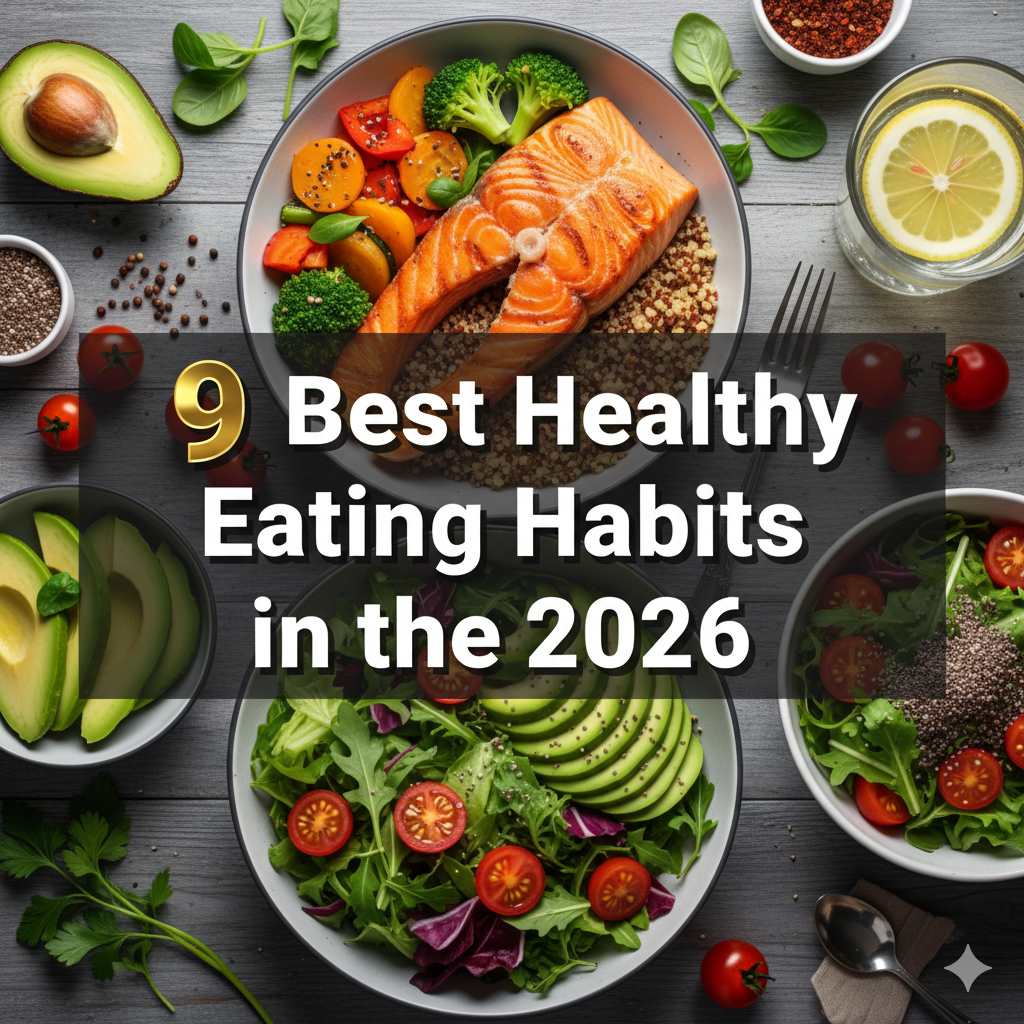
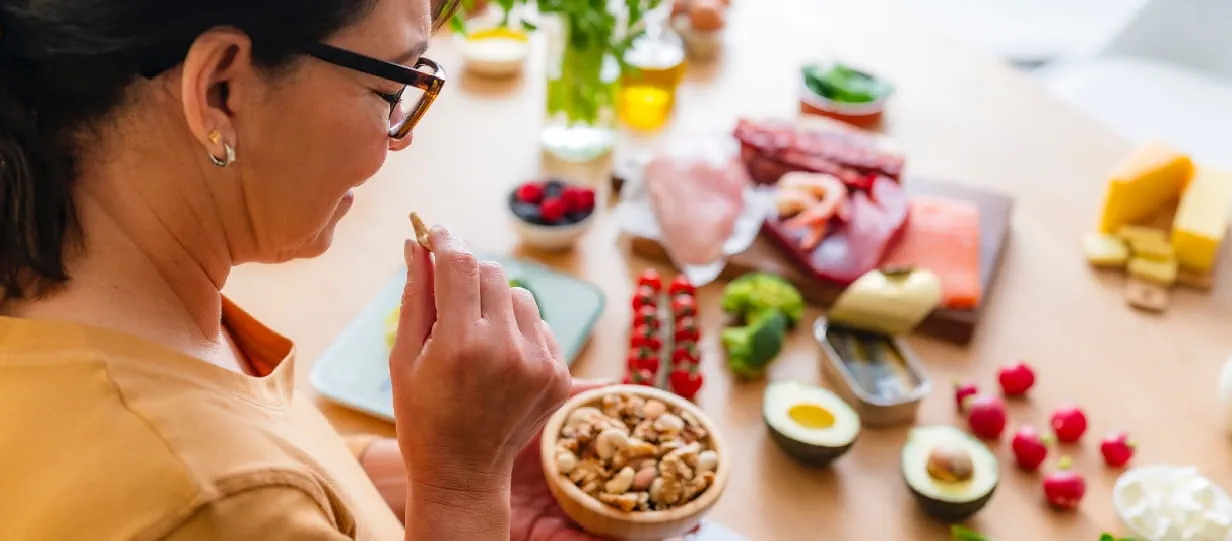
In the whirlwind of modern life, where convenience often trumps nutrition, the arrival of the 2026 Health Guide and its updates to the Dietary Guidelines for Americans feels like a much-needed reset button. Released just a couple of months ago in January, these guidelines cut through the noise with one straightforward message: eat real food. No more dancing around the issue of ultra-processed junk that fills our grocery aisles and contributes to the chronic health problems plaguing so many of us. The experts behind this update have zeroed in on nutrient-dense choices that support everything from steady energy levels to better gut balance and long-term vitality. It’s not about strict diets or counting every calorie down to the last gram. Instead, it’s practical advice that fits into busy schedules without requiring a complete lifestyle overhaul.
What stands out most in these 2026 updates is the emphasis on ditching highly processed foods packed with refined carbs, added sugars, excess sodium, and weird chemical additives. In their place, we’re encouraged to build meals around whole proteins, full-fat dairy without the sugary extras, plenty of vegetables and fruits in their natural forms, healthy fats, and whole grains. Protein gets a bigger spotlight than ever, with recommendations to hit 1.2 to 1.6 grams per kilogram of body weight daily, spread across meals. There’s even fresh attention on gut health, recognizing how the trillions of microbes in our digestive system thrive on fiber, fermented items, and real produce rather than factory-made snacks. This isn’t revolutionary in the sense of some fad from social media influencers, but it’s a solid, evidence-backed shift that acknowledges how our food system has gone off track and how simple swaps can steer us back.
Clean eating, at its core, has always been about returning to basics, but these guidelines make it easier and more approachable than past versions. They acknowledge that not everyone has time for elaborate farm-to-table meals every night, which is why the tips focus on easy, everyday changes. Whether you’re dealing with family dinners, work lunches, or those inevitable snack attacks, the strategies here are designed to build habits that stick without feeling restrictive. Over the next pages, I’ll break down ten straightforward tips pulled directly from the spirit of the 2026 Health Guide. Each one includes why it works based on the latest thinking, plus real-world ways to make it happen. No fancy equipment or exotic ingredients required—just small adjustments that add up to bigger results in energy, mood, and overall wellness. Let’s dive in and see how these can fit into your routine.
Tip 1: Start swapping processed staples for whole-food alternatives right in your pantry. The 2026 updates hammer home the point that highly processed foods are a major culprit in the rise of diet-related issues, and one of the simplest ways to counter that is by rethinking what’s sitting on your shelves at home. Think about it: that box of sugary cereal or those flavored yogurt cups with added syrups might seem harmless for a quick breakfast, but they often deliver a spike in blood sugar followed by a crash that leaves you reaching for more. Instead, the guidelines push for whole versions that retain their natural nutrients and fiber. This isn’t about going cold turkey on everything packaged—it’s about gradual swaps that feel doable. For instance, replace white bread or instant rice with brown rice, quinoa, or oats that you cook yourself. Those whole grains provide sustained energy and help with digestion in ways refined options never could.
Why does this matter now more than ever? Recent insights in the guide link ultra-processed items to disruptions in our gut microbiome, which in turn affects everything from immunity to mental clarity. By choosing whole alternatives, you’re not just cutting empty calories; you’re giving your body the building blocks it needs for better long-term health. To make it easy, begin with one category at a time. Spend a weekend auditing your pantry and picking three items to upgrade. Grab a bag of whole oats instead of the flavored packets, or stock up on plain nuts and seeds rather than those coated trail mixes loaded with oils and salts. A practical morning example could be overnight oats made with rolled oats, a handful of berries, and a splash of milk—takes two minutes to prep the night before and keeps you full until lunch. If you’re worried about taste, experiment with spices like cinnamon or a dash of vanilla extract from the real bean, not the artificial stuff. Common pitfalls include assuming “natural” labels mean clean; always check for added ingredients you can’t pronounce. Over time, these swaps become second nature, and you’ll notice steadier energy without the mid-afternoon slump. The beauty here is flexibility—the guide doesn’t demand perfection, just progress toward real food that nourishes rather than tricks your body into overeating.
Tip 2: Make protein a non-negotiable part of every single meal, but keep it real and varied. One of the standout updates in the 2026 Health Guide is the call to prioritize high-quality protein at every sitting, aiming for that higher daily target of 1.2 to 1.6 grams per kilogram of your body weight. This isn’t about chugging protein shakes from a tub; it’s about incorporating actual food sources that satisfy hunger and support muscle maintenance, especially as we age. Eggs, poultry, fish, beans, nuts, and even full-fat dairy fit the bill perfectly because they come with built-in nutrients like vitamins and healthy fats. The guidelines stress spreading this out across breakfast, lunch, and dinner to avoid blood sugar roller coasters and keep metabolism humming.
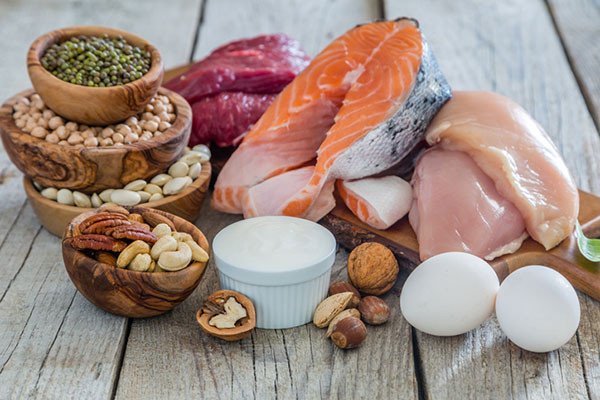
In practice, this tip transforms how you structure plates without adding complexity. Start your day with scrambled eggs mixed with spinach and a side of Greek yogurt instead of skipping breakfast or grabbing a pastry. For lunch, toss grilled chicken or chickpeas into a big salad with whatever veggies are in season. Dinner might feature baked salmon or lentils paired with roasted roots. The reason this works so well according to the new research is that adequate protein helps regulate appetite hormones, making it easier to avoid mindless snacking on processed junk. Plus, in a world where many of us sit at desks for hours, this approach supports steady energy and even better recovery from workouts. Beginners often struggle with portion sizes, so a handy rule of thumb is to fill about a quarter of your plate with a palm-sized serving of protein. If meat isn’t your thing, mix in plant options like tofu or edamame—the guide encourages variety to cover all amino acid bases. One easy recipe to try: a quick stir-fry with ground turkey, broccoli, and garlic in olive oil. It comes together in fifteen minutes and tastes better than any takeout. Watch out for highly processed protein bars or meats with long ingredient lists; stick to items that look like they came from nature. Over weeks, you’ll feel more satisfied after meals, which is one of the most rewarding parts of following these updates.
Tip 3: Don’t shy away from full-fat dairy when it’s unsweetened and in moderation. The shift toward full-fat dairy in the 2026 guidelines surprised some folks at first, but the reasoning holds up when you dig into it. Unlike older advice that pushed low-fat everything, the new guide highlights how full-fat versions—like plain whole milk, cheese, or yogurt without added sugars—provide satiety and important fat-soluble vitamins that help with absorption of other nutrients. The key is avoiding the sweetened varieties that turn a healthy staple into something closer to dessert. This tip aligns beautifully with clean eating because it encourages choosing items closer to their natural state, which means fewer additives and more genuine flavor.

To implement this easily, swap your skim milk for whole in coffee or cereal, or reach for a block of real cheddar instead of processed slices. A simple snack could be apple slices with a wedge of full-fat cheese, which keeps you full longer than a low-fat alternative ever would. The health perks include better hormone balance and even support for heart health when paired with the overall pattern of limiting processed foods. Studies referenced in the updates show that moderate full-fat dairy doesn’t spike cholesterol the way some feared, especially when the rest of your diet is clean. For those watching calories, the guide reminds us that portion awareness is everything—think a small glass or a thumb-sized piece rather than unlimited pours. If dairy isn’t for you due to sensitivities, the principles still apply to alternatives like full-fat coconut yogurt, but always check labels for no added sugars. One family-friendly idea: homemade smoothies with plain kefir, frozen berries, and a handful of spinach. It feels indulgent but sticks to the real-food ethos. The challenge many face is old habits from years of low-fat marketing, but once you taste the difference in creaminess and satisfaction, it’s hard to go back. This small change alone can make clean eating feel less like deprivation and more like an upgrade.
Tip 4: Load up on vegetables and fruits throughout the day in their whole, fresh forms. The 2026 Health Guide doubles down on eating vegetables and fruits multiple times daily, focusing on whole versions rather than juices or heavily sauced canned goods. This isn’t just filler on your plate; these foods deliver fiber, antioxidants, and micronutrients that combat inflammation and support everything from immune function to clearer skin. The updates tie this directly to gut health, noting how diverse produce feeds beneficial bacteria in ways supplements can’t match. Making it easy means aiming for at least half your plate at meals to be colorful produce, but spread it out—add berries to breakfast, a side salad at lunch, and steamed greens with dinner.
Why the emphasis now? With rising awareness of how processed diets disrupt digestion, this tip offers a simple antidote that boosts energy without complicated tracking. Start small if you’re not a big veggie eater: throw handfuls of spinach into smoothies or omelets where they basically disappear taste-wise. Snack on carrot sticks with hummus or an orange after lunch. Seasonal swaps keep things interesting—think summer tomatoes straight from the market or winter squash roasted simply with herbs. Recipes don’t have to be fancy; a basic sheet-pan dinner of mixed veggies, olive oil, and herbs takes minimal effort but yields leftovers for days. The guide points out that whole fruits beat dried or juiced versions because the fiber slows sugar absorption, preventing spikes. Common mistakes include over-relying on the same few options, which limits nutrient variety, so rotate through colors: reds for lycopene, greens for folate, oranges for vitamin C. Hydration ties in here too, as many fruits and veggies contribute to your daily water needs. Over time, this habit crowds out less healthy choices naturally, leading to fewer cravings for sweets. It’s one of those tips that feels effortless once ingrained, and the visible benefits like better digestion make it motivating to stick with.
Tip 5: Switch to whole grains and cut back sharply on refined carbohydrates. Refined grains like white pasta, bread, and rice get called out in the 2026 updates for their role in empty calories and blood sugar instability. In contrast, whole grains retain the bran and germ layers packed with fiber and minerals that promote fullness and steady energy. The guide suggests making them a smaller but focused part of meals—perhaps two to four servings daily depending on your needs—while prioritizing quality over quantity. This clean eating tip is straightforward: look for labels that say “whole” as the first ingredient and experiment with options like barley, farro, or buckwheat that add new textures.
Practically, start by replacing half your usual white rice with brown in stir-fries or use whole-wheat tortillas for wraps. A warming breakfast porridge with steel-cut oats topped with nuts and fruit sets a great tone for the day. The science backing this is clear from the guidelines: higher fiber from these choices supports gut diversity and helps manage weight without feeling restrictive. Many people underestimate how much refined carbs sneak into their day via snacks or sides, so tracking for a week can reveal easy wins. If cooking grains feels time-consuming, batch-prep on weekends and reheat as needed. Flavor them up with olive oil, herbs, or a sprinkle of cheese to make the transition enjoyable. One potential hurdle is texture preferences—whole grains can seem chewier at first—but soaking or pressure-cooking cuts prep time dramatically. Pairing them with proteins and veggies creates balanced meals that keep you satisfied for hours. This tip dovetails perfectly with the overall real-food message, turning what could be a carb-heavy habit into a nutrient powerhouse without eliminating comfort foods entirely.
Tip 6: Dramatically reduce added sugars by choosing naturally sweet options instead. Added sugars take a harder hit in the 2026 guidelines, with stricter calls to keep them minimal—no more than about 10 grams per meal in some contexts—and to avoid them entirely in things like dairy. This aligns with clean eating by encouraging fruits for sweetness and reading labels to spot hidden sources in sauces, dressings, and snacks. The update recognizes that excess sugar fuels inflammation and energy crashes, so swapping it out is one of the highest-impact changes you can make.
Easy ways to start include using fresh or frozen berries to sweeten oatmeal instead of syrup, or opting for plain yogurt with a drizzle of honey (sparingly) rather than flavored tubs. Check condiments too—many barbecue sauces or salad dressings pack more sugar than a candy bar. A satisfying dessert alternative could be baked apples with cinnamon and a handful of walnuts. The benefits extend beyond weight; the guide links lower sugar intake to better mood stability and reduced risk of chronic conditions. Beginners might feel deprived initially, but taste buds adapt within a couple of weeks, making natural sweetness pop more. One trick is to halve the sugar in any recipe you adapt and build from there. Watch for sneaky names like maltose or corn syrup on ingredients lists. For social situations, bring your own fruit-based contribution to gatherings so you control the options. This tip feels transformative because it doesn’t ban sweets outright—it redirects them toward whole sources that come with fiber and nutrients. You’ll likely notice fewer afternoon slumps and better sleep as a bonus.
Tip 7: Incorporate healthy fats from natural sources like avocados, nuts, and olive oil. Healthy fats get a positive nod in the 2026 Health Guide, especially when they come from whole foods rather than processed oils or spreads. These fats help absorb vitamins, keep you full, and support brain and hormone health without the downsides of refined versions. Think avocados on toast, a handful of almonds as a snack, or extra-virgin olive oil drizzled over salads. The key is moderation and quality to fit the clean profile.
To make it practical, add a slice of avocado to your morning eggs or use olive oil for cooking instead of butter alternatives. A simple lunch upgrade: tuna mixed with olive oil and herbs instead of mayo from a jar. Research in the guidelines shows these choices reduce inflammation when they replace processed fats. People new to this often fear weight gain, but the satiety factor actually helps control portions overall. Experiment with seeds like chia or flax in smoothies for an omega boost. Avoid deep-fried items or anything with “partially hydrogenated” on the label. One easy recipe is homemade trail mix with raw nuts, seeds, and dark chocolate chunks—way better than store-bought. This tip enhances flavor in meals, making clean eating more enjoyable long-term. Pair it with the protein and produce focus for plates that feel complete and satisfying.
Tip 8: Support your gut microbiome every day with fiber, fermented foods, and variety. For the first time, the 2026 updates explicitly mention gut health, urging foods that promote a balanced microbiome through high-fiber produce, fermented items like sauerkraut or kefir, and diverse eating patterns. This is clean eating at its most foundational because a healthy gut influences immunity, mood, and even weight regulation. Aim for 25 to 30 grams of fiber daily from whole sources, gradually increasing to avoid discomfort.
Simple habits include adding a serving of fermented veggies to lunch or sipping on kombucha occasionally. High-fiber meals might feature beans in chili or berries in snacks. The guide explains how processed foods disrupt this balance, so prioritizing real options restores it naturally. Start slow if your current diet is low-fiber—maybe one extra vegetable serving daily. Recipes like a yogurt parfait with kefir, chia seeds, and fruit make it tasty. Challenges include bloating during transitions, solved by more water and movement. Variety is crucial; don’t stick to the same five foods. Over months, better digestion and fewer cravings become noticeable rewards. This tip ties everything together, amplifying the benefits of the other changes.
Tip 9: Get savvy about reading labels to avoid hidden processed traps. The guidelines stress dodging highly processed packaged foods, and label reading is your best tool for that in clean eating. Look beyond front claims to the ingredients list—short, recognizable words are ideal. Check for added sugars, sodium, and oils you don’t want. This tip empowers shopping trips and prevents sneaky intakes that undermine efforts.
Practice by spending extra minutes in the store comparing options. For example, choose canned beans with just beans and water over those with sauces. Apps can help scan quickly, but the habit builds intuition fast. The 2026 updates highlight how these hidden elements contribute to overeating, so awareness is key. Common errors include assuming “low-fat” or “organic” means clean—always verify. Over time, you’ll default to fresh sections. Pair this with meal planning to reduce impulse buys. It’s a skill that makes the whole approach sustainable without constant willpower.
Tip 10: Build simple meal prep routines and practice mindful eating to make clean choices automatic. Wrapping up the guide’s practical side, the 2026 updates encourage portion awareness, hydration with water, and planning ahead to sustain real-food habits. Mindful eating—paying attention to hunger cues without distractions—helps prevent overconsumption. Batch-cook proteins and veggies on weekends for grab-and-go options.
Examples include prepping salads in jars or roasting a tray of chicken and roots. Drink water before meals to aid fullness. The benefits include consistent energy and fewer stress-driven snacks. Start with one prep session weekly and build. Challenges like time shortages are fixed by simple recipes. This tip cements the others, turning clean eating into a lifestyle rather than a chore. You’ll feel more in control and notice cumulative health gains.
Wrapping everything together, these ten tips from the 2026 Health Guide aren’t about perfection or overnight transformations. They’re realistic stepping stones that honor how life actually works—busy, imperfect, and full of real demands. By focusing on whole foods, smart swaps, and listening to your body, you’re aligning with the latest science that shows dramatic reductions in processed items can shift health trajectories for the better. Start with whichever tip resonates most, track how you feel after a couple of weeks, and adjust as needed. The updates remind us that food is foundation, not fad. Small, consistent steps lead to lasting vitality, better moods, and fewer doctor visits down the line. Give yourself grace along the way; progress over pressure is the real key. Here’s to feeling nourished and energized in 2026 and beyond—your body will thank you for it.