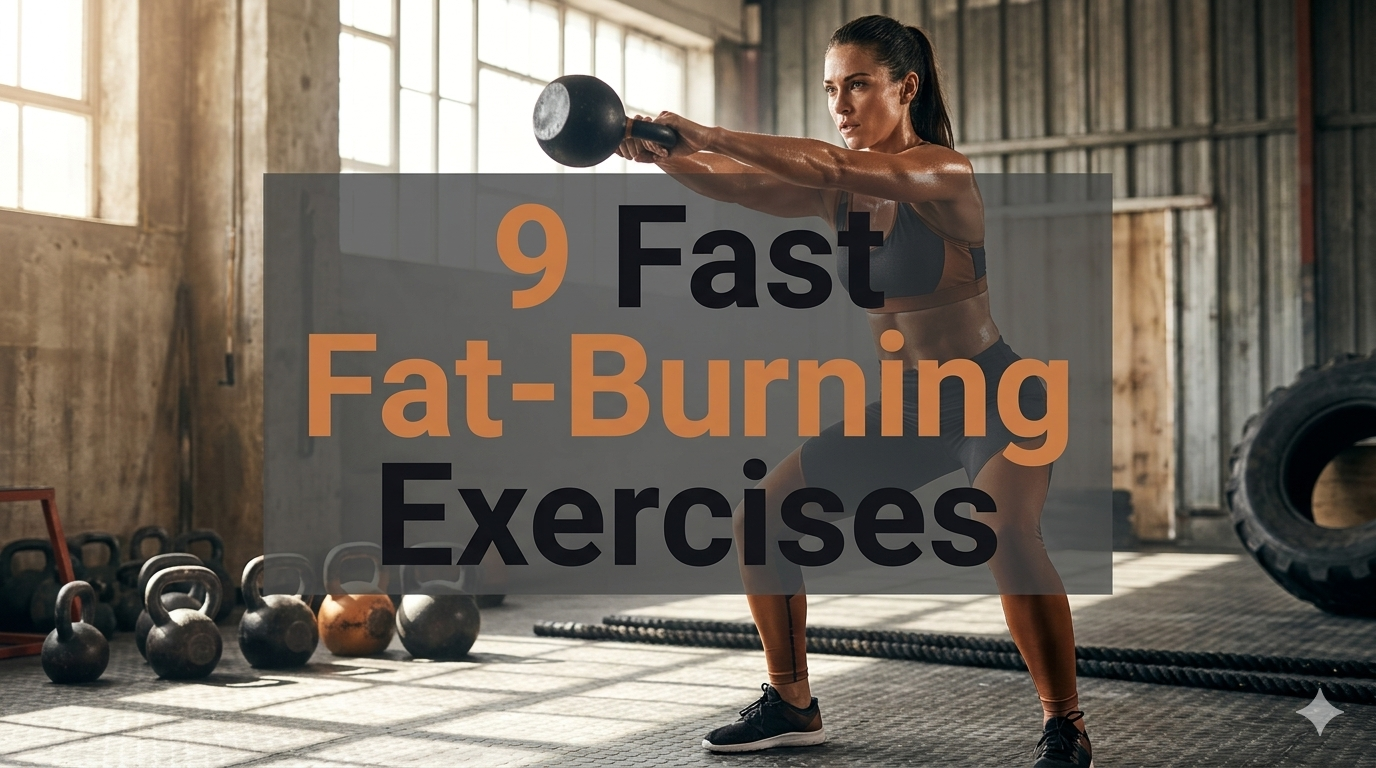

You don’t need fancy equipment or a personal trainer to get stronger. Whether you’re new to fitness or returning to training, strength work is one of the best things you can do for your body. It builds muscle, strengthens bones, improves your mood and even makes you sleep better.
But many people still think of it as confusing or intimidating. Where do you start? How often should you train? What should you eat?
This 2026 health guide explains it all for you — clearly, simply and practically. Here are 10 simple strength training tips that work.
The Importance of Strength Training in 2026
The fitness world has changed. In 2026, health experts are emphasizing functional strength — the ability to move better in daily life — as opposed to simply lifting heavy things for the sake of doing so.
Research shows that those who do strength training two or more times a week have lower risks of heart disease, type 2 diabetes and depression. Even teens benefit tremendously from resistance training if done safely.
The good news? You don’t need to spend hours in the gym. Even 20–30 minutes, a couple of times a week, can really matter.
Tip 1 — Begin With Your Bodyweight Before You Pick Up Weights
Your Own Body Is the Best Initial Barbell
Don’t lift a dumbbell until you can control your own bodyweight. Exercises such as squats, push-ups, lunges and planks develop real, functional strength. They also establish proper movement patterns for your body that protect you from injury down the road.
The common mistake is when beginners run to the weight rack too fast. Then they get hurt. Then they quit.
Don’t make that mistake.
For your first two to four weeks, perform only bodyweight workouts. Master the basics. When a squat feels effortless, it’s time to add resistance.
Beginner Bodyweight Starter Routine:
| Exercise | Sets | Reps |
|---|---|---|
| Bodyweight Squat | 3 | 12–15 |
| Push-Up (or Knee Push-Up) | 3 | 8–12 |
| Glute Bridge | 3 | 12 |
| Plank Hold | 3 | 20–30 sec |
| Reverse Lunge | 3 | 10 each leg |
Tip 2 — Create a Simple Weekly Routine and Follow It

Consistency Always Wins Over Perfection
You do not need to train six days a week. That is a myth — and for most beginners, a recipe for burnout.
In 2026, fitness coaches and sports scientists say there’s one rule everyone can agree on: be consistent over being intense. Most people starting out do just fine three days a week.
Try this simple structure:
- Day 1 — Upper body (push: chest, shoulders and triceps)
- Day 2 — Lower body (legs and glutes)
- Day 3 — Pull routine (back and biceps) + core
Take at least one day off between sessions. Your muscles don’t grow in the course of the workout — they grow as you rest.
Schedule your workouts like appointments in your calendar. Treat them as non-negotiable. Just this one shift in mindset can help you triple your long-term results.
Tip 3 — Master the Big Five Movements
Five Exercises Do Almost Everything
Forget trying to memorize 50 different exercises — aim to master five core movements. These work almost every muscle in your body.
- Squat — Works legs, glutes and core
- Hinge (similar to a deadlift) — Works hamstrings, glutes and lower back
- Push (as in a push-up or bench press) — Targets chest, shoulders and triceps
- Pull (as in a row or pull-up) — Works the back and biceps
- Carry (like a farmer’s walk) — Improves grip strength, core stability and total-body stability
You can center your workouts on these five. When you feel comfortable, introduce more variety later. Simplicity at the beginning allows you to do the actual work — and achieve results.
Tip 4 — Use Progressive Overload as Your Secret Weapon
Muscles Grow When You Progressively Do More
This might be the most important principle in all of strength training. It’s a concept called progressive overload — and it just means doing a bit more over time.
That could mean:
- Adding 2.5 lbs to your squat every week
- One extra rep than the previous workout
- Taking 10 seconds less time between sets
Your muscles adapt quickly. When you always do the same workout, your body gets accustomed to it and stops responding. It needs you to keep pushing things further.
Log your workouts in a notebook or a free app. Jot down what weight and repetitions you completed. Try to beat it next session, by a tiny margin.
Every small win compounds over months to yield a big outcome.
4-Week Example of Progressive Overload:
| Week | Exercise | Weight | Reps |
|---|---|---|---|
| Week 1 | Goblet Squat | 20 lbs | 10 |
| Week 2 | Goblet Squat | 22.5 lbs | 10 |
| Week 3 | Goblet Squat | 25 lbs | 10 |
| Week 4 | Goblet Squat | 25 lbs | 12 |
Tip 5 — Eat Enough Protein to Build Muscle

Food Is Fuel — And Protein Is the Builder
You can train hard every day. But not consuming enough protein means your muscles won’t grow. It’s that simple.
It’s protein that your body uses to repair and build muscle tissue after you exercise. For more on how nutrition supports your fitness goals, check out Health Benefits 2026 — a great resource covering diet, wellness and strength training advice.
As of 2026, the advice from nutrition experts is:
Aim for 0.7 to 1 gram of protein per pound of bodyweight each day.
So if you weigh 150 pounds, aim for between 105 and 150 grams of protein a day.
High-Protein Food Sources:
| Food | Protein Per Serving |
|---|---|
| Chicken breast (4 oz) | ~35g |
| Greek yogurt (1 cup) | 17–20g |
| Eggs (2 large) | 12g |
| Canned tuna (3 oz) | 22g |
| Lentils (1 cup cooked) | ~18g |
| Cottage cheese (½ cup) | ~14g |
| Tofu (½ cup) | ~10g |
You don’t need expensive supplements. Whole food sources are just as effective — and you get additional nutrients too.
Tip 6 — Warm Up Properly (And Follow Through With It)
Five Minutes of Preparation Saves Weeks of Pain
A good warm-up is not just some jumping jacks for 30 seconds. It readies your joints, increases your body temperature and sends blood to the muscles you’re about to use.
The fastest route to getting injured and out of the gym for weeks? Skipping your warm-up.
A simple 5-minute warm-up routine:
- 2 minutes — Light cardio (jogging in place, jump rope or brisk walk)
- 1 minute — Hip circles and arm swings
- 1 minute — Bodyweight squats (with control)
- 1 minute — Band pull-aparts or shoulder rolls
Then for each exercise in your workout, perform one light “warm-up set” with less weight before entering your working sets. This awakens your nervous system and reinforces good form.
Tip 7 — Recovery and Rest Are Not Optional
Sleep Is When the Real Work Gets Done
This tip is the one that most people overlook — and it also happens to be the one that costs them the most progress.
Muscles do not grow inside the gym. They grow when you rest. Sleep is when you release growth hormone, repair muscle tissue and restore energy.
Recovery guidelines for strength training:
- Sleep: 7–9 hours per night
- Rest days: At least 1–2 full rest days per week
- Active recovery: Light walking, stretching or yoga on off days
- Hydration: Drink at least half your bodyweight in ounces of water daily
For this reason, sleep tracking wearables have become super popular in 2026. Even simple free apps can help you monitor your sleep quality.
If you’re always tired, always sore and not making progress — you’re probably underrecovering, not undertraining.
Tip 8 — Focus on Form Over Everything Else
One Rep Done Right Is Worth Ten Done Wrong
Bad form is dangerous. It puts stress on the wrong joints. It causes injuries that sideline you for months. And it means the target muscle isn’t even working properly.
Good form, on the other hand, means every rep counts. It keeps you safe. And it builds the kind of strength that transfers to real life.
How to check your form:
- Record yourself from the side with your phone
- Compare your movement to a trusted video from a certified trainer
- Ask a gym employee or trainer for a quick form check
- Move slower — slow reps expose form problems immediately
If you can’t do a movement correctly with good form, reduce the weight. There’s no shame in that. In fact, it’s the smart thing to do.
A good rule of thumb: if your form breaks down, the set is over.
Tip 9 — Track Your Progress Beyond Just the Scale
The Scale Lies — Here’s What to Measure Instead
One of the most discouraging things for new strength trainers is stepping on the scale and not seeing the number drop. But here’s the truth: the scale is a terrible measure of fitness progress.
Muscle is denser than fat. You could be building muscle and losing fat simultaneously — and looking and feeling better — with the scale not budging.
According to the American Council on Exercise, tracking multiple metrics gives you a far more accurate and motivating picture of your progress than weight alone.
Better ways to track your progress:
| Metric | How to Track |
|---|---|
| Strength gains | Write down weights and reps in a notebook or app |
| Body measurements | Measure waist, hips, arms, chest each month |
| Progress photos | Take front/side photos every four weeks |
| Energy levels | Rate your daily energy on a 1–10 scale |
| Clothes fit | Pay attention to how your jeans or shirts fit |
| Performance | More reps? Running faster? |
Celebrate the non-scale victories. They’re just as real — and often even more meaningful.
Tip 10 — Practice Patience and Believe in the Process
Real Results Take Real Time — And That’s a Good Thing
In a world of 30-day challenges and overnight transformation ads, patience seems out of fashion. Yet it is the most vital attribute any strength trainee can have.
Here is a realistic timeline for beginners:
- Weeks 1–4: Your nervous system adjusts. You’ll feel stronger, but won’t look different yet.
- Weeks 4–8: You begin to notice subtle differences in how you feel and move.
- Months 3–6: The real visible changes come. Clothes fit differently. You feel genuinely stronger.
- 6–12 months: By now you are radically different physically and in how you feel about yourself.
This is the real timeline. Not 30 days. Not 6 weeks. Months.
The ones who get the best results aren’t the ones who initially train hardest. They’re the ones who persist when motivation wanes — because they’ve established a habit.
Show up. Do the work. Trust the process.
10 Tips — At a Glance
| # | Tip | Why It Matters |
|---|---|---|
| 1 | Start with bodyweight | Lays a foundation, prevents injury |
| 2 | Follow a weekly schedule | Consistency drives all results |
| 3 | Learn the Big Five movements | Covers every muscle group efficiently |
| 4 | Apply progressive overload | Pushes your muscles to keep growing |
| 5 | Eat enough protein | Muscles need protein to grow and repair |
| 6 | Warm up properly | Prevents injury, improves performance |
| 7 | Prioritize rest and recovery | Sleep is where the real growth happens |
| 8 | Perfect your form | Safe and effective reps every time |
| 9 | Track beyond the scale | Gives a true picture of your progress |
| 10 | Stay patient | Long-term consistency wins every time |
7 Common Strength Training Mistakes to Avoid
Many newcomers fall into the same traps despite good intentions. Here are a few to keep an eye on:
Doing too much too soon — More is not always better. Starting at five workouts weekly before your body adjusts leads to burnout and injury.
Skipping leg day — Legs are 50% of your body. Strong legs enhance posture, athletic performance and metabolism. Don’t neglect them.
Not sleeping enough — Scrolling until 1 AM ruins your gains. Seriously.
Comparing yourself to others — Everyone started somewhere. Focus on your own progress.
Not eating enough — Not consuming enough calories suppresses muscle growth. You need fuel to build.
Strength Training Myths Busted in 2026
There’s still plenty of bad information out there. Let’s clear a few things up:
Myth: Weight training makes women bulky. Truth: Building big muscles takes years of very specific training and eating. With most women, strength training simply creates a leaner and more toned appearance.
Myth: If you’re not sore, it didn’t work. Truth: Soreness is not a reliable indicator of a good workout. As you become fitter, you won’t be as sore — but you’ll still continue to progress.
Myth: Cardio burns more fat than weightlifting. Truth: Lifting weights revs up your metabolism for hours after leaving the gym, so you burn more fat overall.
Myth: Older adults should not lift weights. Truth: Strength training is one of the most recommended activities for older adults. It wards off muscle loss, bolsters bone density and lowers the risk of falls.
FAQs — Strength Training Tips 2026
Q: How many days per week should I do strength training? A: Two to three days per week is best for beginners. This allows your muscles enough time to recover between sessions while you still make steady gains.
Q: Is it possible to build muscle without going to the gym? A: Absolutely. Bodyweight exercises, resistance bands and a single pair of dumbbells at home are more than enough to develop real strength — especially in the first year of training.
Q: How long until I see results with strength training? A: You’ll start feeling stronger in two to four weeks. Physical changes usually start to show between months two and three, depending on consistency and what you eat.
Q: Do I need protein supplements to build muscle? A: No. Whole food sources such as chicken, eggs, lentils, Greek yogurt and fish can easily meet your protein needs. Supplements are convenient, but not required.
Q: Is strength training safe for teenagers? A: Yes, when done correctly. Teenagers can safely benefit from bodyweight training and light resistance work. Maximal heavy lifting should be deferred until growth plates have developed.
Q: What is proper pre-workout nutrition for strength training? A: A carbohydrate-rich meal with moderate protein 60 to 90 minutes before training works well. Examples include a banana with peanut butter, oatmeal with berries or a small turkey sandwich.
Q: Is it OK to do cardio and strength training on the same day? A: Yes — but do your strength work first. Fatigued muscles from cardio can detract from your lifting form and reduce the quality of your strength workout.
Q: What if I miss a workout? A: Don’t stress. Skipping one session won’t undo your progress. Just get back on schedule the following day. What actually hurts progress is missing weeks, not days.
Putting It All Together — Your Strongest Year Starts Now
Strength training doesn’t need to be complicated. It doesn’t involve paying through the nose for gym memberships, celebrity trainers or complicated programs. It only takes you to begin — and then never stop.
This 2026 health guide gives you everything you need with these 10 strength training tips to build a strong and healthy body, step by step. Start with the basics. Master your form. Eat enough protein. Sleep well. And trust that the process works — because it does.
Every strong person you have ever admired was once a complete beginner who simply made the decision to start.
Remember: Always consult with a healthcare provider before starting a new fitness program, especially if you have any pre-existing health conditions.