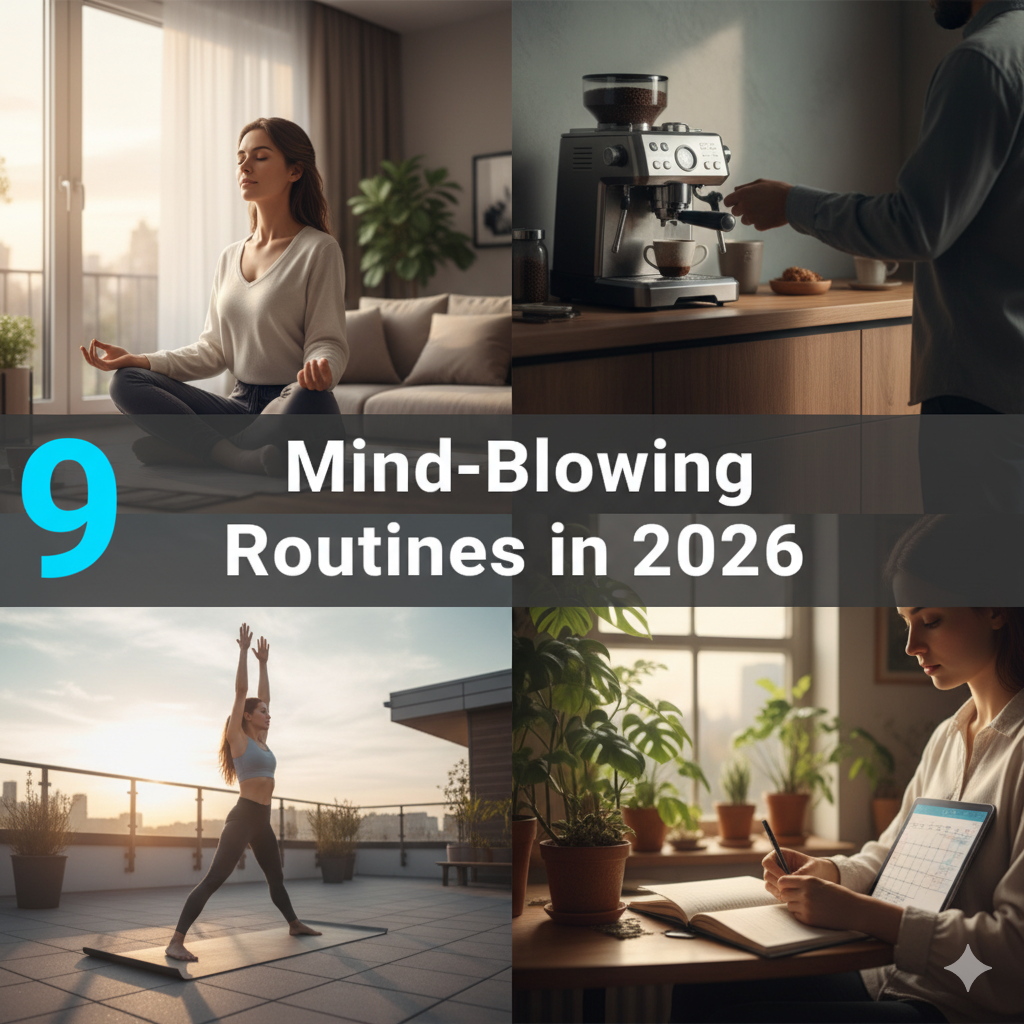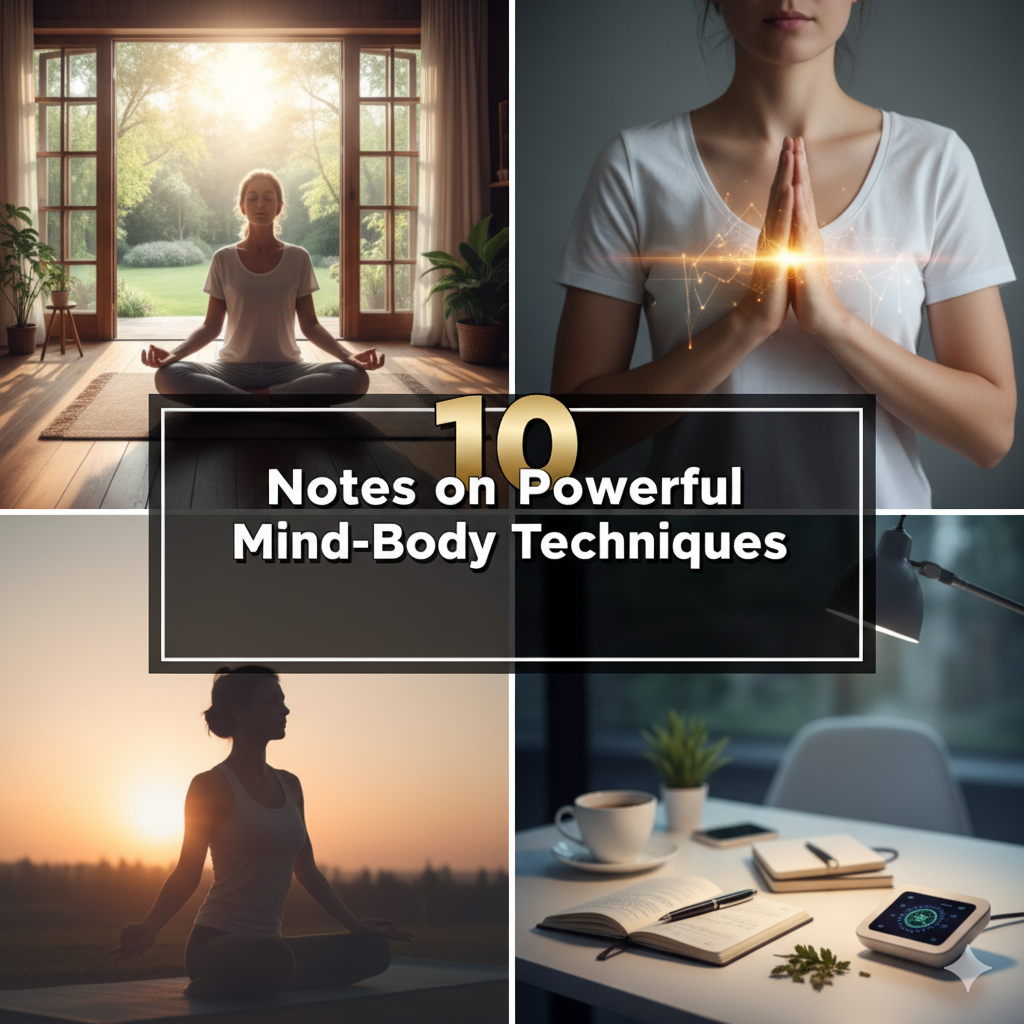
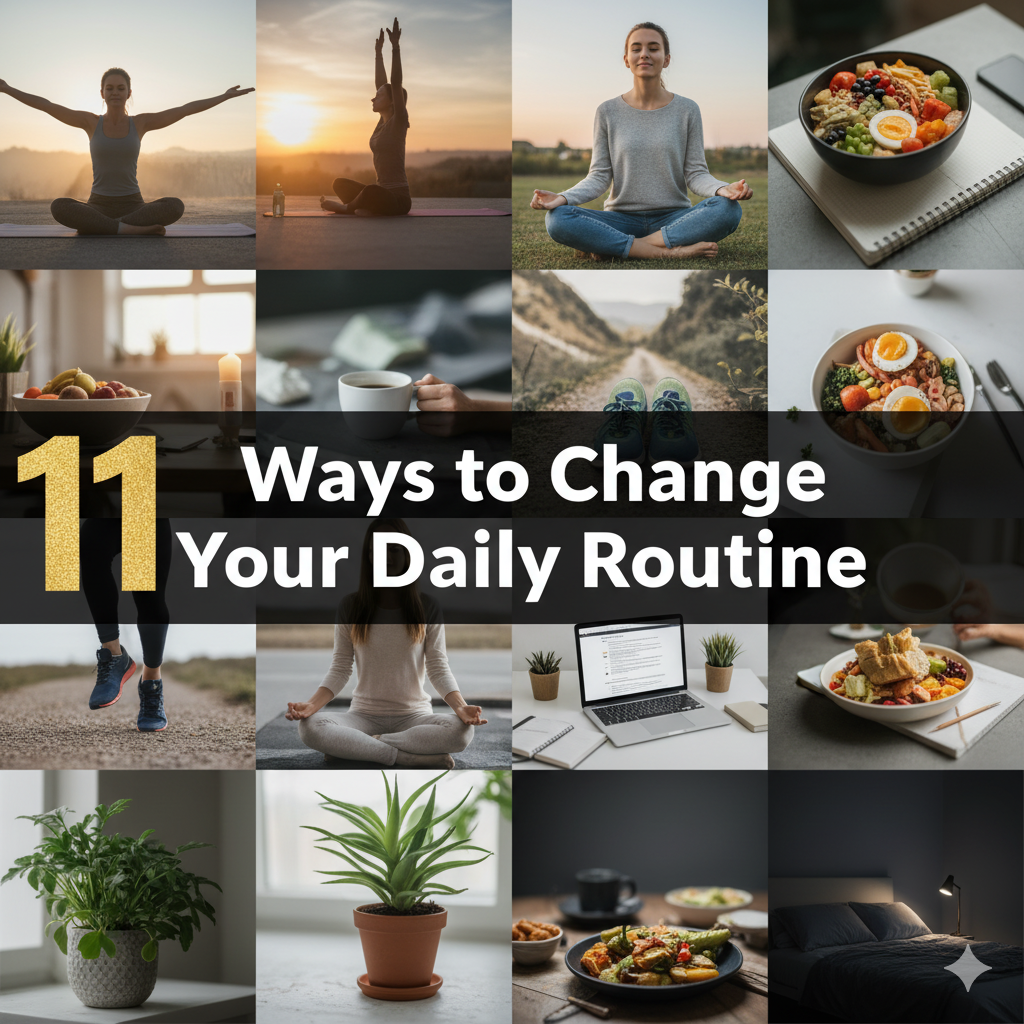
Simple hacks of science-backed habits to improve your energy, sleep and long-term wellness.
We’re drowning in health advice. But the majority of people are still tired, stressed and mired in old habits. Why? Because the advice is impractically complex, way too expensive or simply unfair.
The 2026 Health Guide eliminates that.
This guide centers around small, actionable changes — not complete lifestyle makeovers. These are changes that real humans can enact right now. They’re supported by recent science, vetted by wellness experts and simple enough to actually implement.
Ready to feel better, think clearer and live stronger? Let’s get into it.
Tip #1: Use ‘Habit Stacking’ to Start Your Morning
Most of us reach for our phones the instant we wake up. That one habit establishes the tone for a scattered, reactive day.
Habit stacking is different. It means tying a new healthy behavior to an existing one.
Example: Immediately after brushing teeth → drink a full glass of water → do 5 deep breaths.
Three healthy habits in less than three minutes. No willpower required.
Why It Works
Your brain loves patterns. A new habit becomes less mentally taxing when you tie it to what you’re already doing. Over time, it becomes automatic.
The 2026 Health Guide advises creating a “morning stack” of three or more micro-habits you can engage in within the first 20 minutes after waking up.
Pro Tip: Write your stack on a sticky note and hang it over your bathroom mirror for the first two weeks.
Tweak #2: The 90-Minute Sleep Cycle Rule

Everyone knows sleep matters. But how you sleep matters just as much as how long you sleep.
Sleep comes in cycles of about 90 minutes. If you wake up in the middle of a cycle, you’ll feel groggy and out of it. Waking up at the end of a cycle feels completely natural and recuperating.
How to Use This
If you need to wake up at 6:30 AM, work back in 90-minute blocks:
| Bedtime | Sleep Cycles Completed | Wake-Up Feel |
|---|---|---|
| 5:00 AM | 1 cycle | Very groggy |
| 3:30 AM | 2 cycles | Still tired |
| 2:00 AM | 3 cycles | Moderate |
| 12:30 AM | 4 cycles | Pretty good |
| 11:00 PM | 5 cycles | Refreshed ✓ |
| 9:30 PM | 6 cycles | Very refreshed ✓ |
Aim for 5–6 full cycles. That’s 7.5 to 9 hours for most adults.
Apps like Sleep Cycle can also track your sleep phases and awaken you at the best time in a 30-minute window.
Tweak #3: Eat With the Sun — Circadian Eating
Your body has an inner clock called the circadian rhythm. The clock affects digestion, hormones, and even fat burning. Eating with the sun means eating when it’s light outside.
The Simple Rule
- Eat your biggest meal before 3 PM
- Stop eating 2–3 hours before sleep
- Maintain a consistent eating window of 8–10 hours
This isn’t a scheduled diet — it’s a timing approach.
Studies from 2024 and 2025 demonstrate that early eaters control their blood sugar, inflammation and energy even better, without changing their food.
Sample Circadian Eating Window
| Time | Meal |
|---|---|
| 7:30 AM | Breakfast — biggest meal |
| 12:30 PM | Lunch |
| 5:30 PM | Dinner — light |
| 8:00 PM | Kitchen closed |
Tweak #4: Your 2-Minute Movement Reset

A sedentary lifestyle has been dubbed “the new smoking.” It slows blood circulation, tightens muscles and drains mental focus.
You can fix this without a gym.
The 2026 Health Guide advocates for what experts refer to as the 2-Minute Movement Reset — a two-minute pause every hour to stand up and move.
What Counts as Movement?
- Going to the kitchen and coming back
- 10 bodyweight squats
- Arm circles and neck rolls
- Walking up a floor
- Standing and stretching your hamstrings
Set a timer on your phone. Rise after every 60 minutes and move for approximately 120 seconds. That’s it.
That’s 16 minutes of new movement added during an 8-hour workday. Small? Yes. Powerful? Absolutely.
Tweak #5: Cold Water Exposure — Done the Right Way
Cold showers have gone viral. But the internet is not good at showing you how to do them right.
When done right, cold water exposure releases norepinephrine — a brain chemical associated with focus, mood and alertness. It can also alleviate muscle soreness and enhance circulation.
The Beginner-Friendly Method
You don’t have to plunge into an ice bath. Start small:
- Take your normal warm shower
- Turn to cool water for the last 30 seconds
- Make it cold for 30 seconds after one week
- Work up to 2–3 minutes of cold at the end
Best timing: Morning, not night. Cold exposure activates your nervous system — a good thing in the morning, not when you’re winding down.
Note: If you have heart conditions or blood pressure issues, skip this. Always consult a physician first.
Tweak #6: Digital Sunset — Shielding Your Brain After Dark
Blue light emitted by screens fools your brain into believing it’s still daytime. This inhibits the production of melatonin — the hormone that signals to your body when it’s time to sleep.
The result? You lie in bed scrolling, can’t fall asleep and wake up wiped.
The Digital Sunset Protocol
| Time Before Bed | Action |
|---|---|
| 90 minutes | Dim the lights indoors to warm |
| 60 minutes | Put phone on “Do Not Disturb” mode |
| 30 minutes | No screens at all |
| Bedtime | Phone in another room (or face down, silent) |
Swap out screen time for reading a physical book, journaling, light stretching or soothing conversation.
This one adjustment will enhance your sleep quality in just 3–5 days.
For more practical tips on sleep, nutrition and daily wellness habits, visit Health Benefits 2026 — a resource built around simple, science-backed strategies for everyday living.
Tweak #7: Micro-Meditation — For Those Who “Can’t Meditate”
The majority of individuals give up meditating because they believe it means having to sit frozen for 20 minutes with a blank mind. That’s not how it works.
Micro-meditation involves engaging in brief, focused moments of calm throughout your day.
Three Easy Micro-Meditation Techniques
1. The 4-7-8 Breath Inhale for 4 seconds → Hold for 7 seconds → Exhale for 8 seconds. Repeat 3 times.
2. The Sensory Check-In Pause wherever you are. Name 3 things you can see, 2 you can hear, 1 you can feel. Takes 60 seconds.
3. The Reset Breath One slow, deep breath before any stressful task (a meeting, a tough conversation, a busy commute).
You can do these in under 2 minutes. But across a full day, they train your nervous system to be calmer, respond more thoughtfully, and reduce cortisol — the stress hormone.
Tweak #8: Eat More Colors — The Rainbow Plate Strategy
Forget complicated nutrition labels. One visual cue almost ensures a healthier diet: eat more colors.
The rainbow of colors in fruits and vegetables corresponds with different phytonutrients — compounds in plants that combat inflammation, protect cells and stimulate immunity.
What Each Color Does
| Color | Example Foods | Key Benefit |
|---|---|---|
| Red | Tomatoes, strawberries | Heart health, lycopene |
| Orange | Carrots, sweet potatoes | Eye health, beta-carotene |
| Yellow | Bananas, corn, lemons | Immune support, vitamin C |
| Green | Spinach, broccoli, kale | Detox support, folate |
| Blue/Purple | Blueberries, eggplant | Brain health, antioxidants |
| White | Garlic, onions, mushrooms | Immune defense, allicin |
The aim: Have at least 3–4 different colors on your plate during each meal.
You won’t have to weigh macros or count calories. Just look at your plate. If it’s all one color, try something different.
Tweak #9: The “Phone-Free First Hour” Rule
During the first hour after waking, your brain is most impressionable. It influences your mood for the rest of the day.
Opening emails, news or social media instantly pours other people’s problems, opinions and demands into your brain.
What to Do Instead
Spend the first 60 minutes of your day doing things that are entirely yours:
- Hydrate and prepare a mellow breakfast
- Journal (even only 3 lines)
- Do light movement or stretching
- Drink coffee or tea, in silence
- Read something inspiring for 10 minutes
This isn’t about being anti-technology. It’s about safeguarding your mental space before the noise of life comes rushing in.
People who do this say they feel more in control, less anxious and more creative all day long.
Tweak #10: Zone 2 Cardio — The Goldilocks Zone
High-intensity workouts get all the shine. But the 2026 Health Guide casts a spotlight on something quieter and possibly even more potent: Zone 2 cardio.
Zone 2 is a moderate intensity where you can still speak, but start to notice slightly labored breathing. Think a power walk, slow jog or casual cycling.
According to the American Heart Association, adults should aim for at least 150 minutes of moderate-intensity aerobic activity per week — and Zone 2 cardio is one of the most effective ways to hit that target.
Why Zone 2 Matters
- Primarily burns fat as the primary fuel source
- Improves mitochondrial health (your cells’ power plants)
- Reduces cardiovascular disease risk
- Recovers faster than high-intensity workouts
- Can be done daily without overtraining
How to Find Your Zone 2
A general rule of thumb: if you can sing easily, go harder. If you can’t speak in complete sentences, slow down. The sweet spot is somewhere in between.
Target: 150–180 minutes of Zone 2 training each week, broken into 3–5 sessions.
| Session Type | Duration | Example Activity |
|---|---|---|
| Light day | 30 min | Brisk walk |
| Moderate day | 45 min | Easy bike ride |
| Longer session | 60 min | Slow jog or hike |
Tweak #11: The Gratitude-to-Action Journal
Gratitude journaling is popular. But most people end up writing the same three things every day and quit.
The 2026 Health Guide transforms this into the Gratitude-to-Action Journal — a two-part practice that bridges positivity and purpose.
How It Works
Every evening, write:
Part 1 — Gratitude (2 minutes) Write down 2 things you’ve felt truly grateful for today. Be specific. Not “my family” — but “my sister made me laugh at lunch.”
Part 2 — Micro-Action (1 minute) Write down something small that you will do tomorrow to improve your life a little bit. Not a goal. An action. For example: “I will turn in 20 minutes earlier.”
This gratitude + intention combination retrains the brain over time. It diminishes negativity bias, boosts motivation and provides you with a sense of forward motion — even on tough days.
Bringing It All Together — Your 2026 Lifestyle Blueprint
You don’t have to implement all 11 tweaks in one go. In fact, trying to do everything at once is really the quickest path to inaction.
Here’s a simple rollout plan:
Week-by-Week Starter Plan
| Week | Tweaks to Start |
|---|---|
| Week 1 | Habit stacking + Phone-free first hour |
| Week 2 | Add the 90-minute sleep rule + Digital sunset |
| Week 3 | Add Rainbow plate + 2-Minute movement reset |
| Week 4 | Add Zone 2 cardio + Micro-meditation |
| Week 5 | Add Circadian eating + Cold water exposure |
| Week 6 | Add Gratitude-to-Action Journal |
By week 6, all 11 tweaks are part of your routine — and none of them feeling forced because you eased into the changes gradually.
FAQs: The 2026 Health Guide Lifestyle Tweaks
Q1: Do I have to follow all 11 tweaks to see results? No. Even 3–4 of these tweaks done consistently will yield major gains in energy, mood and focus. Begin where you are and then build.
Q2: When will I see results? Some adjustments — such as the digital sunset and phone-free first hour — can deliver results in a week. Some, such as Zone 2 cardio and circadian eating, may require 3–6 weeks of consistency before you observe deeper changes.
Q3: Are these adjustments safe for teenagers? Most of them, yes. Habit stacking, rainbow plates, journaling, movement breaks and sleep rules are all safe. Cold exposure and Zone 2 cardio are fine for healthy teens too, but make sure to consult a parent or physician first.
Q4: What if I miss a day? That’s completely normal. The point isn’t perfection — it’s consistency over time. Missing one day doesn’t wipe out your progress. Just continue where you stopped the next day.
Q5: Is the 2026 Health Guide based on real science? Yes. The strategies in this guide are based on peer-reviewed research grounded in sleep science, nutritional chronobiology, exercise physiology and behavioral psychology. The wellness space for 2025–2026 has undergone a significant shift toward sustainable, science-backed habits as opposed to extreme or fad approaches.
Q6: Can I add these to my current workout or diet program? Absolutely. These tweaks are meant to work alongside — not replace — established healthy habits. They’re additions, not overhauls.
Q7: What’s the best first tweak to make? If you can do only one, start with the Digital Sunset (Tweak #6). Better sleep improves everything else — your energy, focus, willpower and mood. Fix sleep first, and the rest becomes easier.
The Bottom Line
The 2026 Health Guide is not about perfection. It’s about being intentional.
These 11 lifestyle tweaks work because they’re small enough to start and powerful enough to compound. Each one feeds into the next. Better sleep → more energy → better food choices → less stress → deeper sleep. It’s a positive cycle.
You don’t need a whole life makeover. You just need to begin.
Choose one adjustment from this list. Do it tomorrow. Then add another next week.
That’s how real change occurs — not in climactic moments, but in small, steady decisions that build up over time.
Your better life is not waiting for the right moment. It’s waiting for your next tiny step.