
Your body is constantly working hard to keep you safe.
When you cut yourself, catch a cold, or twist your ankle, your body dispatches an internal response team. That response is called inflammation. In moderation, it’s a positive thing. It helps you heal.
But here’s the problem.
For millions of people, that response never completely turns off. The inflammation remains on — quietly, in the background — even when no injury or illness needs fighting. This is known as chronic inflammation, and it’s correlated with some of the most serious health issues we experience today — heart disease, diabetes, arthritis, depression, and even certain cancers.
The scary part? You could currently have inflammation without even realizing it.
The good news is that diet has a huge impact on your body’s level of inflammation. The 2026 Health Guide identifies particular foods that studies — real research — have shown can quell inflammation and protect you from the inside out.
Here are 8 of the most impactful.
What Chronic Inflammation Really Does to Your Body
Before we get to the foods, let’s ensure we’re all clear on what you’re dealing with.
Acute inflammation (the good kind) is short-term. You twist your wrist, it puffs up, and a couple of days later it’s fine. It’s your immune system working well.
Chronic inflammation is different. It’s long-term, low-level, and invisible. It keeps your immune system in a steady state of low-intensity alert, releasing chemicals that gradually damage healthy cells and tissues.
That creates real problems over time.
| Health Condition | Connection to Chronic Inflammation |
|---|---|
| Heart disease | Inflamed arterial walls cause plaque buildup |
| Type 2 diabetes | Inflammation interferes with insulin function |
| Arthritis | Inflamed joints lead to pain and stiffness |
| Depression & anxiety | Brain inflammation disrupts mood and cognition |
| Obesity | Excess fat tissue sends signals that cause inflammation |
| Certain cancers | Long-term DNA damage due to chronic inflammation |
The major contributors to chronic inflammation? Bad diet, poor sleep, stress, smoking, and a sedentary lifestyle.
But diet is one of the simplest places to begin making a solid impact.
How Food Fights Inflammation
Some foods have natural compounds — such as antioxidants, polyphenols, omega-3 fatty acids, and certain vitamins — that prevent or dampen inflammation signals in your body.
Think of it this way. Inflammatory foods are like gasoline on a fire. Anti-inflammatory foods are like throwing water on it.
You don’t have to adhere to an elaborate diet regimen. You just have to eat more of the right foods — and less of the wrong ones.
According to the 2026 Health Guide, these are the top 8 anti-inflammatory foods backed by current science. For more practical health and wellness tips, visit Health Benefits 2026 — a go-to resource for living and eating well every day.
1. Fatty Fish — The Omega-3 Powerhouse
Why Fish Should Be at the Top of This List
Fatty fish such as salmon, sardines, mackerel, and tuna are some of the most thoroughly studied anti-inflammatory foods on Earth.
They’re rich in omega-3 fatty acids — namely EPA and DHA. These two compounds directly reduce the production of inflammatory chemicals in your body known as cytokines and prostaglandins.
Studies routinely show that those who eat fatty fish more often have decreased amounts of C-reactive protein (CRP) — one of the main indicators of inflammation in the blood.
How Much Do You Need?
The 2026 Health Guide recommends two or more servings of fatty fish per week. A serving is approximately 3–4 oz (roughly the size of your palm).
| Fatty Fish | Omega-3 Content per 3 oz |
|---|---|
| Mackerel | 3.2g |
| Salmon (wild-caught) | 2.2g |
| Sardines | 1.5g |
| Trout | 1.4g |
| Tuna (canned, light) | 0.7g |
Can’t eat fish? Algae-based omega-3 supplements are a good plant-based alternative. Flaxseeds and walnuts also supply a different type of omega-3 (ALA), but it’s not as effective as EPA and DHA.
2. Blueberries — Small Berries, Big Benefits
The Show-Stealing Antioxidant
Blueberries may be small, but their inflammation-taming punch is massive.
They’re loaded with a class of antioxidants known as anthocyanins — the same chemicals responsible for their dark blue-purple hue. Anthocyanins neutralize free radicals, which are unstable molecules that cause inflammation and cell damage.
Research reveals that blueberries can decrease inflammatory markers when consumed regularly, protect brain cells from oxidative stress, enhance memory, and even reduce blood pressure.
Blueberries and Your Brain
One of the most exciting discoveries over the past few years has been the association between blueberries and brain health. Chronic brain inflammation is implicated in cognitive decline, including diseases such as Alzheimer’s. The anthocyanins in blueberries seem to cross the blood-brain barrier and directly lower that brain inflammation.
How to Eat More Blueberries
- Drop them into oatmeal or yogurt for breakfast
- Blend them into smoothies
- Eat them as a plain snack
- Toss them into salads for a sweet twist
- Fold them into pancake or muffin batter
Fresh or frozen — both work equally well. Frozen blueberries often retain more antioxidants because they are picked and frozen when fully ripe.
3. Extra Virgin Olive Oil — The King of Healthy Fats
What Makes Olive Oil Different From Other Oils
Not all oils are the same. Soybean oil, sunflower oil, and corn oil are all high in omega-6 fatty acids, which actually promote inflammation when consumed in excess.
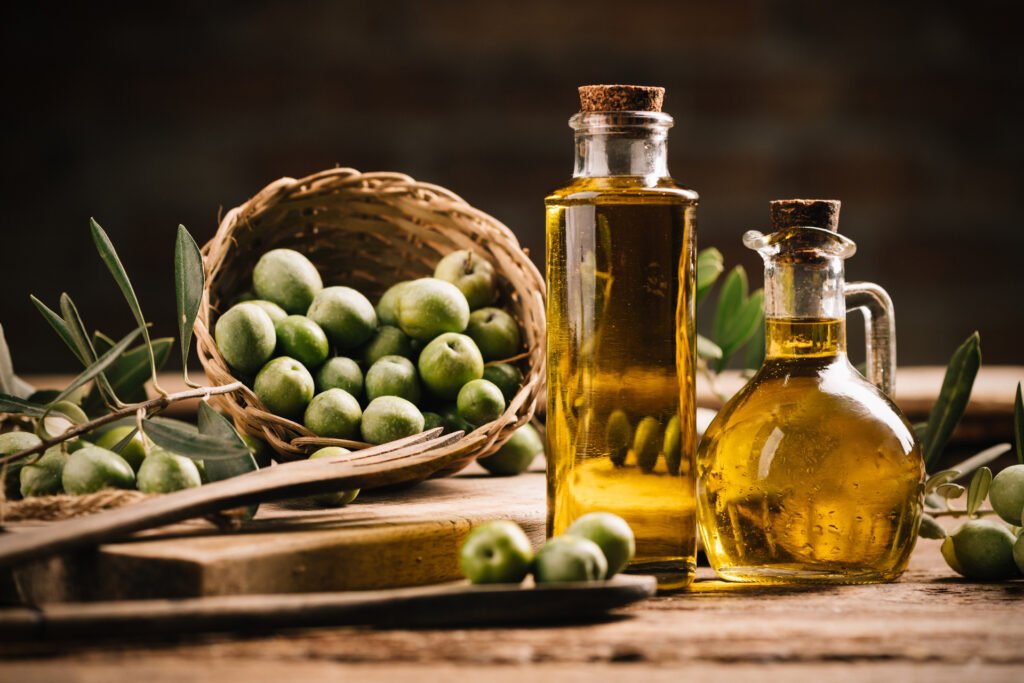
Extra virgin olive oil (EVOO) is a totally different story.
It’s high in monounsaturated fats and contains a potent compound called oleocanthal. Oleocanthal works in much the same way as ibuprofen — it inhibits the same inflammation-producing enzymes. Indeed, researchers estimate that approximately 3.5 tablespoons of EVOO yields an anti-inflammatory effect roughly comparable to a low dose of ibuprofen.
The Mediterranean Diet Connection
The Mediterranean diet — consistently ranked among the healthiest diets in the world — uses olive oil as its main fat. This diet has been associated with a considerably lower incidence of heart disease, cancer, and inflammatory conditions.
According to Harvard T.H. Chan School of Public Health, olive oil is one of the top recommended healthy fat sources for reducing inflammation and supporting heart health.
Tips for Using Olive Oil
- Use it as your primary cooking oil for low-to-medium heat cooking
- Drizzle it over salads, vegetables, and bread
- Incorporate into marinades and sauces
- Always choose “extra virgin” — it’s the least processed and most nutrient-rich form
One caution: EVOO has a lower smoke point than refined oils. Avoid it for high-heat frying. Medium heat is the sweet spot.
4. Turmeric — The Golden Spice With Real Science Behind It
Curcumin: The Star Compound
Turmeric has been used in traditional medicine for thousands of years. And modern science is just now catching up to what ancient healers already understood.
Curcumin is the active ingredient in turmeric. It is one of the strongest natural anti-inflammatory agents ever researched. Curcumin blocks a molecule called NF-kB — a master switch for genes that produce inflammatory chemicals.
A number of studies have found curcumin as effective as some anti-inflammatory drugs — but without the side effects.
The Absorption Problem (And How to Solve It)
Here’s the catch. On its own, curcumin is poorly absorbed by the body. Much of it goes right through, unused.
But it’s an easily solved problem: black pepper.
Black pepper contains a compound called piperine, which can raise the absorption of curcumin by up to 2,000%. That’s not a typo.
Always eat turmeric with black pepper to get the full benefit.
How to Incorporate Turmeric Into Your Diet
- Use it in soups, stews, and curries
- Make golden milk (warm milk + turmeric + black pepper + a touch of honey)
- Sprinkle it on roasted vegetables
- Add it to scrambled eggs
- Mix it into smoothies (you’ll barely taste it)
| Turmeric Pairing | Why It Works |
|---|---|
| Black pepper | Increases absorption by up to 2,000% |
| Healthy fat (olive oil, coconut milk) | Curcumin is fat-soluble; better absorbed with fat |
| Heat | Light cooking can enhance bioavailability |
5. Leafy Greens — Your Daily Anti-Inflammatory Staple
Dark Greens Are Your Body’s Best Friend
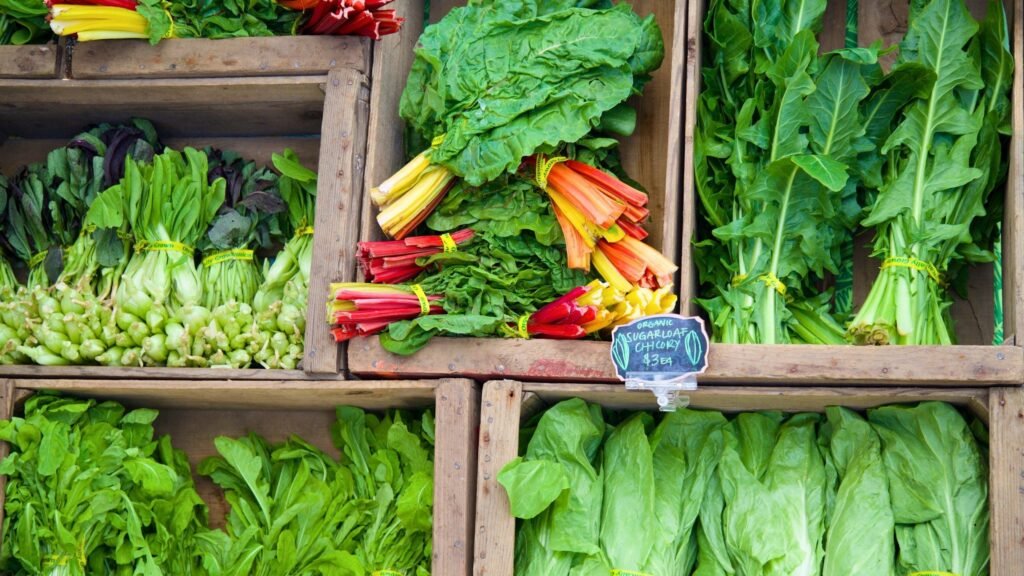
Spinach, kale, Swiss chard, collard greens, arugula — these dark leafy greens are all high in vitamins, minerals, and phytochemicals that inhibit inflammation.
They are especially high in vitamin K, vitamin C, folate, and magnesium — all of which help regulate the body’s inflammatory response.
Vitamin K in particular has been shown to decrease inflammatory markers such as IL-6 and CRP in the blood. People who eat more leafy greens consistently test lower on these markers.
The Fiber Factor
Leafy greens are also loaded with fiber. And fiber feeds the good bacteria in your gut — your gut microbiome. A healthy and diverse gut microbiome has a significant impact on containing inflammation system-wide.
When the gut is healthy, it secretes short-chain fatty acids (SCFAs) that tell the immune system to calm down. When the gut isn’t healthy, it can actually drive systemic inflammation.
How to Eat More Leafy Greens
- Sneak spinach or kale into smoothies (you won’t taste it)
- Use leafy greens as a salad base instead of iceberg lettuce
- Sauté them with garlic and olive oil as a side dish
- Add them to soups, stews, and pasta
- Use large lettuce or collard green leaves as wraps
Daily target: At least 1–2 cups of leafy greens per day. It’s one of the easiest changes you can make for long-term health.
6. Ginger — The Mighty Root With a Serious Kick
Not Just a Stomach Soother
For most people, ginger has a reputation as an antidote to nausea or upset stomach. But the anti-inflammatory benefits of ginger run far deeper than that.
Ginger contains two active compounds — gingerols and shogaols — that inhibit multiple inflammatory pathways in the body simultaneously. Studies have demonstrated that ginger supplementation can significantly reduce levels of CRP and other inflammatory markers.
One really exciting area of research involves ginger and exercise-induced muscle soreness. Several studies have shown that consuming ginger before and after exercise lessens muscle soreness and inflammation by a significant amount — similar to how ibuprofen works, but naturally.
Ginger for Joint Pain and Arthritis
Those who suffer from osteoarthritis and rheumatoid arthritis have reported significant improvement in joint pain and stiffness with consistent addition of ginger to their diet. Although it is not a substitute for medical treatment, it’s a potent complement.
How to Use Ginger Every Day
- Brew fresh ginger tea (sliced fresh ginger steeped in hot water with lemon and honey)
- Use grated ginger in stir-fries, soups, and marinades
- Add it to smoothies or fresh juices
- Use ground ginger in baking (ginger snaps, muffins, oatmeal)
- Take it as a supplement (capsule form) if fresh ginger is not accessible
Fresh ginger is typically stronger than ground ginger, but either form has its advantages.
7. Walnuts — The Brain-Shaped Nut That Battles Inflammation
A Nut That Looks Like What It Protects
There’s a fun fact about walnuts — they look enough like tiny brains that it’s become an old saying. And fittingly, they’re among the best foods for preserving brain health — much of that through their anti-inflammatory power.
Walnuts are unique among nuts because they contain a substantial amount of ALA (alpha-linolenic acid), a plant-based omega-3 fatty acid. They’re also loaded with polyphenols and vitamin E — strong antioxidants that neutralize free radicals and calm inflammation.
Studies show that people who eat walnuts regularly have lower levels of inflammatory markers such as CRP, interleukin-6, and tumor necrosis factor — all key offenders in chronic inflammation.
Walnuts vs. Other Nuts
| Nut | Omega-3 (ALA) per oz | Anti-Inflammatory Rating |
|---|---|---|
| Walnuts | 2.5g | ⭐⭐⭐⭐⭐ |
| Flaxseeds | 6.3g | ⭐⭐⭐⭐⭐ |
| Almonds | 0g | ⭐⭐⭐ |
| Cashews | 0g | ⭐⭐ |
| Pecans | 0.3g | ⭐⭐⭐ |
How to Eat More Walnuts
- Snack on a small handful (about 1 oz) daily
- Mix them into oatmeal, yogurt, or salads
- Use walnut butter as a spread
- Toss them into baked goods
- Crush them and use as a coating for chicken or fish
As little as 1 ounce of walnuts per day is enough to yield measurable anti-inflammatory benefits.
8. Green Tea — Sip Your Way to Less Inflammation
Why Green Tea Made the 2026 Health Guide List
Green tea has been consumed for thousands of years in Asian cultures, and modern science overwhelmingly backs up what those cultures already knew — it’s incredibly good for your health.
The most important compound in green tea is EGCG (epigallocatechin gallate) — a type of catechin and one of the best-studied antioxidants known to science. EGCG directly suppresses inflammatory pathways in the body while also protecting cells from oxidative stress.
Regular green tea consumption has been linked to a lower risk of heart disease, improved brain function, better blood sugar control, and lower levels of multiple inflammatory markers.
Green Tea vs. Other Common Beverages
| Beverage | Anti-Inflammatory? | Notes |
|---|---|---|
| Green tea | Yes — strongly | High in EGCG and antioxidants |
| Black tea | Yes — moderately | Less EGCG than green tea |
| Coffee | Yes — moderately | Contains antioxidants, slight diuretic |
| Soda | No — promotes inflammation | High sugar content |
| Energy drinks | No — promotes inflammation | Sugar + caffeine overload |
| Fresh fruit juice | Mildly | Better than soda, but watch sugar |
How to Get the Most Benefit From Green Tea
- Brew it at 160–180°F (not boiling — too high heat destroys catechins)
- Let it steep for 2–3 minutes
- Drink 2–3 cups per day for best results
- Try matcha — a powdered variety of green tea with even greater EGCG potency
- Add a squeeze of lemon — vitamin C aids in the preservation and absorption of EGCG
Foods That Do the Opposite — What to Cut Back On
Eating more anti-inflammatory foods is half the battle. The other half is reducing your intake of the foods that drive inflammation.
| Inflammatory Food | Why It’s Harmful |
|---|---|
| Refined sugar and sugary drinks | Cause insulin spikes and inflammatory cytokines |
| White bread, pasta, and pastries | Refined carbs rapidly raise blood sugar |
| Fried foods | Trans fats and oxidized oils fuel inflammation |
| Processed meats (hot dogs, deli meat) | Contain additives and compounds linked to inflammation |
| Margarine and vegetable shortening | High in trans fats and omega-6s |
| Excess alcohol | Disrupts gut health and increases inflammatory markers |
You don’t have to cut out all of these at once. Even small, incremental reductions add up to a real difference over time.
Your 7-Day Anti-Inflammatory Meal Plan Starter
Here’s an easy way to start incorporating these 8 foods into your week without overhauling your entire routine overnight.
| Day | Breakfast | Lunch | Dinner | Snack |
|---|---|---|---|---|
| Monday | Oatmeal + blueberries | Spinach salad + olive oil dressing | Baked salmon + roasted veggies | Handful of walnuts |
| Tuesday | Greek yogurt + walnuts | Lentil soup + kale | Turmeric chicken stir-fry | Green tea + ginger biscuit |
| Wednesday | Smoothie (spinach, blueberries, ginger) | Whole grain wrap + leafy greens | Sardines on toast + side salad | Fresh fruit |
| Thursday | Oatmeal + sliced almonds + honey | Quinoa bowl with mixed greens | Mackerel + steamed broccoli | Blueberries |
| Friday | Scrambled eggs + turmeric + spinach | Green salad + olive oil + lemon | Walnut-crusted trout | Green tea |
| Saturday | Smoothie bowl with berries and chia | Avocado toast + arugula | Salmon curry with turmeric | Walnuts + dark chocolate |
| Sunday | Whole grain pancakes with blueberries | Kale and chickpea salad | Ginger-glazed tuna over brown rice | Herbal tea |
FAQs About Anti-Inflammatory Foods
Q: How long does it take for anti-inflammatory foods to have an impact? A: People typically notice improvements when eating anti-inflammatory foods consistently for 2–4 weeks. Markers such as CRP can drop significantly within a month. The long-term benefits accrue over months of eating consistently.
Q: Can I just take supplements rather than eat these foods? A: Supplements such as fish oil, curcumin, and green tea extract can be beneficial, but they don’t provide the same benefits that whole foods do. Whole foods include fiber, vitamins, and other compounds that interact in ways supplements can’t always replicate. Use supplements to support — not replace.
Q: Is an anti-inflammatory diet similar to the Mediterranean diet? A: They overlap significantly. The Mediterranean diet is primarily built around anti-inflammatory foods — olive oil, fish, vegetables, fruits, nuts, and whole grains. Following a Mediterranean-style eating pattern is one of the most studied methods for decreasing chronic inflammation.
Q: Are you allowed to eat meat on an anti-inflammatory diet? A: Yes, but choose wisely. Fatty fish is excellent. Lean poultry is generally fine. Grass-fed beef contains more omega-3s than grain-fed and is a better option in moderation. Processed and red meat should be limited.
Q: What are some anti-inflammatory foods for kids? A: Absolutely. Blueberries, salmon, walnuts, leafy greens, and olive oil are all kid-friendly in age-appropriate serving sizes. Establishing these habits early is among the greatest gifts you can give a child’s long-term health.
Q: Does cooking damage the anti-inflammatory properties of these foods? A: It depends on the food and method. Gentle cooking (steaming, sautéing, light roasting) retains most nutrients. Frying at high heat or boiling for long periods can lessen potency. Having some of these foods raw (such as leafy greens and blueberries) alongside cooked forms gives you the best of both worlds.
Q: Does stress cause inflammation even if I eat well? A: Yes. Diet is important, but it’s not everything. Chronic stress, lack of sleep, physical inactivity, and smoking all raise inflammatory markers. Consider anti-inflammatory eating a crucial piece of a bigger puzzle — not the whole answer.
Q: What’s the single best anti-inflammatory food to start with? A: If you can only add one food, make it fatty fish or blueberries. Both have decades of solid research supporting them and can be easily integrated into most diets without major lifestyle changes.
Putting It All Together
Chronic inflammation is among the most prevalent and underdiagnosed health issues of our time. But it’s also one of the more controllable — especially through diet.
The 8 most potent anti-inflammatory foods in the 2026 Health Guide — fatty fish, blueberries, extra virgin olive oil, turmeric, leafy greens, ginger, walnuts, and green tea — are all accessible, affordable, and genuinely effective.
You do not have to eat all eight of them every single day. Start with two or three. Incorporate them into meals you already enjoy. Build slowly.
Consider it less of a diet and more of a long-term investment in your body. Every single bite you take is a choice about whether to dial the inflammation up — or turn it down.
The choice is on your plate.