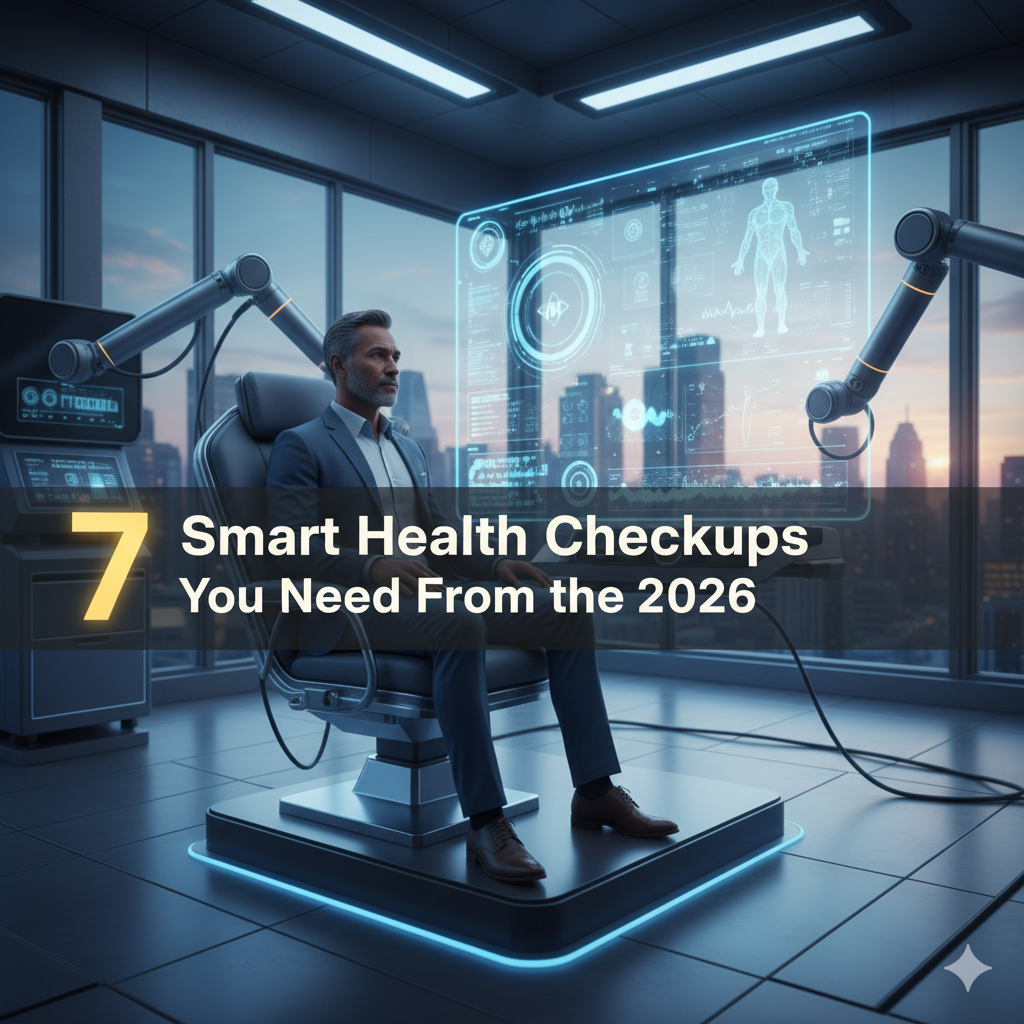
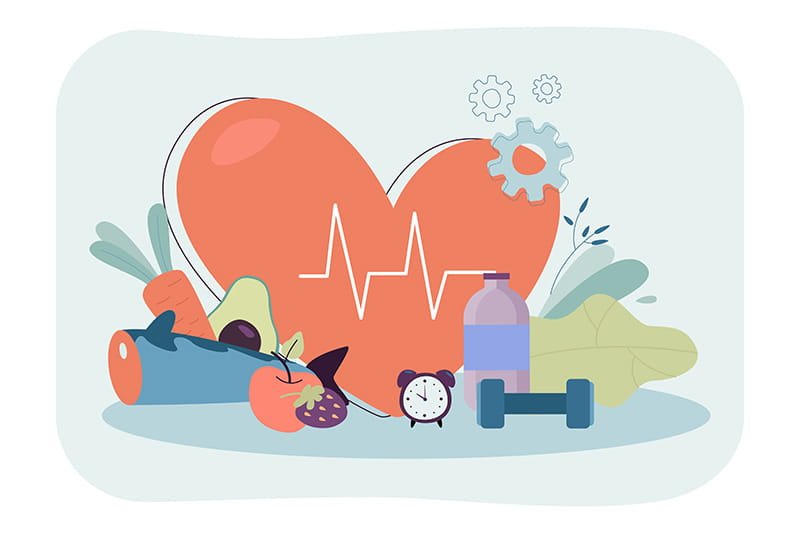
You pick up your phone in the morning, glance at the news, and there it is again: another reminder that heart disease still claims more lives than anything else. But here we are in 2026, and the conversation has shifted. It is no longer just about avoiding the obvious risks. The American Heart Association’s latest statistics show someone in the United States dies of cardiovascular disease every thirty-four seconds. Globally the picture is similar. Yet the same report highlights something hopeful. If more people reached even moderate scores on what the experts call Life’s Essential 8, up to forty percent of those deaths could be prevented. That is not hype. It is data from real populations tracked over years. The framework itself has not changed dramatically since its 2022 refresh, but the tools we now use to live it have. Wearables that whisper personalized nudges, AI apps that read your blood sugar in real time, smart scales that track vascular age while you brush your teeth. This is the 2026 Health Guide: eight smart, practical ways to protect your heart that feel less like a chore and more like upgrades to the life you are already living.
I have spent the last decade talking to cardiologists, reading the studies, and watching ordinary people turn small habits into real protection. What strikes me most is how the “smart” part comes from integration. You no longer guess whether your walk counted as exercise; your ring tells you. You do not wonder if last night’s sleep wrecked your blood pressure; the data is already synced. The tips below weave the classic pillars with the technology that makes them stick. They are written for real days, real kitchens, real stress levels. No perfection required. Just steady, informed moves that add up.
The first smart heart health tip centers on eating better, but in 2026 that means something more precise than “choose the salad.” The American Heart Association still points to patterns like Mediterranean or DASH: loads of vegetables, fruits, whole grains, lean proteins, nuts, seeds, and healthy oils while cutting back on ultra-processed foods, added sugars, and sodium. The why is straightforward. Poor diet drives inflammation, raises bad cholesterol, and quietly damages blood vessels for decades before symptoms appear. In the latest statistics, only a small fraction of adults hit ideal diet scores, yet those who do slash their lifetime risk of heart attack and stroke dramatically.
What makes this tip smart today is the arrival of truly personalized nutrition. Forget generic calorie counters. Apps now sync with continuous glucose monitors or at-home biomarker kits and tell you exactly how your body reacts to rice versus quinoa or that afternoon coffee. Wearables track your heart-rate variability after meals and flag the ones that spike stress on your system. One friend in his fifties started using an AI meal planner that pulled his recent blood work, activity data, and even local grocery prices. Within three months his non-HDL cholesterol dropped without medication. He did not go vegan or count every gram. He simply swapped his usual white rice for a mix that his body handled better and added a handful of walnuts most days. Small, data-backed swaps.

Start here if you want to make it real. Open the fridge and ask yourself one question each time you reach inside: does this choice move my plate closer to half vegetables and fruit? That single rule, repeated, changes everything. Batch-cook a big pot of beans or lentils on Sunday; they keep for days and replace meat in half your meals without feeling like sacrifice. When eating out, use the restaurant’s nutrition app if it has one, or just default to grilled protein and double the greens. In 2026 many delivery services now highlight “heart-score” meals based on AHA guidelines. Use them when life gets busy, but do not let them become the default. The goal is ownership. Track for two weeks with whatever tool feels easiest, notice patterns, then let the AI suggest tweaks rather than rules. Most people see blood pressure and energy improve within a month. That quick win keeps the motivation alive.
Common pitfalls sneak in when we chase perfection. Someone cuts all carbs, feels terrible, quits. Another loads up on “heart-healthy” packaged bars that are still loaded with sugar. The smart move is progress, not purity. Aim for eighty percent of meals to follow the pattern. The other twenty percent are birthdays, travel, life. Your heart forgives flexibility when the baseline is strong. And remember, eating better is not about weight first. It is about the quality of fuel reaching your arteries every single day. In the 2026 data, even modest improvements in diet score correlated with lower rates of new diabetes and kidney issues, two conditions now linked tightly to heart risk through the growing awareness of cardiovascular-kidney-metabolic syndrome.
The second smart heart health tip is to be more active, and the 2026 version comes with built-in coaching. The target has not moved: at least 150 minutes of moderate activity or 75 minutes of vigorous per week, plus muscle-strengthening twice weekly. That could be brisk walking, cycling, dancing, whatever keeps your heart rate up. The data is ironclad. Regular movement improves blood flow, lowers blood pressure, balances blood sugar, and strengthens the heart muscle itself. People who hit these levels cut their cardiovascular death risk by half in long-term studies.
The smart upgrade is how technology removes the guesswork. Your smartwatch now knows the difference between a casual stroll and actual zone-two training. It suggests the exact ten-minute walk after lunch that will offset the morning meeting you sat through. Some rings even adjust daily goals based on your sleep and recovery score so you do not burn out. I watched a busy executive in his forties use his watch’s AI coach to turn airport layovers into walking meetings via headphones. He logged the minutes without ever setting foot in a gym. That is the beauty of 2026: activity no longer requires a separate block of time. It weaves into the day.
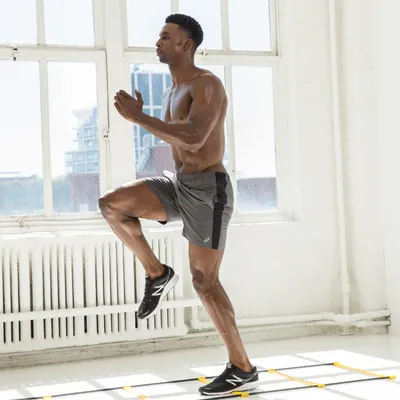
Practical steps feel almost too simple until you try them. Park farther away on purpose. Take calls while pacing. Set a phone reminder for a two-minute stretch every hour. If you sit for work, invest in a standing desk converter; many now sync with your watch to buzz when you have been stationary too long. Strength work can be body-weight: wall sits while the coffee brews, push-ups during commercials. The key is consistency over intensity at first. One study after another shows that breaking activity into short bursts works just as well for heart health as one long session.
Watch for the trap of all-or-nothing thinking. Rainy day? Do a living-room dance video. Travel week? Hotel stairs count. The devices gently remind you without guilt. And celebrate non-scale wins: better sleep, steadier energy, clothes fitting differently. In the latest statistics, physical activity was one of the strongest individual predictors of both all-cause and cardiovascular survival. Pair it with the diet tip and the results multiply.
Third comes quitting tobacco in all its forms. The American Heart Association expanded this metric years ago to cover vaping, e-cigarettes, and secondhand exposure because nicotine damages blood vessels regardless of delivery method. Smoking remains the single most preventable cause of heart disease. Quitters see risk drop within months, approaching never-smoker levels over time. The 2026 stats still show too many young adults picking up vaping under the illusion it is harmless.
The smart part today is the arsenal of support. Apps use AI to predict your toughest cravings based on time of day, stress levels from your watch, and past slip-ups. They send micro-interventions: a breathing exercise or a quick game that distracts for the three minutes a craving usually lasts. Prescription options have improved too, with longer-acting patches and new non-nicotine medications that reduce withdrawal without replacing one addiction for another. Many health plans now cover coaching via text or video, making it easier than ever.
If you use any nicotine product, pick a quit date within the next two weeks. Tell one supportive person. Remove triggers: ashtrays, lighters, the drawer where you keep the vape. Replace the hand-to-mouth habit with herbal tea or carrot sticks. When the urge hits, the watch can guide a two-minute walk or box-breathing session. Track smoke-free days on an app that shows real-time improvements in oxygen levels and heart-rate variability. Most people need multiple attempts; each one teaches something. The data is encouraging: even partial reduction helps, but full cessation delivers the biggest payoff.
Fourth, get healthy sleep, the metric added in the 2022 update that has only gained importance. Seven to nine hours of quality sleep nightly is the sweet spot. Poor sleep raises blood pressure, messes with hunger hormones, and inflames the arteries. The 2026 update ties short sleep directly to higher rates of new cardiovascular events.
Smart technology turned sleep from vague advice into measurable progress. Rings and watches now score sleep stages, detect apnea patterns, and suggest wind-down routines. Some beds adjust firmness and temperature automatically based on your body’s signals. The data is eye-opening. One woman I know discovered her “seven hours” was actually six hours forty minutes of light sleep because of undiagnosed apnea. A simple home test and CPAP machine added genuine deep sleep and dropped her daytime blood pressure twenty points.
Build the habit by protecting the hour before bed. Dim lights, skip screens or use blue-light blockers, keep the room cool and dark. Consistent bedtime and wake time matter more than you think; your internal clock loves rhythm. If you wake unrefreshed, talk to your doctor. In 2026 many primary-care clinics offer quick sleep-apnea screening tied to your wearable data. Avoid caffeine after noon and heavy meals close to bedtime. The payoff arrives fast: steadier mood, sharper focus, and a heart that does not have to work overtime.
Fifth is managing weight, measured by body-mass index but understood as more than a number. A BMI between 18.5 and 24.9 is ideal, yet even five to ten percent loss brings measurable heart benefits. Excess weight strains the heart, raises blood pressure, and promotes inflammation. The latest reports link obesity strongly to the new cardiovascular-kidney-metabolic syndrome category.
In 2026 weight management feels less punitive. GLP-1 medications get plenty of headlines, but lifestyle remains foundation. Smart scales now track more than pounds; they estimate visceral fat and vascular age. Pair them with food and activity apps and the system learns your patterns. One man in his thirties used weekly scale data plus his watch’s recovery score to adjust portions rather than crash diet. He lost twelve percent of his body weight in six months and kept it off because the changes felt sustainable.
Focus on behaviors, not the scale alone. Eat slowly, stop at eighty percent full, move daily, prioritize protein and fiber. Strength training preserves muscle while fat drops. If medications enter the picture, view them as tools alongside habits, not replacements. The data shows combined approaches work best long-term. And remember, weight is only one factor. Someone at a higher BMI who nails the other seven tips can still have excellent heart health.
Sixth, control cholesterol, now tracked primarily through non-HDL levels rather than total cholesterol alone. High levels silently build plaque in arteries. Diet, exercise, and, when needed, statins or newer injectables keep numbers in check. The 2026 statistics show many adults still unaware of their levels because there are no symptoms until damage is done.
Smart monitoring is routine now. Home kits and annual labs sync to apps that trend your numbers alongside diet logs. Some smartwatches estimate lipid-related risk through heart-rate patterns and inflammation markers. A simple plan: eat more soluble fiber from oats, beans, and apples; cut saturated fat; stay active. If your doctor recommends medication, the new formulations have fewer side effects and once-monthly options. Track progress every three months. Small drops in non-HDL translate to big reductions in event risk over time.
Seventh, manage blood sugar. Hemoglobin A1c gives the two-to-three-month average. Even prediabetes damages vessels. The rise in diabetes parallels the rise in heart disease. Lifestyle can reverse prediabetes in many cases.
Continuous glucose monitors, once reserved for diabetics, are more accessible in 2026 and pair with AI apps that explain why certain meals spike you. One busy mom learned her “healthy” smoothie caused a bigger spike than a balanced plate with protein and fat. She adjusted and watched her energy stabilize. Test regularly, move after meals, limit refined carbs. The combination of diet, activity, and sleep from earlier tips keeps blood sugar steady almost automatically.
Eighth, manage blood pressure, the silent killer. Below 120/80 is optimal. Home monitors with AI trend analysis make tracking effortless. The new 2025 guidelines reinforce lifestyle as first-line treatment: lower sodium, move more, manage stress, limit alcohol. Many smartwatches now give cuffless estimates that prompt you to check with a proper device.
Daily habits matter. Cut processed foods, practice deep breathing or meditation via guided apps, keep alcohol to moderate levels. If medication is prescribed, take it consistently; the devices can remind you and even detect irregular rhythms. Regular checks at home catch changes early.
Putting all eight together feels overwhelming until you realize they reinforce each other. Better sleep makes healthy eating easier. Activity improves every other metric. In 2026 the technology stitches them into one dashboard on your phone. Many people start with two or three tips, see quick wins, then layer more. The latest data shows that higher overall scores on Life’s Essential 8 correlate with dramatically lower risk of heart attack, stroke, heart failure, and even cognitive decline.
One last thought before you close this guide. Heart health is not a solo project. Share your wearable insights with your doctor at the next visit. Join a community challenge through your health app. Talk to family about making changes together. In Karachi or anywhere else, the air, the food, the pace of life all play roles, but the power of these eight smart habits remains universal. Small steps, tracked intelligently, compound into decades of extra time with the people you love. Start today with whichever tip feels easiest. Your heart will thank you tomorrow, and every day after. The 2026 numbers prove it is possible. The tools are in your hands. The choice is yours.