Healthy eating is often associated with what we eat, but an equally important factor is how much we eat. Portion control has become a central topic in modern nutrition because many people unknowingly consume more calories than their bodies require. With larger restaurant servings, convenient packaged foods, and busy lifestyles, overeating can happen easily without being noticed.
The 2026 Health Guide highlights portion awareness as one of the most effective and sustainable strategies for maintaining healthy weight, improving digestion, and preventing lifestyle-related diseases. Rather than promoting strict dieting or eliminating favorite foods, the focus is on learning practical ways to manage portions in everyday life.
This article explores 9 smart portion control ideas that help people enjoy balanced meals without feeling deprived. Each section includes practical explanations, real-world examples, and informative tables or charts to help readers apply the strategies immediately.
Understanding Portion Control
Portion control simply means managing the amount of food consumed during meals and snacks. It does not necessarily mean eating less food overall, but rather ensuring the body receives the appropriate amount of nutrients and calories for energy and health.
Portion vs Serving Size
| Term | Meaning |
|---|---|
| Portion | The amount of food you choose to eat at a time |
| Serving | A standardized measurement used in nutrition labels |
| Recommended serving | The portion recommended by nutrition guidelines |
For example, a cereal box might list one serving as 1 cup, but someone may unknowingly eat 2–3 cups, which doubles or triples calorie intake.
Why Portion Control Matters
| Benefit | Explanation |
|---|---|
| Weight management | Prevents excess calorie intake |
| Better digestion | Smaller portions reduce stomach strain |
| Balanced nutrition | Encourages variety instead of overeating one food |
| Blood sugar stability | Prevents spikes from large meals |
| Improved eating habits | Encourages mindful eating |
Learning portion control is a simple yet powerful step toward long-term healthy living.
The Role of Portion Control in Modern Nutrition
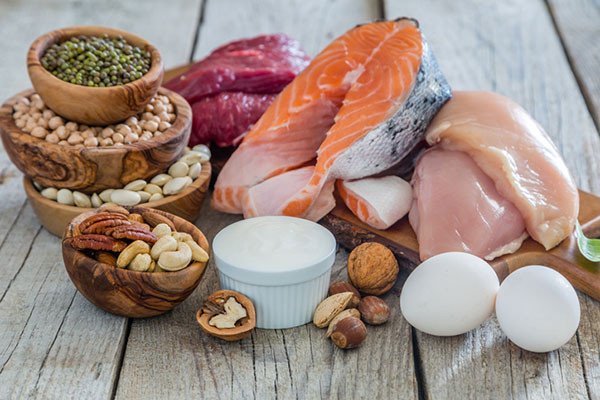
Modern health research indicates that calorie intake has increased significantly over the past few decades, largely due to larger portion sizes in restaurants, packaged foods, and fast-food meals.
Portion Size Changes Over Time
| Food Item | Average Portion in 1990 | Average Portion Today |
|---|---|---|
| Soda | 8 oz | 16–20 oz |
| French fries | 2.4 oz | 6.7 oz |
| Muffins | 1.5 oz | 4 oz |
| Pasta | 1 cup | 2–3 cups |
These increases may seem small individually but can add hundreds of extra calories per day.
The 2026 Health Guide encourages individuals to focus on balanced portions rather than extreme dieting.
Idea 1: Use Smaller Plates and Bowls
One of the simplest and most effective portion control techniques is using smaller plates.
Research in behavioral nutrition shows that plate size influences how much people eat. When food is served on large plates, portions appear smaller, leading people to serve more food than necessary.
Plate Size Comparison
| Plate Diameter | Typical Portion Behavior |
|---|---|
| 12-inch plate | Larger servings and more calories |
| 10-inch plate | Moderate portions |
| 8–9 inch plate | More balanced portions |
Practical Tips
- Use salad plates instead of dinner plates
- Choose smaller bowls for cereal and snacks
- Avoid oversized serving dishes at the table
This small environmental change can significantly reduce calorie intake without requiring strict dieting.
Idea 2: Follow the Balanced Plate Method
The balanced plate method is widely recommended by nutrition experts because it visually divides meals into healthy portions.
Balanced Plate Chart
| Plate Section | Food Type | Portion |
|---|---|---|
| Half plate | Vegetables and fruits | 50% |
| One quarter | Lean protein | 25% |
| One quarter | Whole grains or starch | 25% |
This method ensures a healthy balance of nutrients while preventing excessive portions of high-calorie foods like refined carbohydrates.
Example Balanced Meal
| Food | Portion |
|---|---|
| Grilled chicken | 1 palm-sized portion |
| Brown rice | ½ cup |
| Mixed vegetables | 1–2 cups |
| Olive oil dressing | 1 teaspoon |
The plate method simplifies portion control without needing calorie counting.
Idea 3: Use the Hand Measurement Technique
For people who do not want to measure food with scales or cups, the hand measurement technique offers a convenient solution.
Portion Guide Using Your Hand
| Hand Measurement | Food Type |
|---|---|
| Palm | Protein |
| Fist | Vegetables |
| Cupped hand | Carbohydrates |
| Thumb | Healthy fats |
Example Meal Using Hand Portions
| Food | Portion Guide |
|---|---|
| Chicken breast | Palm size |
| Rice or pasta | Cupped hand |
| Vegetables | Fist |
| Olive oil or butter | Thumb |
Because hand sizes are proportional to body size, this method automatically adjusts portions to individual needs.
Idea 4: Eat Slowly and Mindfully
Portion control is not only about the amount of food—it is also about how we eat.
The brain takes approximately 20 minutes to register fullness after eating begins. Eating too quickly can cause people to consume more food than necessary before feeling satisfied.
Effects of Eating Speed
| Eating Speed | Typical Result |
|---|---|
| Fast eating | Overeating |
| Moderate eating | Balanced intake |
| Slow eating | Better satiety |
Mindful Eating Strategies
- Chew food thoroughly
- Put utensils down between bites
- Avoid distractions like TV or phones
- Focus on taste and texture
Mindful eating naturally encourages smaller portions because the body signals fullness more effectively.
Idea 5: Pre-Portion Snacks Instead of Eating from the Package
Many people consume extra calories simply by eating snacks directly from large packages.
Snack Portion Awareness
| Snack Food | Recommended Portion |
|---|---|
| Nuts | 1 small handful |
| Chips | 1 ounce (about 15 chips) |
| Popcorn | 3 cups air-popped |
| Dark chocolate | 20–30 grams |
Smart Snacking Tips
- Divide snacks into small containers
- Use zip-lock bags for daily portions
- Avoid eating directly from large packages
Pre-portioning snacks helps maintain control and prevents mindless overeating.
Idea 6: Drink Water Before Meals
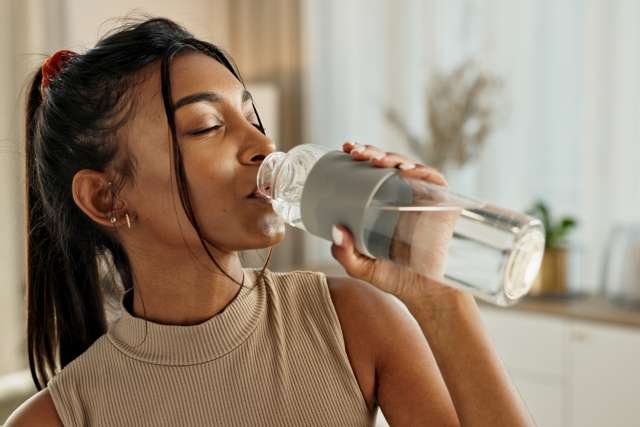
Drinking water before meals can support portion control by increasing feelings of fullness.
Hydration and Appetite
| Timing | Benefit |
|---|---|
| Before meals | Reduces hunger |
| During meals | Slows eating pace |
| After meals | Supports digestion |
Water Intake Guide
| Activity Level | Daily Water Intake |
|---|---|
| Low activity | 2 liters |
| Moderate activity | 2.5–3 liters |
| High activity | 3–4 liters |
Staying hydrated helps prevent confusion between hunger and thirst.
Idea 7: Avoid Oversized Restaurant Portions
Restaurant meals often contain two to three times the recommended portion size.
Typical Restaurant Portion Sizes
| Dish | Recommended Portion | Restaurant Portion |
|---|---|---|
| Pasta | 1 cup | 3–4 cups |
| Steak | 3–4 oz | 8–12 oz |
| Fries | 2–3 oz | 6–8 oz |
Smart Dining Strategies
- Share meals with friends
- Request half portions
- Take leftovers home
- Order appetizers instead of large entrees
These strategies help maintain portion awareness while still enjoying restaurant meals.
Idea 8: Balance Meals with Fiber-Rich Foods
Fiber plays an important role in portion control because it promotes fullness and slows digestion.
High-Fiber Foods
| Food | Fiber Content |
|---|---|
| Oats | 4 g per cup |
| Lentils | 15 g per cup |
| Apples | 4 g |
| Broccoli | 5 g per cup |
| Chia seeds | 10 g per 2 tablespoons |
Benefits of Fiber for Portion Control
| Benefit | Explanation |
|---|---|
| Satiety | Keeps you full longer |
| Blood sugar control | Slows carbohydrate absorption |
| Digestive health | Supports gut bacteria |
Meals rich in fiber naturally reduce overeating.
Idea 9: Plan Meals in Advance
Meal planning is one of the most powerful strategies for controlling portions.
Weekly Meal Planning Chart
| Day | Breakfast | Lunch | Dinner |
|---|---|---|---|
| Monday | Oatmeal and fruit | Chicken salad | Vegetable stir fry |
| Tuesday | Yogurt and nuts | Brown rice bowl | Grilled fish |
| Wednesday | Smoothie | Lentil soup | Chicken and vegetables |
| Thursday | Eggs and toast | Quinoa salad | Turkey wrap |
| Friday | Fruit bowl | Vegetable pasta | Grilled tofu |
Planning meals ahead prevents impulsive eating and helps maintain appropriate portion sizes.
Portion Control Comparison Chart
Below is a simplified visual comparison between typical eating habits and portion-controlled meals.
| Habit | Typical Portion | Controlled Portion |
|---|---|---|
| Rice | 2 cups | ½–1 cup |
| Pasta | 3 cups | 1 cup |
| Meat | 8 oz | 3–4 oz |
| Nuts | ½ cup | 1 small handful |
This adjustment alone can reduce daily calorie intake by 300–500 calories without eliminating favorite foods.
Long-Term Benefits of Portion Control
Practicing portion control consistently leads to many health benefits.
Health Impact of Portion Awareness
| Benefit | Result |
|---|---|
| Healthy weight | Balanced calorie intake |
| Improved digestion | Reduced stomach discomfort |
| Stable blood sugar | Better metabolic health |
| Heart health | Lower cholesterol and blood pressure |
| Sustainable eating habits | Long-term lifestyle improvement |
Unlike restrictive diets, portion control supports sustainable and flexible eating habits.
Frequently Asked Questions (FAQs)
1. What is the easiest way to control portion sizes?
Using smaller plates, following the balanced plate method, and measuring food with hand portions are simple and effective ways to manage portions without complicated calculations.
2. Can portion control help with weight loss?
Yes. Portion control reduces calorie intake naturally, which can lead to gradual and sustainable weight loss when combined with healthy food choices and regular physical activity.
3. How do I know if I am eating too much?
Signs of overeating include frequent bloating, feeling overly full after meals, constant weight gain, and consuming food quickly without feeling satisfied.
4. Is it okay to eat snacks while controlling portions?
Yes. Healthy snacks such as fruits, nuts, yogurt, and vegetables can be part of a balanced diet if consumed in appropriate portions.
5. Why do restaurants serve large portions?
Restaurants often serve large portions to create the impression of value for money, but these servings frequently exceed recommended nutritional guidelines.
6. Is counting calories necessary for portion control?
Not always. Many people successfully control portions using visual techniques such as the plate method, hand measurements, and mindful eating without counting calories.
Final Thoughts
Portion control is one of the most practical and sustainable strategies for improving health. Instead of eliminating favorite foods or following strict diets, the 2026 Health Guide encourages smarter eating habits that focus on balance and awareness.
The nine smart ideas discussed in this article—from using smaller plates and mindful eating to meal planning and fiber-rich foods—demonstrate that small changes can produce powerful results. By learning to recognize appropriate portions and listening to the body’s hunger signals, individuals can enjoy satisfying meals while maintaining healthy weight and long-term well-being.
Healthy eating does not have to be complicated. With consistent practice and mindful habits, portion control becomes a natural part of everyday life, supporting both physical health and overall quality of life.