We are living in a world that never stops. Between school, work, social media and all the other stuff in between, it’s easy to forget the one thing that matters most: Your health. But here’s the good news: You don’t need to buy expensive supplements, join an extravagant gym or follow a complex diet plan in order to feel great.
The 2026 Health Guide is the year’s return to basics. Simple habits. Small changes. Big results.
This article is a breakdown of 10 wellness tips that are quick and actually effective. Whether you’re a student, a working adult or anyone who’s just trying to get by on this stuff — these tips are for you.
Let’s get into it.
Wellness 2026: Why Wellness Matters More Than Ever
In the last few years the world changed a lot. More workers are logging in from home. The amount of time spent in front of screens has never been higher. Stress levels? Through the roof.
More than 60 percent of adults feel “chronically tired” on a daily basis, according to a report by the Global Wellness Institute in 2025. That’s not normal — and it’s not something you have to live with.
Wellness isn’t about being perfect. It’s about making decisions that feel good for your body and mind over the long run. The tips below are simple to implement, inexpensive or free, and rooted in real science.
Tip #1 — Don’t Use Your Phone in the Morning
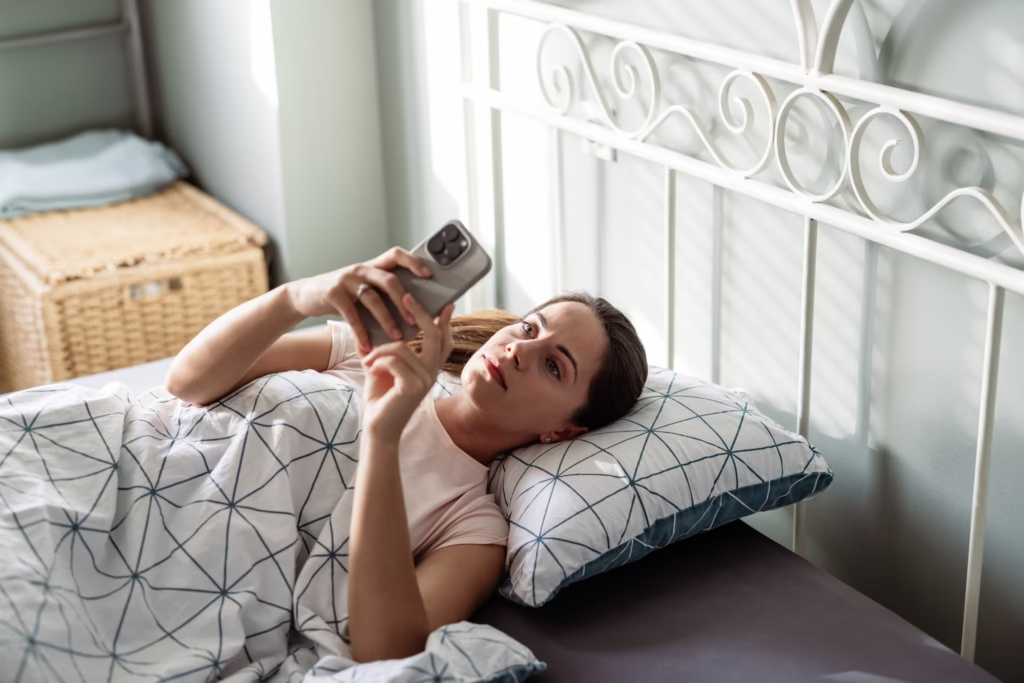
This one sounds simple. But it’s also one of the most difficult habits to form.
There are few people who don’t grab their phone in the first minutes of getting out of bed. You look at notifications, you scroll your social media feed and suddenly your brain is already in stress mode — before breakfast.
What They Don’t Tell You About Skipping the Morning Scroll
Your brain drowns in information when you check your phone first thing. This sends your cortisol levels (your stress hormone) through the roof first thing in the morning.
Instead, try the following: set aside 20–30 minutes of each morning without a phone.
Take the time to stretch, hydrate, get outside or into a quiet space. This assists your brain in waking up naturally and establishes a calmer rhythm throughout your day.
Quick Tip: Keep your phone charger in a different room so it isn’t the first thing you see.
Tip #2 — Increase Your Hydration (Yes, For Real)
You’ll find this tip in every health guide — because it works.
Your body consists of about 60% water. When you’re low on it, everything suffers. Your focus drops. Your energy dips. Your mood tanks.
How Much Water Do You Really Need?
| Body Weight | Daily Water Goal |
|---|---|
| Under 130 lbs | 6–7 cups (1.5 liters) |
| 130–180 lbs | 8–10 cups (2–2.5 liters) |
| 180–230 lbs | 10–12 cups (2.5–3 liters) |
| Over 230 lbs | 12–14 cups (3–3.5 liters) |
Most people are mildly dehydrated without even knowing it. Symptoms include headaches, fatigue, difficulty concentrating and dry skin.
Easy Fix: Always keep a reusable water bottle on hand. Set a reminder on your phone to drink water every 2 hours.
Tip #3 — Exercise for 20 Minutes a Day

You don’t have to run a marathon. You do not require a gym membership. Just 20 minutes of physical activity a day can alter how you feel.
Data from the American Heart Association indicates that even light daily movement — walking, dancing, stretching — reduces your risk of heart disease, boosts mood and improves sleep.
Simple and Gentle Ways to Get Moving Each Day
- Go for a 20-minute walk after lunch or dinner
- Do a free workout video on YouTube
- Avoid driving short distances — ride your bike instead
- Have a quick dance session in your bedroom (seriously — it helps)
- Walk stairs instead of the elevator
Remember, it is consistency and not intensity. A 20-minute walk every single day beats a 2-hour gym session once a week.
Fun Fact: Just 20 minutes of walking increases serotonin and dopamine — the two brain chemicals that make you feel good.
Tip #4 — Fix Your Sleep Before Fixing Everything Else
Everything rests on a foundation of sleep. It impacts your mood, weight, immune system, memory and even your skin.
And yet, millions of people get less than 7 hours of sleep a night. In 2026, the world faces some of its greatest public health threats from sleep deprivation.
Signs That You Are Sleep Deprived
- Even with 8 hours, you wake up groggy
- You rely on caffeine throughout the day
- You feel irritable or emotional without apparent reason
- You get sick more frequently than others
- You have trouble remembering things
Build a Better Sleep Routine
The science is simple: your body prefers routine. Going to bed and waking up at the same time each day — including weekends — helps regulate your internal clock.
Try this simple evening routine:
- Stop caffeine after 2 PM
- Dim your lights an hour before bedtime
- Keep your phone away 30 minutes before sleep
- Make your bedroom cool and dark
- Give yourself 5 minutes of deep breathing before you shut your eyes
Most adults need 7–9 hours of sleep. Teenagers need even more — around 8–10 hours.
Tip #5 — Avoid Processed Foods as Much as Possible
You need not go on a diet. You don’t need to give up all your favorite foods. The goal is simple: eat more real food, more frequently.
Real food is fruits, vegetables, whole grains, lean proteins, nuts and seeds. These foods provide your body with the nutrients necessary for it to operate smoothly.
The 80/20 Rule for Eating
A simple way of thinking about it:
- 80% of the time — eat wholesome, nourishing foods
- 20% of the time — enjoy treats and comfort foods guilt-free
This approach is sustainable. It doesn’t feel like punishment. And it works long-term.
Energizing, Mood-Boosting Foods
| Food | Key Benefits |
|---|---|
| Bananas | Quick energy, potassium for muscles |
| Leafy greens (spinach, kale) | Iron, folate, brain health |
| Oats | Slow-release energy, fiber |
| Eggs | Protein, vitamin D, choline for focus |
| Salmon | Omega-3s for brain and heart |
| Nuts and seeds | Healthy fats, magnesium, mood support |
| Greek yogurt | Probiotics, protein, gut health |
Small change, big results: Replace one processed snack a day with fresh fruit or a handful of nuts. That’s it.
Tip #6 — Treat Your Mental Health Like Physical Health
Mental health is health. Full stop.
More people are talking openly about anxiety, burnout and depression — and that’s a good thing. But talking isn’t always enough. You need to actively take care of your mind.
Everyday Mental Health Practices That Are Actually Helpful
Journaling: Every morning, write down 3 things that you are grateful for. Research shows this shifts your brain toward positivity over time.
Breathing exercises: Practice the 4-7-8 method — breathe in for 4 seconds, hold your breath for 7 seconds, exhale for 8. Do this 3 times whenever you feel nervous. It triggers your body’s calm response.
Talking to someone: Could be a friend, family member, or therapist. You don’t have to bear it all on your own.
Limit news and social media: Constant negative news has been shown to increase anxiety. Limit your daily consumption.
Spend time in nature: Even just 10 minutes outside lowers cortisol. It’s free and it works.
Tip #7 — Build Stronger Social Connections
Humans are wired for connection. Loneliness isn’t just emotionally painful — it’s also physically dangerous.
A landmark Harvard study that followed people for more than 80 years found that the biggest predictor of a long and healthy life was strong relationships. More than diet. More than exercise. More than genetics.
How to Improve Connections in a Fast-Paced World
- Make sure to regularly check in with friends or family (even a 10-minute phone call counts)
- Set your phone aside when eating meals or spending time together
- Join a club, class or community group around something you love
- Volunteer — supporting others is one of the quickest ways to feel connected
- Make the first move to reach out
You don’t have to be popular. Studies indicate that having 3–5 close relationships is sufficient to bolster your well-being.
Tip #8 — Cut Down on Screen Time (Smartly)
In 2026, the average individual spends more than 7 hours per day looking at screens. That’s over half of your waking hours.
Screens aren’t evil. But an excess of screen time — particularly passive scrolling — is associated with eye strain, poor sleep, anxiety and shortened attention span.
The Smart Way to Cut Back
You don’t have to quit cold turkey. Try these small adjustments:
- Check out the screen time feature on your phone to see how much you use it each day
- Limit daily use of social media apps (1 hour to start)
- Take a 5-minute screen break for every 45–60 minutes of screen use
- Establish “no-screen zones” — such as the dinner table or your bedroom
- Replace 30 minutes of scrolling with something physical or creative
Screen Time vs. Activity: A Simple Comparison
| Daily Habit | Impact on Wellness |
|---|---|
| 7+ hours of passive scrolling | Linked to anxiety, poor sleep, low energy |
| 20-min walk + 1 hour social media | Improved mood, better focus |
| Reading 30 min before bed | Better sleep quality |
| Screen-free meals | Better digestion, stronger social bonds |
Tip #9 — Make Time for Intentional Rest, Not Just Sleep
There is a difference between sleep and rest. Sleep is what occurs at night. Intentional rest is the stuff you do throughout your day that allows your mind to recharge.
Hustle culture is fading in 2026. People are beginning to recognize that rest is not laziness — it’s a performance strategy.
Types of Rest Your Body Needs
Physical rest: Sitting down, stretching or pausing from standing or heavy activity.
Mental rest: Taking a break from problems, decisions and thought. Let your mind wander.
Creative rest: Absorbing art, music or nature without attempting to create anything.
Social rest: Being alone when you feel overstimulated by people.
Sensory rest: Silence. No screens, no sounds, zero stimulation. Even 5 minutes counts.
Try this: Build one 10-minute rest break into your day. Sit still, look out the window or lie down. No phone. Just rest.
Tip #10 — Prioritize Preventive Health
Most people don’t go to a doctor until something is wrong. But preventive care — steps you take to avoid illness before it even begins — is among the smartest things you can do for your long-term health.
For even more practical wellness ideas backed by the latest research, visit Health Benefits 2026 — a great resource for everyday tips on living healthier in the modern world.
What Preventive Health Looks Like
- Getting your annual physical checkup
- Knowing your blood pressure and cholesterol numbers
- Staying up to date on vaccinations
- Doing recommended health screenings for your age group
- Looking after your dental and eye health
- Applying sunscreen every day (yes, even in winter)
Simple Preventive Practices to Start Today
| Habit | How Often |
|---|---|
| Annual physical exam | Once a year |
| Dental checkup | Every 6 months |
| Eye exam | Once a year (or as recommended) |
| Skin check (self-exam) | Monthly |
| Blood pressure check | Every 1–2 years (or more if at risk) |
| Sunscreen application | Daily |
Prevention is always easier — and cheaper — than treatment. Small habits now protect your future self.
Putting It All Together — Your 2026 Wellness Action Plan
You just read 10 tips. That might feel overwhelming. But here’s the thing: you don’t have to do all of them simultaneously.
Start with one. Choose the tip that feels most actionable at this moment, and do it for a single week. Then add another. Real change comes from small steps done consistently.
Here’s a quick summary of all 10 tips:
| # | Wellness Tip | Difficulty |
|---|---|---|
| 1 | Morning Phone-Free Time | Easy |
| 2 | Drink More Water | Easy |
| 3 | 20 Minutes of Daily Movement | Easy |
| 4 | Improve Your Sleep Routine | Medium |
| 5 | Eat More Real Food | Medium |
| 6 | Daily Mental Health Habits | Medium |
| 7 | Strengthen Social Connections | Easy |
| 8 | Reduce Screen Time | Medium |
| 9 | Practice Intentional Rest | Easy |
| 10 | Focus on Preventive Health | Easy |
FAQs — Your Questions About Wellness Answered
Q: Do I have to follow all 10 tips to see results? No. Even one or two changes made repeatedly can have a significant impact on how you feel. Start small and work your way up.
Q: When can I expect results from these wellness habits? Some payoffs — improved mood from exercise or more energy from water — can arrive within days. Long-term changes such as managing your weight or preventing disease require repeated action over weeks to months.
Q: Are these tips appropriate for teenagers? Absolutely. Indeed, these habits become much easier to maintain once you develop them early in life. Several of these tips are particularly helpful for teens facing school stress and screen overload.
Q: What’s the most helpful wellness tip for someone just getting started? Sleep is, perhaps, the easiest place to start. Poor sleep affects everything else — your mood, attention, hunger and motivation. After you fix your sleep, it becomes much easier to build other healthy habits.
Q: Is wellness expensive? Not at all. Most of these tips involve completely free activities — walking, hydrating, sleeping, journaling and spending time in nature don’t have a price tag attached. Wellness doesn’t need to mean pricey products or gym memberships.
Q: Can I track my progress? Yes — and it helps a lot. Track your habits using a basic notebook or any free app. Seeing your progress keeps you motivated.
Q: What if I miss a day? That’s completely normal. Don’t let a bad day turn into a bad week. Just continue where you left off. Progress is never a straight line.
Final Thoughts
The 10 Easy Wellness Tips in the 2026 Health Guide are not about perfection. They’re about progress. About showing up for yourself, one small choice at a time.
Your health is the greatest treasure you have. It plays a part in your energy levels, your relationships, your work, your mood — all of it.
You don’t have to change your whole life right now. Today, pick one tip from this guide. Try it for a week. Then add another.
Little by little, those small steps lead to something big.
Your future self will be grateful.