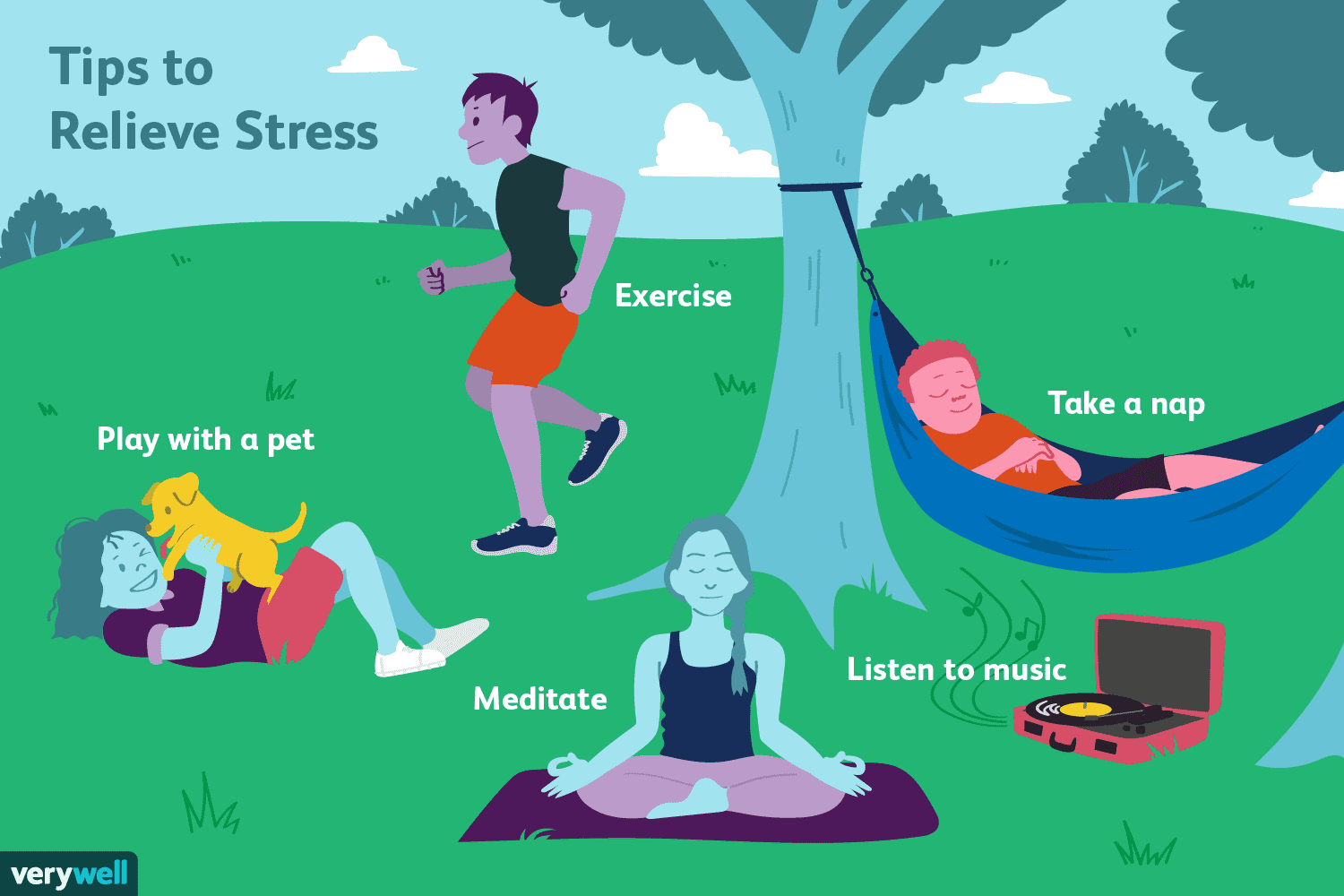
In the middle of another chaotic Tuesday in 2026, with notifications pinging from every direction and deadlines stacking up like unpaid bills, I found myself staring at the same email for the tenth time without actually reading it. My shoulders were tight, my mind was racing, and that familiar knot in my stomach was back. Sound familiar? If you’re nodding along right now, you’re not alone. Life has a way of piling on the pressure, especially these days when everything feels accelerated by technology and constant connectivity. That’s why I was relieved to stumble across the 2026 Health Guide, a comprehensive collection put together by wellness experts drawing from the latest research at places like the World Health Organization and various university labs. It’s not about overhauling your entire routine or buying expensive gadgets. Instead, it focuses on small, doable shifts that fit into real life without adding more stress. The guide emphasizes something refreshing for our times: nervous system regulation through everyday actions that actually stick. No fancy retreats required, just practical ideas you can test out today.
What struck me most was how the guide backs everything with straightforward science from recent studies, mixed with real-world stories from people just like us. It acknowledges that stress isn’t going away, but we can train our bodies and minds to handle it better. Over the next few pages, I’ll walk you through six of the easiest ideas pulled straight from that guide. I’ve tried most of them myself over the past few months, and while none turned me into a zen master overnight, they chipped away at that constant background hum of anxiety in ways I didn’t expect. We’ll cover why each one works, how to actually do it without overthinking, some tweaks for different lifestyles, and even a few pitfalls to watch out for. By the end, you might find one or two that click for you, and that’s the whole point. These aren’t quick fixes for massive crises, but daily tools that build resilience over time. Let’s get into them, starting with something as basic as the air we breathe.
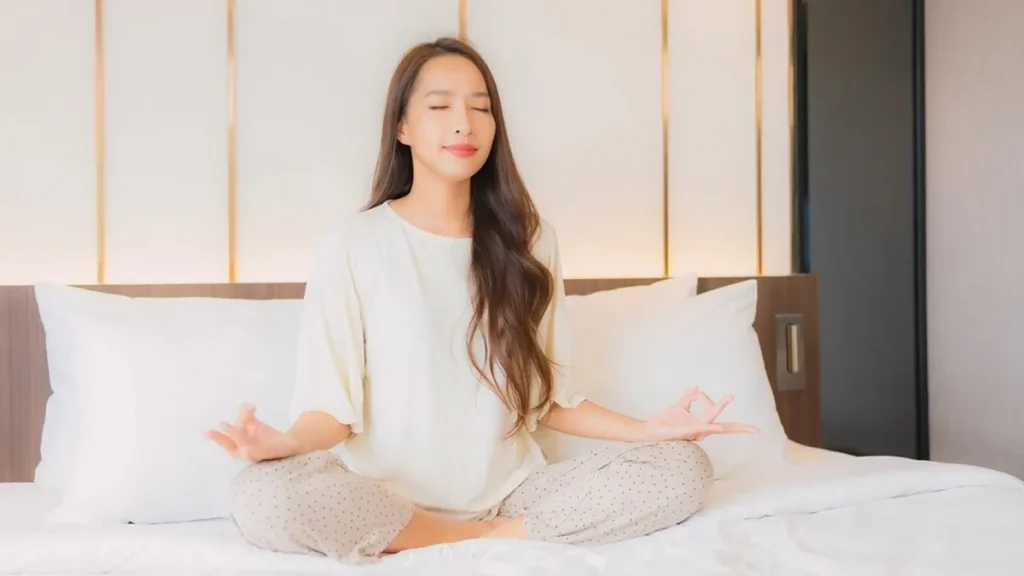
The first idea the guide highlights is what they call the breath focus reset, a simple way to tap into your body’s natural calm button without needing a quiet room or special app. You know how when stress hits, your breathing gets shallow and quick, like you’re gearing up for a sprint even when you’re just sitting at your desk? The 2026 Health Guide explains that this throws your nervous system into overdrive, pumping out cortisol and keeping you wired. But flipping it around with intentional breathing activates the parasympathetic side, the one that says “hey, we’re safe now.” Studies referenced in the guide, including some from Harvard Health updated through 2025 trials, show that just a few minutes of focused breathing can drop heart rate and blood pressure noticeably, sometimes within 60 seconds. It’s not magic; it’s biology. The guide points out that in our always-on world of 2026, where even our smart watches are nagging us about productivity, this technique stands out because it requires zero equipment and can be done anywhere, from a crowded train to a bathroom stall at work.
To get started, the guide lays it out in plain steps that anyone can follow. Sit or stand comfortably, whatever works without drawing attention. Place one hand lightly on your belly if it helps you feel the movement. Inhale slowly through your nose for a count of four, letting your belly rise like you’re filling a balloon. Hold for another four counts, then exhale through your mouth for four, feeling the air leave like a gentle sigh. Pause for four more if you can, and repeat the cycle four or five times. That’s the box breathing variation they recommend for beginners. The key, they stress, is not forcing it or judging yourself if your mind wanders. It will. Mine did the first dozen times I tried. I remember one afternoon stuck in Karachi traffic, horns blaring outside my car window. I closed my eyes at a red light and ran through three rounds. By the time the light changed, my grip on the steering wheel had loosened, and the frustration didn’t carry over into the next meeting like it usually did.
What makes this so effective according to the guide is how it builds on everyday moments. They suggest linking it to habits you already have, like waiting for your coffee to brew or standing in line at the store. One person featured in the guide, a busy parent from Lahore, shared how she started doing it while her kids argued over breakfast. Instead of snapping, she breathed through it and noticed the whole morning felt less explosive. For office workers, the guide recommends setting a subtle phone reminder every couple of hours labeled simply “breathe.” Over weeks, this compounds. Research they cite from 2025 shows consistent practice like this can lower overall anxiety scores by up to 30 percent in non-clinical groups, because you’re teaching your brain that calm is accessible on demand.
Of course, not every day is smooth. The guide warns against a couple of common traps. Don’t expect instant bliss or use it as an excuse to avoid bigger issues like toxic work environments. It’s a tool, not a cure-all. Also, if you have respiratory conditions, check with a doctor first, though the techniques are gentle. Variations include making the counts longer as you get comfortable or adding a quiet word like “calm” on the exhale. For parents or anyone around kids, turn it into a game by teaching them the counts too. I tried that with my niece during her exam prep stress, and watching her little shoulders drop was a reminder of how universal this is. In the guide’s section on 2026 lifestyle integration, they note that with rising remote work and hybrid setups, these micro-resets prevent that afternoon slump better than another cup of tea. Start small, maybe two sessions a day, and track how you feel after a week. You might surprise yourself with how much lighter the weight feels.
Shifting gears, the second idea from the guide is all about micro doses of nature, what they term the outdoor anchor. In a year when urban living dominates and screens claim most of our waking hours, the experts behind the 2026 Health Guide pull from fresh data showing that even brief exposure to green spaces recalibrates our stress hormones faster than we realize. They reference studies from environmental psychology labs in 2025 that measured cortisol drops after just ten minutes outside, especially when you engage your senses beyond just walking. It’s not about hiking mountains or weekend getaways that most of us can’t swing. This is about finding pockets of the natural world right where you live, whether that’s a balcony plant, a neighborhood park, or even staring at a tree from your window if that’s all you’ve got.
The how-to part is refreshingly low-pressure. Step outside or to a window for five to fifteen minutes. Notice five things you can see, like the way leaves move or clouds shifting. Then four you can touch, maybe the texture of bark or grass underfoot if possible. Three sounds, two smells, and one taste if you’re sipping water. This sensory grounding pulls your mind out of rumination loops. The guide explains it activates the same brain pathways as longer forest bathing practices but in bite-sized chunks perfect for busy schedules. One story in the guide comes from a software developer in a high-rise apartment who started taking his lunch to a tiny rooftop garden. Within a month, his sleep improved and he stopped reaching for snacks out of stress. The science ties back to how nature exposure boosts serotonin and lowers inflammation markers, things we hear about but rarely connect to something as simple as stepping out.

I gave this a real shot during a particularly rainy stretch last winter. Instead of scrolling through feeds during breaks, I’d stand on my balcony and just watch the rain on the leaves of the potted plant my neighbor gave me. At first it felt silly, like I was wasting time. But after a week, those ten minutes became something I looked forward to. The guide suggests customizing it: for city folks, seek out street trees or public benches; for parents, combine it with playground time by actually looking at the sky instead of your phone. They even have a tip for winter or extreme weather: bring nature inside with a houseplant and use the same sensory check-in. Common mistakes? Rushing through it while mentally listing to-dos, or skipping on bad weather days. The guide counters that by saying consistency beats perfection, and even a rainy window view counts if you focus.
Longer term, the benefits stack in surprising ways. Regular micro nature doses, per the guide’s cited research, correlate with better focus at work and fewer tension headaches. For someone juggling family and job like me, it became a reset button that made evenings feel less drained. If you’re skeptical, the guide invites a two-week trial: note your stress level on a one-to-ten scale before and after each session. Mine went from a consistent seven down to four or five most days. It’s one of those ideas that sounds too basic to work until you actually commit. And in 2026, with wellness apps tracking everything else, this one stands out for needing nothing but your attention.
Third on the list is something that caught me off guard at first: using sound, specifically singing or belting out tunes, as a daily stress buster. The 2026 Health Guide dedicates a whole section to it, drawing from recent BBC-reported studies and neuroscience papers showing how singing lights up multiple brain areas at once, releasing endorphins while syncing breath and movement in a way that mimics meditation but feels way more fun. It’s aerobic, immune-boosting, and pain-suppressing all rolled into one, and the group aspect adds social benefits if you can manage it. But the guide makes it accessible for solo practitioners too, emphasizing that you don’t need talent or a good voice. Just volume and commitment.
Practically, they suggest carving out three to five minutes a couple times a day. Pick a favorite song, one that lifts your mood rather than drags it down, and sing along full throttle. In the car, shower, or while folding laundry works fine. The guide walks through why it works: the controlled breathing involved calms the vagus nerve, that key regulator of stress responses we’ve heard more about in recent years. A 2025 trial they reference found participants who sang regularly reported 25 percent lower perceived stress after four weeks compared to those who just listened. One example in the guide features a retired teacher who started singing old folk songs while cooking dinner. Her family joined in eventually, turning mealtime from rushed to connected, and her blood pressure readings improved at her next checkup.
I was doubtful until I tried it during a stressful deadline week. Alone in my kitchen, I put on an old favorite track and sang like no one could hear, which they couldn’t since the windows were closed. By the chorus, I was laughing at my own off-key notes, and the tightness in my chest had eased. The guide warns against overthinking lyrics or pitch; the point is the physical act. Pitfalls include choosing downbeat songs that reinforce negativity or forcing it when you’re around others who might not appreciate the noise. Solutions? Headphones and private spaces, or low-key humming if volume isn’t possible. For 2026 lifestyles, they suggest syncing it with commutes or chores, turning mundane tasks into mini concerts.
Variations keep it fresh: try group singing via online karaoke apps if isolation is the issue, or pair it with movement like dancing around the room. The cumulative effect, according to the guide, includes better heart health and even some brain repair mechanisms from the aerobic component. It’s one of the more joyful ideas in the bunch, reminding us that stress relief doesn’t always have to feel like work. If nothing else, it breaks the cycle of silent suffering many of us fall into.
The fourth idea centers on what the guide calls movement snacks, short bursts of physical activity scattered throughout the day instead of one big gym session that never happens. In our 2026 reality of desk jobs and endless virtual meetings, sitting for hours spikes stress chemicals while stiffening muscles. The guide pulls from exercise physiology updates showing that even five minutes of movement releases endorphins, improves circulation, and interrupts the cortisol loop more effectively than waiting for the perfect workout window. It’s backed by data from the National Institute of Mental Health and similar bodies, highlighting how light activity rivals longer sessions for mood boosts in everyday people.
Implementation is dead simple. Stand up every hour or so and do something: march in place, stretch your arms overhead, do ten wall push-ups, or take a brisk walk around the block. The guide provides sample sequences, like the 60-second full-body shake-out where you jiggle your limbs loose, or neck rolls combined with deep breaths. They emphasize listening to your body, no pain allowed. A featured story involves an accountant who hated traditional exercise but started doing shoulder shrugs and ankle circles during calls. His back pain faded, and colleagues noticed he seemed more patient in discussions.
Personally, this one transformed my afternoons. Instead of powering through fatigue with caffeine, I’d step away for a quick lap around the apartment complex or some gentle yoga poses from memory. The guide stresses tying snacks to triggers, like after sending an email or finishing a task. Avoid the trap of all-or-nothing thinking, where you skip because five minutes feels pointless. Research they cite proves otherwise: cumulative small movements lower overall stress markers better than sporadic big efforts. For families, make it playful with kids, like a dance break. Office versions include standing desks or hallway laps. Over time, the guide notes improved sleep, sharper focus, and even weight management bonuses without dieting pressure. It’s practical for every age and fitness level, proving you don’t need hours to feel the difference.
Next up is progressive muscle relaxation, or PMR, a technique the guide revives with 2026 tweaks for modern attention spans. It involves tensing and releasing muscle groups one by one to release stored tension you might not even notice. Harvard and other sources the guide references show it reduces anxiety by heightening body awareness and training the relaxation response. In an era of constant low-grade tension from poor posture and digital strain, this stands out as a quick wind-down tool.
The steps are straightforward and take about ten minutes. Start at your feet: curl your toes tight for five seconds, then release and notice the difference. Work up through calves, thighs, stomach, chest, arms, hands, neck, and face, tensing each for five counts before letting go. Breathe steadily throughout. The guide suggests doing it lying down before bed or seated during a break. A nurse profiled in the guide used it during night shifts and reported fewer headaches and better mood stability.
I incorporated it after long screen days, and the release in my jaw and shoulders was immediate. The guide cautions against tensing injured areas and recommends starting slow if you’re new. Pitfalls include rushing the release phase or expecting dramatic results immediately. Variations: shorten to five minutes focusing on problem spots like neck and shoulders, or guide yourself with a free audio track. In 2026 terms, pair it with wearable reminders for consistency. The long game brings deeper sleep and emotional regulation, making it a favorite for parents and shift workers alike.
Finally, the sixth idea is building daily gratitude anchors combined with light social connection, something the guide frames as emotional nutrition for the nervous system. Amid 2026’s information overload, writing three things you’re thankful for or sharing one with a friend shifts focus from threats to positives. Backed by journaling studies and social psychology research, it lowers rumination and boosts resilience.
Do it by keeping a simple notebook or phone note: jot three specifics each evening, like “the warm tea that hit right” instead of vague “family.” Then, once a week, text or call someone to share one. The guide’s example features a remote worker who started this and felt less isolated within weeks. Science shows it increases dopamine and strengthens relationships, buffering stress.
I started small, and noticing the little wins changed my outlook gradually. Avoid forcing positivity during real hardship; the guide says authenticity matters. Variations include voice notes for busy folks or group family shares. Common slip: skipping on tough days, but that’s when it helps most. Integrated, it fosters a calmer baseline, proving small connections compound beautifully.
Wrapping this up, the 2026 Health Guide doesn’t promise perfection, just progress through these accessible ideas. Pick one, experiment for a couple weeks, and layer in others as they fit. Stress might not vanish, but its grip loosens. Give yourself grace in the process. You’ve got this, one breath, one step, one note at a time. The real win is showing up for yourself consistently, and these tools make that easier than ever.