
Living in Karachi in early 2026, with the heat already building and traffic turning every commute into a slow cooker, I’ve been hunting for ways to stay fit without adding more chaos to my days. Gym memberships feel like a luxury when you’re juggling work calls, family time, and the occasional power outage that kills your motivation. That’s when I dug into the latest 2026 Health Guide, compiled by a mix of trainers, physiologists, and longevity researchers who seem to have finally moved past the hype of extreme challenges and toward stuff that actually works in real life. This isn’t about six-pack promises or 30-day transformations that fizzle out. The experts in this guide focus on subtle tweaks—hacks, really—that build strength, energy, and resilience without demanding hours you don’t have.
What makes these eight stand out is how grounded they are in recent data from places like the American College of Sports Medicine’s annual trends report and studies on wearable tech integration. They acknowledge that most of us aren’t elite athletes; we’re regular people dealing with desk jobs, inconsistent sleep, and the pull of endless scrolling. The guide stresses personalization through simple tracking, recovery as non-negotiable, and training that supports long-term health rather than short-term vanity. I’ve tested a few of these over the past couple of months, tweaking them to fit my humid evenings and limited space, and the difference shows in how I feel during the day—not exhausted, but capable. Let’s walk through each one, with the why, the how, some Karachi-specific adaptations, and the little pitfalls I’ve run into so you can sidestep them.
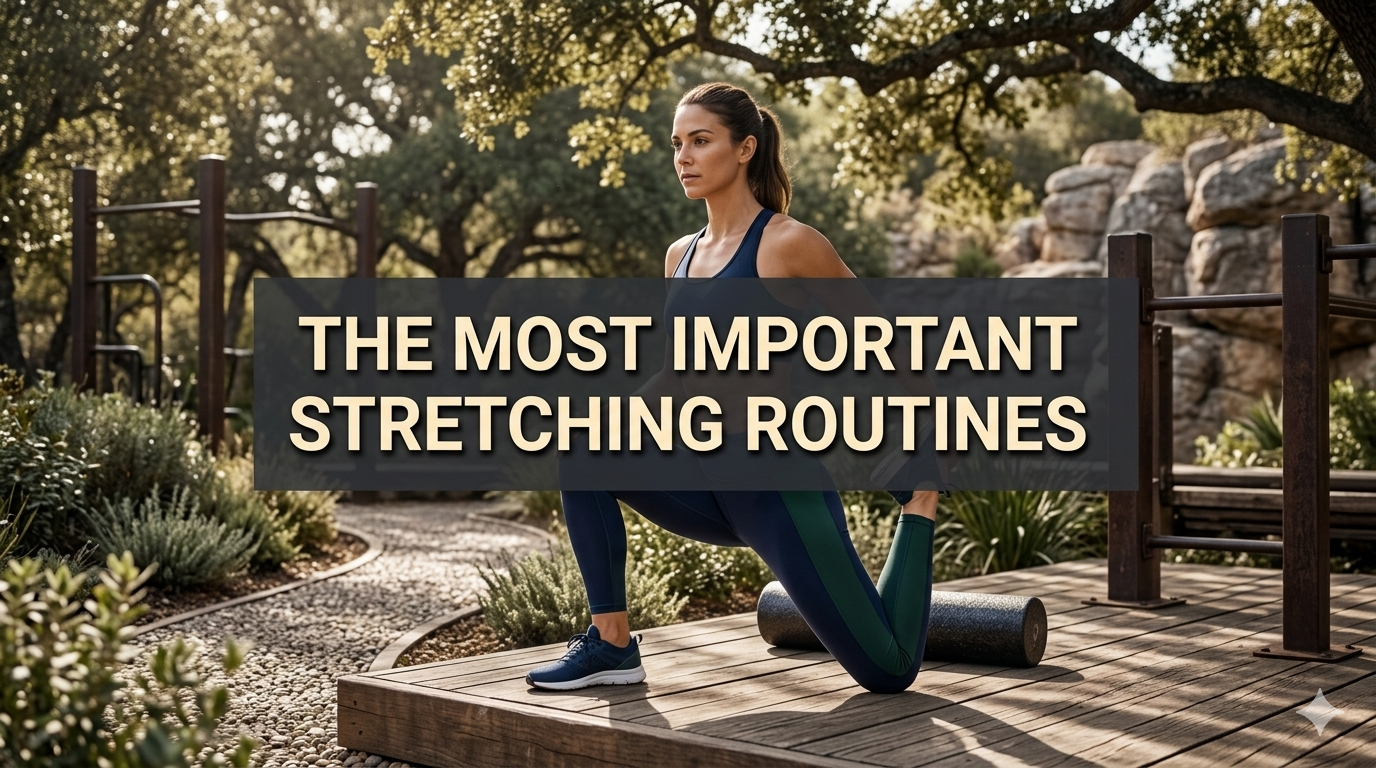
The first hack the experts call “Zone Zero priming,” a gentle daily movement ritual that resets your nervous system before anything intense. In 2026, with everyone talking about burnout and cortisol overload from constant notifications, this low-key approach has gained traction. The idea comes from updated research showing that short, intentional low-intensity sessions—like stretching, light mobility, or restorative poses—improve mitochondrial function and reduce inflammation markers more effectively than jumping straight into high effort when you’re already wired. It’s called Zone Zero because it’s below even easy cardio zones, basically active rest that primes the body for better performance later.
To do it, spend five to ten minutes first thing or mid-afternoon on simple flows: cat-cow stretches on the floor, neck circles, hip openers, and slow arm swings. Breathe deeply through the nose, exhale longer than inhale. The guide suggests doing this barefoot if possible to engage foot proprioception. I started this during my morning chai break, rolling out a mat on the balcony as the call to prayer echoed. At first it felt pointless—why not just jump into push-ups? But after a week, my shoulders weren’t as hunched by evening, and when I did add strength work later, it felt smoother, less forced. One expert quoted in the guide, a trainer who works with shift workers, said this hack cut client injury rates by noticing tightness early.
Common mistake: rushing or turning it into another to-do list item. The guide warns to keep it playful—put on soft music or do it while watching the street below. For hot Karachi days, move indoors with a fan; humidity makes deep breathing tougher, so shorten to five minutes if needed. Over time, this builds a baseline of calm movement that makes everything else easier. It’s not flashy, but it’s foundational.
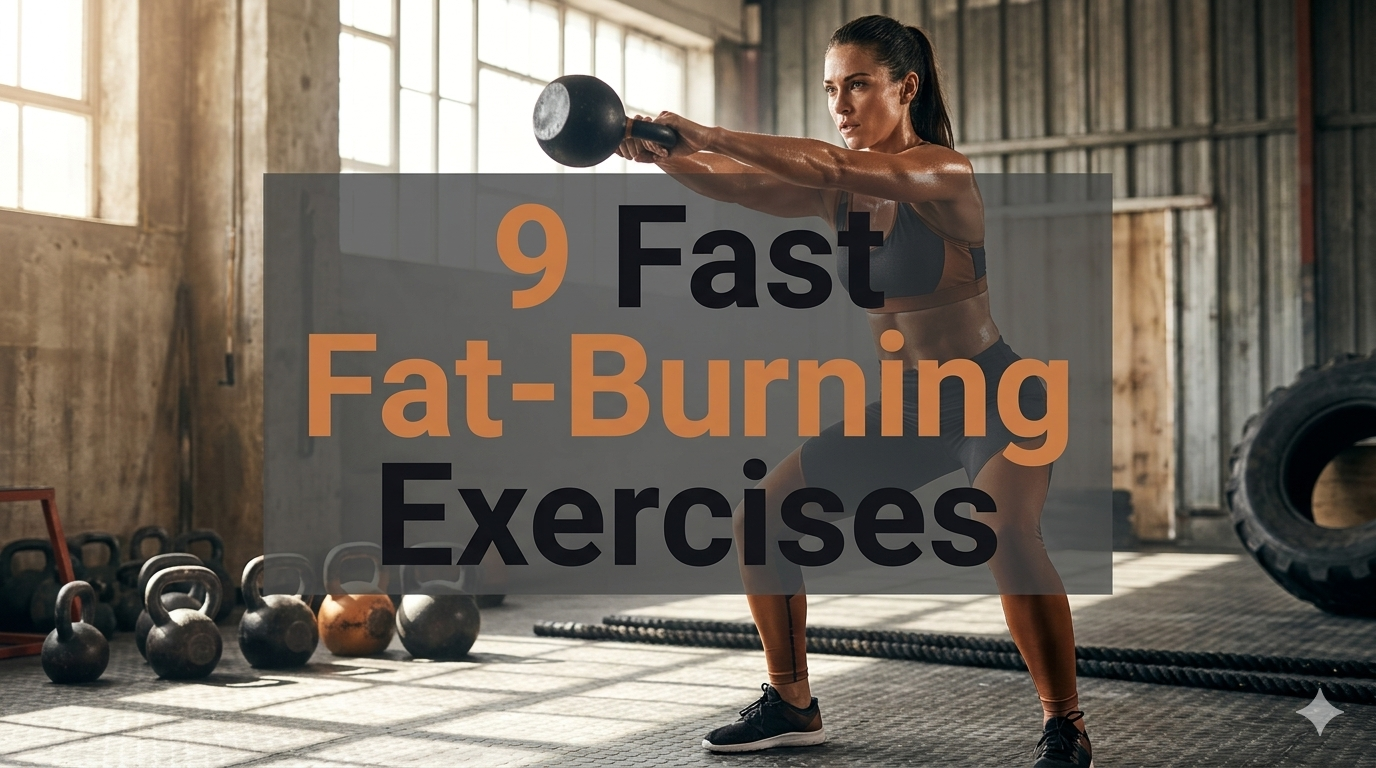
Second hack revolves around “reverse order training,” doing strength before cardio in the same session. Conventional wisdom used to say cardio first to burn fat, but newer studies the guide cites from 2025 physiology journals show that lifting weights first preserves muscle, boosts metabolism longer post-workout, and improves overall endurance because you’re fresher for heavy lifts. This is especially useful for busy folks who squeeze workouts into lunch breaks or evenings.
How to apply it: If you walk or cycle for cardio, do your resistance work—bodyweight squats, push-ups, rows with water bottles—first for 15-20 minutes, then go for your brisk walk. I tried this during my evening strolls around the neighborhood park. Instead of starting with the walk and feeling too tired for proper form on squats, I did circuits at home first: three rounds of ten squats, ten push-ups, ten inverted rows using a sturdy doorframe. Then I headed out feeling strong, and my pace actually increased without extra effort. The guide references data showing this order can increase fat oxidation by up to 20 percent in mixed sessions.
Adapt for Karachi: Use household items for weights to avoid gym trips in peak heat. Watch for overdoing it—start with shorter strength portions if you’re new. Pitfall: skipping the warm-up; the experts insist on a minute or two of marching in place before lifting. This hack saved my consistency during Ramzan fasting windows last month—quick strength at home, then a gentle walk after iftar.
Third is the “protein timing window,” but not the old anabolic window myth. The 2026 guide updates it with fresh research emphasizing spreading protein evenly across meals rather than slamming it post-workout. With rising interest in longevity, experts highlight how consistent intake supports muscle repair overnight and stabilizes blood sugar, reducing cravings. Aim for 20-30 grams per meal, including breakfast.
Practical steps: Add eggs or lentils to breakfast, chicken or paneer at lunch, fish or daal at dinner, and a handful of nuts or yogurt as snacks. I started tracking loosely on my phone—surprised how low my mornings were before. One tweak that worked: a small shake with milk and peanut butter mid-afternoon to bridge lunch and dinner. The guide shares a story of a desk worker who added this and dropped stubborn belly fat without cutting calories, thanks to better satiety.
In local context, use affordable sources like chickpeas, yogurt, or affordable chicken. Avoid the trap of protein bars loaded with sugar; stick to whole foods. This hack quietly improved my energy during long office hours—no more 4 p.m. crashes.
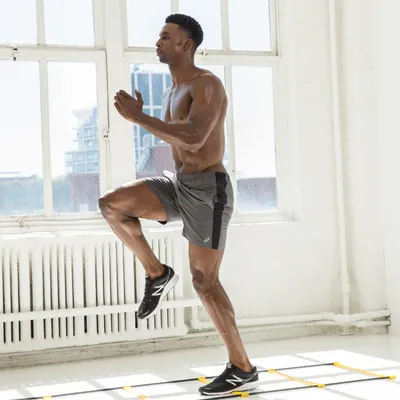
Fourth hack: “micro-sauna sessions” via heat exposure at home. With infrared trends and recovery focus in 2026, the guide points to benefits like improved circulation, detoxification through sweat, and better sleep from mild heat stress. Not everyone has access to fancy saunas, so they recommend hot baths or layered clothing walks in warm weather.
Do 15-20 minutes in a hot bath with Epsom salts or bundle up for a brisk walk in the evening heat. I tried post-workout baths—fill the tub hot, add a book, soak. Heart rate rises gently, sweat pours, then a cool shower after. Studies they cite show this boosts growth hormone and aids recovery similar to traditional saunas. In Karachi’s climate, outdoor heat walks count too—just hydrate heavily.
Caution: Don’t overdo if you have heart issues; start shorter. I noticed deeper sleep and less next-day soreness after incorporating twice weekly.
Fifth is “hybrid athlete mindset,” blending strength, cardio, and mobility in short weekly blocks instead of specializing. The guide draws from polarized training data—80 percent easy, 20 percent hard—but adds mobility daily. This prevents imbalances and builds versatile fitness for life.
Structure: Three strength days, two easy cardio (walks), one harder interval session, mobility every day. I adapted to evenings: Monday/Wednesday/Friday bodyweight strength, Tuesday/Thursday long walks, Saturday intervals like hill sprints in the park. Sunday rest with yoga. This variety kept boredom away and improved my overall stamina.
Pitfall: Trying to do too much too soon. The guide says scale to your level—consistency over volume.
Sixth hack: “nervous system hygiene” through deliberate breath and cold exposure. With stress high in urban life, experts push vagus nerve stimulation via cold showers or humming/singing during cool-downs.
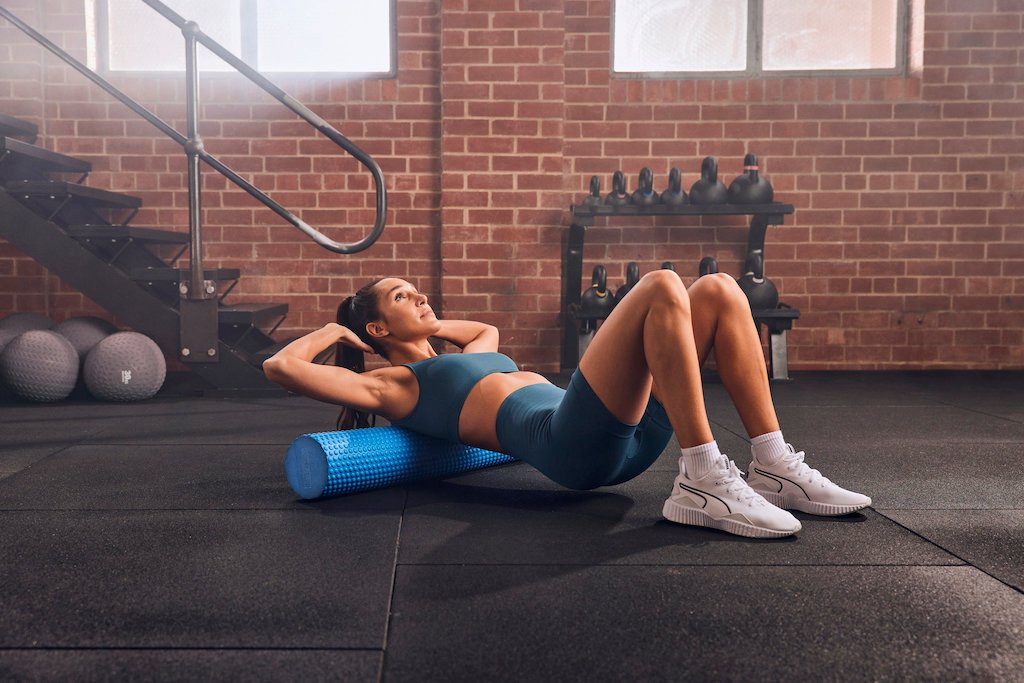
Try 30-second cold shower finishes or box breathing post-workout. I end showers cold for the last minute—shocking at first, but energizing. Combined with humming while stretching, it calms racing thoughts after busy days.
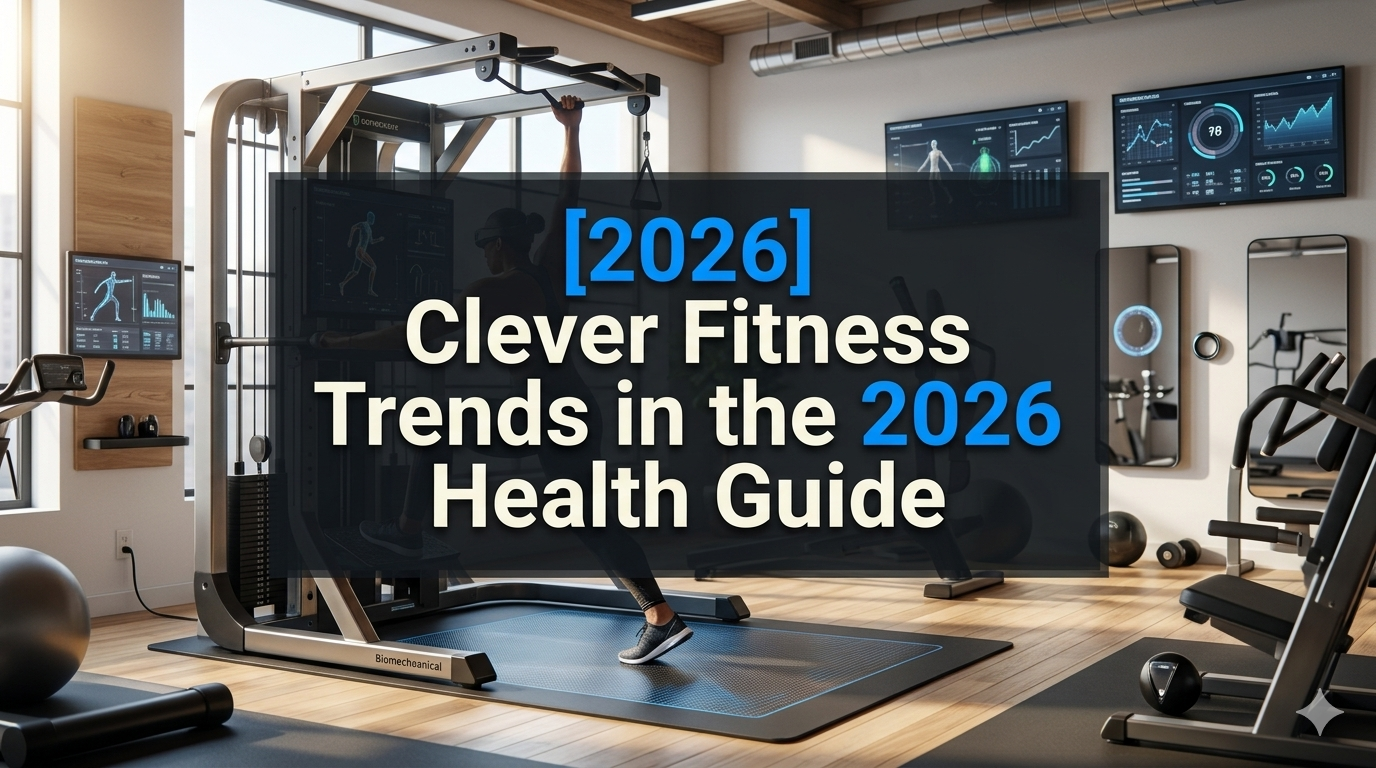
Seventh: “wearable-guided recovery,” using basic trackers for HRV and sleep to decide workout intensity. 2026 wearables are smarter, but even phone apps work. Check morning readiness—if low, do light or rest.
I use a budget band to monitor—on poor sleep days, I swap heavy for walks. This prevented overtraining and kept progress steady.
Eighth and final: “contemplative fueling,” eating mindfully with focus on whole foods and social meals. Shift from calorie obsession to enjoying nutrient-dense plates slowly.
Plate veggies first, protein next, carbs last; eat with family when possible. This improved digestion and satisfaction—no more mindless snacking.
These hacks aren’t revolutionary alone, but combined, they create sustainable fitness. In Karachi’s pace, they fit without upheaval. Start with one or two, track how you feel, adjust. The 2026 guide reminds us: fitness is about thriving long-term, not burning out fast. Small secrets add up to big changes—one deliberate step at a time.