Food is medicine. And that’s not just a catchy phrase — it’s true, and backed by decades of science.
Every single day, what you eat builds your body up or breaks it down. And in 2026, when chronic disease, fatigue and inflammation are increasing, the food on your plate is more important than ever.
The good news? You don’t need a fancy prescription or an expensive wellness regimen. Some of the most potent health weapons on Earth are sitting in your grocery store.
We are talking superfoods — natural whole foods that are packed with vitamins, minerals, antioxidants and nutrients that the body simply loves.
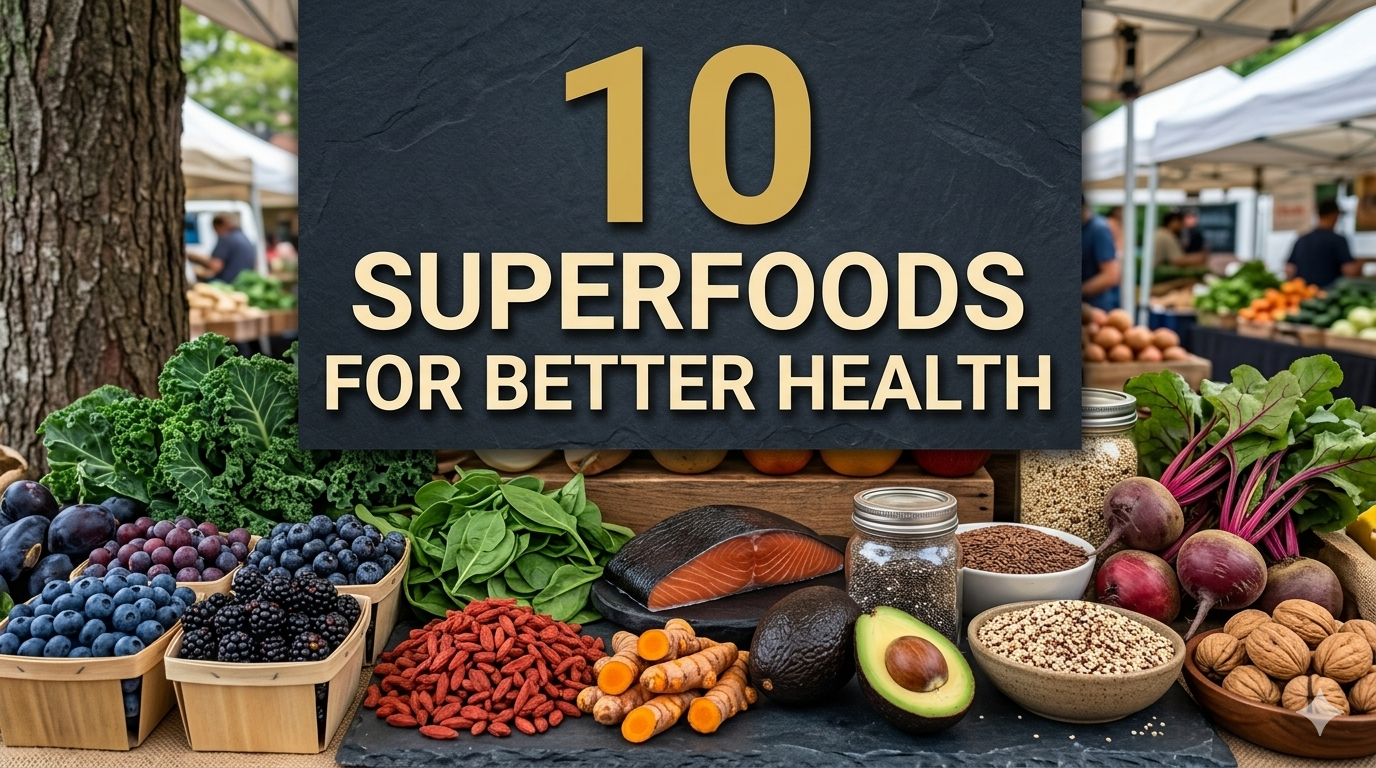
This guide outlines the 10 powerhouse superfoods that you should be adding into your diet for life. They are all backed by real science, readily accessible and easy to incorporate into your meals.
Let’s dive in.
So What Makes a Food “Super” Anyway?
“Superfood” is an overused term. But what does that really mean?
A superfood isn’t a magic trick. It’s just a food that offers an extraordinarily large number of nutrients for any particular amount of calories it contains. These types of foods are typically high in antioxidants, fiber, healthy fats, vitamins and minerals — the things our body needs to function optimally.
Instead of trends, superfoods are treated as everyday essentials in the 2026 Health Guide for Better Health. The mission is straightforward: eat wisely, feel good and live longer.
Superfood #1 — Blueberries: Little Berries With Big Power
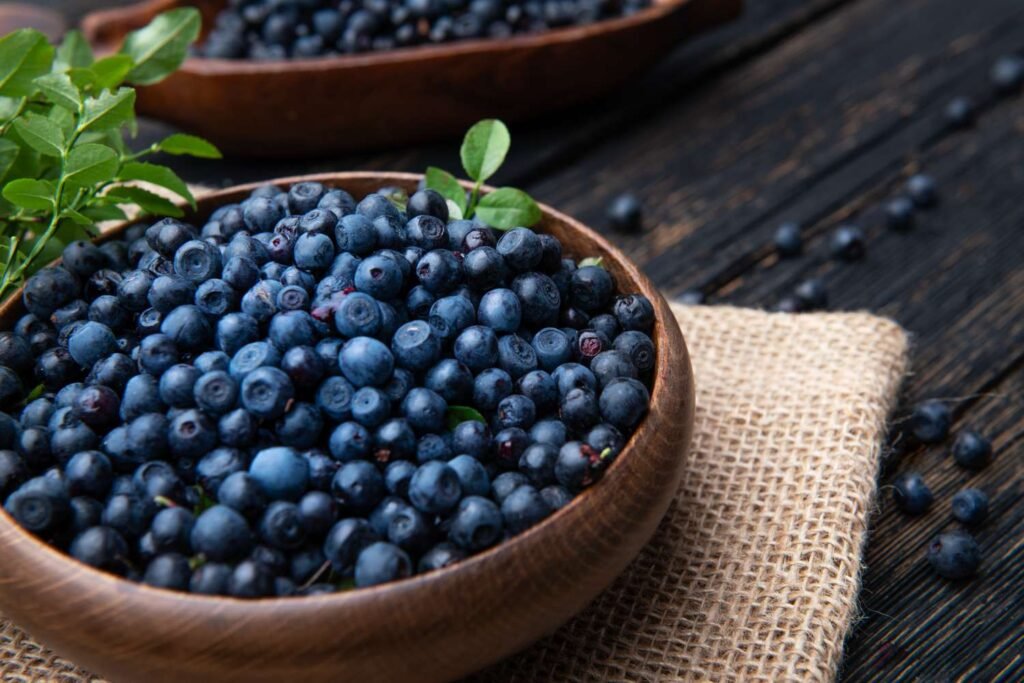
Do not let their petite size deceive you. Blueberries rank as one of the most nutrient-dense foods on Earth.
They are rich in antioxidants — specifically a class known as anthocyanins. These are the pigments that colour blueberries deep blue. Even more importantly, they help preserve your cells from damage caused by free radicals.
What Blueberries Do for Your Body
- Sharpen memory and brain function
- Lower blood pressure naturally
- Reduce inflammation throughout the body
- Support heart health
- Help regulate blood sugar levels
Researchers found in a study published in the American Journal of Clinical Nutrition that people who regularly consumed blueberries had an almost 20 percent lower chance of developing heart disease.
One cup of blueberries contains:
| Nutrient | Amount |
|---|---|
| Calories | 84 |
| Fiber | 3.6g |
| Vitamin C | 14mg |
| Vitamin K | 28mcg |
| Manganese | 0.5mg |
| Antioxidants | Among the highest of all fruits |
Easy ways to eat more: Add them to oatmeal, blend them into a smoothie or snack on them straight from the bowl.
Superfood #2 — Salmon: The Healthiest of the Healthy Fats
Salmon is about the healthiest food you can eat. Period.
It’s packed with omega-3 fatty acids — healthy fats that your body can’t create on its own. You must obtain them from food. And salmon is one of the world’s best sources.
Why Omega-3s Are So Important
Omega-3 fatty acids do a lot of heavy lifting in your body. They are anti-inflammatory, promote brain health, benefit your heart and improve mood.
Low omega-3 levels have been linked by research from the National Institutes of Health to depression, cognitive decline and greater risk of cardiovascular disease.
Salmon at a Glance
| Nutrient | Per 3.5 oz (100g) Serving |
|---|---|
| Calories | 208 |
| Protein | 20g |
| Omega-3 Fatty Acids | 2.3g |
| Vitamin B12 | 127% of daily value |
| Vitamin D | 97% of daily value |
| Selenium | 85% of daily value |
Make a point of eating salmon at least twice a week. If fresh salmon is out of your budget, canned wild-caught salmon can be an excellent and inexpensive substitute.
Superfood #3 — Spinach: The All-Doing Green
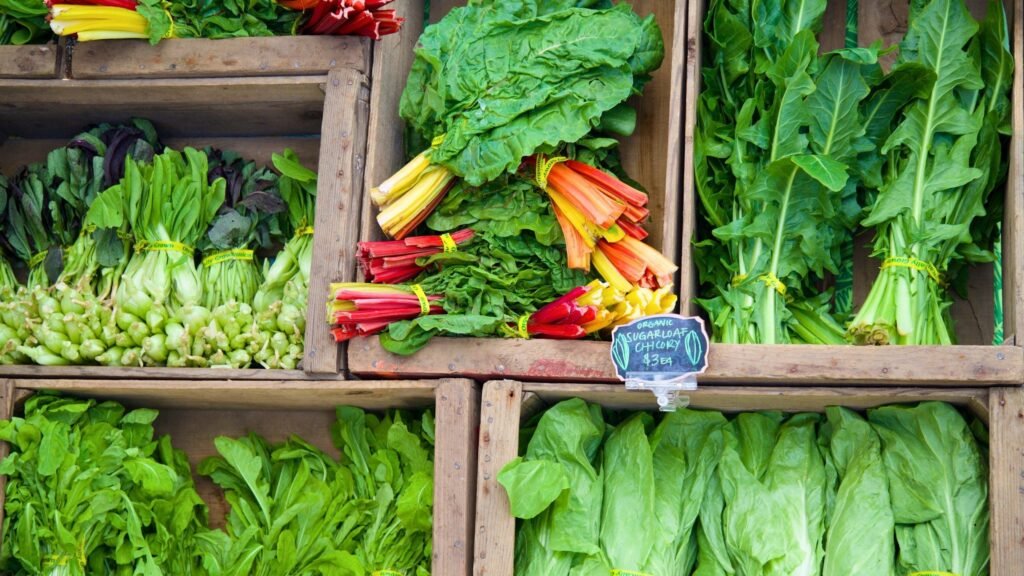
Popeye was onto something. Spinach is one of the most versatile and nutritious vegetables you can put on your plate.
It’s low in calories but loaded with nutrients. One cup of raw spinach delivers a decent dose of iron, folate, vitamin K and vitamin A — without racking up more than 10 calories.
Spinach and Your Health
Brain health: Spinach is high in folate and lutein, both of which have been associated with slower cognitive decline as you get older.
Bone strength: Spinach is an important source of vitamin K, which contributes to bone formation and calcium regulation.
Eye protection: Lutein and zeaxanthin — two antioxidants present in spinach — protect your eyes from damage caused by blue light and UV rays.
Heart helper: Spinach contains nitrates, which help ease blood vessels and reduce blood pressure.
How to eat more spinach:
- Toss a handful into your morning smoothie (you won’t taste it)
- Use it as a base for salad instead of lettuce
- Mix it into soups, pasta or scrambled eggs
- Sauté it with garlic and olive oil as a side dish
Superfood #4 — Avocado: The Brain Food
Yes, avocado is a fruit — botanically speaking. And it’s one of the quirkiest as well — since it is rich in healthy fats, not sugar.
Avocados are composed primarily of fat: 77% of the calories come from dietary fats. But don’t be scared of that. They are monounsaturated fats — the same type that you find in olive oil — and they’re incredibly good for you.
The Avocado Advantage
| Health Benefit | How Avocado Helps |
|---|---|
| Heart health | Reduces LDL (bad) cholesterol, increases HDL (good) cholesterol |
| Brain power | Rich in healthy fats that make up brain cell structure |
| Nutrient absorption | Helps your body absorb fat-soluble vitamins (A, D, E, K) |
| Weight management | High fiber and fat content keep you fuller longer |
| Blood pressure | High potassium content regulates blood pressure |
An avocado has more potassium than a banana. It’s also high in fiber, B vitamins and vitamin E.
Simple ways to add avocado: Spread on toast, slice into salads, mash as guacamole or blend into a smoothie for creaminess.
Superfood #5 — Turmeric: A Golden Spice From the Ancients
Turmeric is a spice that has been used in traditional medicine for thousands of years. And come 2026, modern science is finally catching up with what ancient healers already knew.
The secret ingredient? Curcumin — the active ingredient in turmeric that gives it that vivid gold hue.
What Curcumin Does for You
Curcumin is among the most potent natural anti-inflammatory molecules ever studied. Chronic inflammation has been linked to nearly every major disease — heart disease, cancer, diabetes, Alzheimer’s and others. One of the smartest things you can do is fight it with food.
Studies show that curcumin can:
- Reduce joint pain and stiffness
- Increase brain function and reduce risk of brain disease
- Reduce markers of inflammation in the blood
- Support liver health and detoxification
- Act as a natural antidepressant
One key tip: Curcumin is poorly absorbed alone. Never forget to combine turmeric with black pepper. The piperine found in black pepper increases curcumin absorption by as much as 2,000%.
How to use turmeric:
- Stir it into soups, stews or curries
- Mix it into rice or roasted vegetables
- Use turmeric, black pepper and warm milk to make a golden milk latte
- Blend it into a smoothie
Superfood #6 — Greek Yogurt: Probiotics in a Cup
One of the most underrated superfoods on the market is Greek yogurt. It resembles an ordinary breakfast food. But contained in that creamy cup is a power pack of protein, calcium and live bacterial cultures that your gut loves.
The Gut-Health Connection
Your gut contains trillions of bacteria — a group known as the gut microbiome. When your gut is healthy, everything else works better. Your digestion improves. Your immune system strengthens. Your mood lifts.
Greek yogurt is packed with probiotics — live beneficial bacteria that populate and sustain your gut microbiome.
Greek Yogurt vs. Regular Yogurt
| Feature | Greek Yogurt | Regular Yogurt |
|---|---|---|
| Protein (per cup) | 17–20g | 9g |
| Carbohydrates | Lower | Higher |
| Calcium | High | Moderate |
| Probiotics | High | Moderate |
| Thickness | Thick and creamy | Thinner |
| Sugar content | Lower (plain) | Often higher |
Always choose plain, unsweetened Greek yogurt. Flavored varieties are often loaded with added sugar, which negates many of the benefits.
How to eat it: Enjoy it with berries and honey, use it as a sour cream substitute, blend it into smoothies or stir into salad dressings.
Superfood #7 — Walnuts: The Brain-Shaped Nut That Feeds Your Mind
Walnuts resemble tiny brains — and not by accident. They might be one of the best foods to eat for your brain health.
Walnuts are the only tree nut to contain a significant amount of alpha-linolenic acid (ALA) — a type of plant-based omega-3 fatty acid. They’re also high in polyphenols, vitamin E, magnesium and copper.
What a Small Handful of Walnuts Can Do
- Improve memory and concentration
- Calm inflammation in the brain and body
- Lower LDL (bad) cholesterol levels
- Support healthy blood pressure
- Lower your chances of type 2 diabetes
- Promote a healthy gut microbiome
Research out of UCLA showed individuals who regularly consumed walnuts scored significantly better on cognitive tests — including measures of memory, concentration and information-processing speed.
Daily dose: Just 1 ounce (about 14 walnut halves) a day is sufficient to reap the benefits.
Easy ways to eat walnuts:
- Add them to oatmeal or yogurt
- Toss them into salads for crunch
- Fold them into baked goods like banana bread
- Have a small handful as an afternoon snack
Superfood #8 — Sweet Potatoes: Nature’s Energy Bar
Sweet potatoes are one of the healthiest, most satisfying foods on Earth. They are naturally sweet, very filling and packed with vitamins and minerals.
Their vibrant orange color is due to beta-carotene — a powerful antioxidant that your body turns into vitamin A, which promotes eye health, immune function and skin health.
Sweet Potato Nutrition Snapshot
| Nutrient | Per Medium Sweet Potato |
|---|---|
| Calories | 103 |
| Carbohydrates | 24g |
| Fiber | 3.8g |
| Vitamin A | 438% of daily value |
| Vitamin C | 37% of daily value |
| Potassium | 15% of daily value |
| Manganese | 28% of daily value |
Why Sweet Potatoes Beat Regular Potatoes
Sweet potatoes are lower on the glycemic index than white potatoes. This means they trickle sugar into your blood more slowly — giving you steady, lasting energy rather than a fast spike and crash.
They’re also incredibly versatile. You can bake them, roast them, mash them or cut them into fries. They work in both savory and sweet dishes.
Pro tip: Pair sweet potatoes with some healthy fat — think olive oil or avocado — to enhance beta-carotene absorption.
Superfood #9 — Green Tea: Health in a Cup
Green tea has been consumed for over 4,000 years in Asian cultures. It’s one of the most studied beverages in the world — and the research is impressive.
Green tea is high in catechins — a type of antioxidant that’s particularly effective at protecting cells and reducing inflammation.
The Many Benefits of Green Tea
Boosts brain function: Green tea has both caffeine and L-theanine — a rare combination that enhances focus and alertness without the jitters associated with coffee.
Promotes fat burning: Research has revealed that green tea catechins can increase metabolism and fat oxidation.
Protects the heart: Drinking green tea regularly is associated with lower LDL cholesterol, lower blood pressure and reduced stroke risk.
Fights free radicals: The antioxidants in green tea are some of the most powerful found in any food or drink.
Supports blood sugar control: Green tea increases insulin sensitivity and aids in blood glucose management.
Green Tea vs. Other Common Drinks
| Drink | Antioxidants | Caffeine | Sugar | Health Score |
|---|---|---|---|---|
| Green tea | Very high | Low-moderate | None | ⭐⭐⭐⭐⭐ |
| Black coffee | High | High | None | ⭐⭐⭐⭐ |
| Orange juice | Moderate | None | High | ⭐⭐⭐ |
| Soda | None | Moderate | Very high | ⭐ |
| Energy drinks | Low | Very high | High | ⭐ |
How much to drink: The sweet spot for most people is 2–3 cups per day. If you’re sensitive to caffeine, don’t drink it on an empty stomach.
Superfood #10 — Chia Seeds: Tiny Seeds, Huge Benefits
Chia seeds are tiny. But they are nutritional powerhouses.
Just two tablespoons of chia seeds provides 11 grams of fiber, 4 grams of protein and 5 grams of omega-3 fatty acids. For something so small, that’s an extraordinary nutritional profile.
Why Chia Seeds Belong in Your Daily Diet
Fiber superstar: Chia seeds’ fiber nourishes good gut bacteria, delays digestion and keeps you full for hours. This makes them an excellent tool for appetite and weight management.
Bone health: Bones need calcium, phosphorus and magnesium — all of which are plentiful in chia seeds. They have more calcium than most dairy products, gram for gram.
Blood sugar control: The fiber content helps slow down sugar absorption into your bloodstream, preventing blood sugar spikes.
Hydration helper: Chia seeds can absorb 10–12 times their weight in water. This keeps you hydrated and aids digestion.
Chia Seeds Nutrition at a Glance
| Nutrient | Per 2 Tablespoons (28g) |
|---|---|
| Calories | 138 |
| Fiber | 11g |
| Protein | 4g |
| Omega-3 Fatty Acids | 5g |
| Calcium | 18% of daily value |
| Magnesium | 30% of daily value |
| Phosphorus | 27% of daily value |
How to eat chia seeds:
- Mix them into water or juice and soak for 10 minutes
- Stir them into yogurt or oatmeal
- Make chia pudding by soaking overnight in milk
- Blend them into smoothies
- Sprinkle on top of salads or soups
How to Build a Superfood-Powered Plate Every Week
You don’t have to eat all 10 superfoods every day. That’s not realistic — and it’s just not needed.
The aim is to rotate them through your week and establish simple habits that stick. For even more practical guidance on building a healthier lifestyle in 2026, visit Health Benefits 2026 — a great resource for everyday wellness tips and nutrition advice. Here’s an example of what a week of superfood eating could look like:
| Day | Breakfast | Lunch | Dinner | Snack |
|---|---|---|---|---|
| Monday | Oatmeal with blueberries | Spinach salad and salmon | Sweet potato and veggies | Walnuts |
| Tuesday | Greek yogurt and chia seeds | Avocado toast and eggs | Turmeric chicken curry | Green tea |
| Wednesday | Smoothie with spinach and banana | Salmon wrap | Stir-fry with turmeric | Blueberries |
| Thursday | Chia pudding with berries | Walnut salad | Baked sweet potato | Greek yogurt |
| Friday | Avocado eggs and greens | Green tea and spinach soup | Grilled salmon | Chia water |
| Saturday | Blueberry pancakes | Walnut avocado bowl | Turmeric rice and veggies | Walnuts |
| Sunday | Greek yogurt parfait | Sweet potato soup | Salmon and spinach | Green tea |
Small choices, made consistently over time, lead to big results.
FAQs — Your Superfood Questions Answered
Q: Do I have to eat all 10 superfoods to get health benefits? No. You can see a difference just by incorporating 2 or 3 of these into your usual diet. Pick the ones you like best and build from there.
Q: Are superfoods expensive? Some can be, but many turn out to be surprisingly affordable. Spinach, sweet potatoes, canned salmon, chia seeds and walnuts are all on the cheaper end. Purchasing in bulk or opting for frozen varieties can cut costs even more.
Q: Is it safe for children to eat these superfoods? Absolutely. All 10 of these foods are safe and beneficial for children. In fact, the sooner you introduce them to your child, the better — it will help create healthy eating habits for life.
Q: When will I start to feel the effects after including more superfoods in my diet? Some people experience better energy and digestion in only a week or two. Long-term benefits — including a lower risk of disease and improved brain health — accrue over months or years of consistent eating.
Q: Should I eat these foods raw or cooked? It depends on the food. Raw spinach, blueberries, chia seeds and walnuts are fantastic. Salmon, sweet potatoes and turmeric are often better cooked. With most superfoods, either way delivers a great nutritional boost.
Q: Can I get the benefits from supplements instead of whole foods? Whole foods are almost always better than supplements. They contain a complex interplay of nutrients that function together in ways that a pill can’t completely replicate. Supplements can help fill in the gaps, but shouldn’t be a substitute for real food.
Q: How much superfood should I have per day? There’s no strict rule. Aim for at least 2–3 servings of nutritious whole foods at every meal. Over time, it becomes second nature.
Final Thoughts — Let Food Be Your Daily Medicine
The 10 Powerful Superfoods in the 2026 Health Guide for Better Health aren’t rare, hard-to-find foods. They’re real, accessible foods that you can find at almost any grocery store.
Blueberries. Salmon. Spinach. Avocado. Turmeric. Greek yogurt. Walnuts. Sweet potatoes. Green tea. Chia seeds.
Each one brings something unique to the table. Combined, they provide a powerful base for a fuller and healthier life.
You aren’t required to change your whole diet in one day. Just add one or two of these foods to your regular meals this week. Then keep going.
Small changes. Real food. Lasting results.
Your body is counting on you — and now you have the tools to be there for it.