
Have you ever found yourself exhausted even by 2 PM after getting a glorious sleep the previous night?
Do you notice yourself hitting an energy wall at around 2 or 3 p.m. and needing that cup of coffee, muffin or sugary snack just to make it through the next hour?
You’re not alone. Millions of people suffer from low energy — and a vast majority don’t even know that the food they eat (or avoid) is primarily responsible.
The good news? You don’t have to follow a complicated diet plan. You don’t need expensive supplements. And you certainly do not have to forgo the foods you love.
What you really need are a few clever, easy nutrition habits that play nice with your body — not a battle against it.
This 2026 health guide features 7 easy, science-backed nutrition tips that you can follow and implement to transform the way you feel each day.
The Real Reason You’re Always Tired
A simple preface before delving into the tips.
Not all fatigue means you need to sleep. It’s about fuel in a lot of cases.
Your body is fueled by food just as a car runs on petrol. If you don’t fuel it — or if you fill it up with the wrong fuel — the engine falters. You’re plodding, fogged-in, moody and depleted.
The foods you eat throughout the day have a direct control over:
- Your blood sugar levels
- Your brain’s ability to focus
- How quickly your muscles recover
- How effectively your gut absorbs nutrients
- Your mood and mental sharpness
The 2026 health guide rolls up to one big point: Your daily energy flows from your daily nutrition. Get the food right, and the rest — your focus, your mood, your performance — improves as well.
Tip #1 — Eat for Sustained Energy, Not a Quick Hit
Why Sugar Spikes Are Your Worst Enemy
When in need of energy, most people reach for something sweet. A candy bar, a sugary beverage, a pastry. It works — for the first 20 minutes.
Then the crash hits.
Your blood sugar rises quickly, then falls rapidly. When it comes crashing down, you’re worse off than before. That’s the blood sugar rollercoaster, and millions of people ride it every day without even knowing.
The solution is easy: replace fast-burning foods with slow-burning ones.
Fast vs. Slow Energy Foods
| Fast-Burning (Avoid for Energy) | Slow-Burning (Eat More of These) |
|---|---|
| White bread | Oats and whole grains |
| Candy and sweets | Sweet potato |
| Sugary drinks | Brown rice |
| Pastries and donuts | Lentils and legumes |
| Breakfast cereals | Quinoa |
| Fruit juice | Whole fruits |
Slow-burning foods cause glucose to enter your bloodstream gradually. This keeps your energy level steady for 3 to 4 hours instead of spiking and crashing in 30 minutes.
What to Do Starting Today
Swap out one fast-burning food from your daily diet with a slow-burning alternative.
Replace white toast with whole grain. Trade your morning juice for a whole orange. Change your afternoon biscuit for a handful of nuts.
Small swaps. Big energy difference.
Tip #2 — Protein Is the Most Underused Energy Nutrient
Most People Are Not Eating Enough Protein
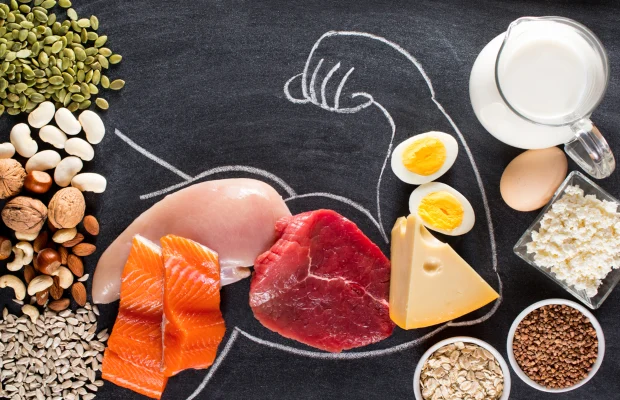
People associate carbohydrates with energy foods. Carbs are important — but protein is the true unsung hero for daily energy.
Here’s why: protein doesn’t only build muscle. It also:
- Keeps you fuller and satiated for longer
- Prevents blood sugar swings
- Helps your brain produce dopamine and serotonin (your focus and happiness chemicals)
- Repairs cells and tissues overnight
When you’re not eating enough protein, your energy crashes, your cravings soar and your focus gets lost.
How Much Protein Do You Really Need?
For the average person, in 2026 we recommend about 0.8 to 1.2 grams of protein per kilogram of body weight. For an active person, the upper end is even higher — up to 1.6 grams per kilogram.
| Body Weight | Minimum Daily Protein | Active Person |
|---|---|---|
| 50 kg | 40–60g | 70–80g |
| 65 kg | 52–78g | 90–104g |
| 80 kg | 64–96g | 110–128g |
| 95 kg | 76–114g | 130–152g |
Best Protein Sources for Daily Energy
You don’t have to eat chicken and eggs at every meal. Protein comes in many forms:
- Animal-based: eggs, Greek yogurt, cottage cheese, chicken, fish, turkey
- Plant-based: lentils, chickpeas, black beans, tofu, tempeh, edamame
- Snack-friendly: hard-boiled eggs, almond butter, cheese, roasted chickpeas
Aim to have a source of protein in every single meal and snack. This single habit can change how you feel all day long.
Tip #3 — Hydration Is a Nutrition Tip, Not Merely a Health Cliché
You Are Probably Being Dehydrated Right Now
This might be the most ignored nutrition advice of all time: water is a nutrient.
Your body is about 60% water. Every single function — digestion, circulation, brain activity, temperature regulation — requires water to operate properly.
Even mild dehydration (losing just 1 to 2% of your body’s water) causes:
- Fatigue and low energy
- Difficulty concentrating
- Headaches
- Slower metabolism
- Heightened feelings of hunger (which is often really thirst)
A 2020 study published in the Journal of Nutrition found that mild dehydration negatively affected mood, concentration and physical performance — even before you become aware of being thirsty.
By the time you feel thirsty, you are already dehydrated.
How Much Water Do You Need?
The rule is simple: drink a minimum of 2 litres (8 glasses) of water a day. If you live in a hot climate or exercise regularly (as a lot of people do across South Asia and the Middle East), aim for 2.5 to 3 litres.
| Sign You’re Dehydrated | Sign You’re Well Hydrated |
|---|---|
| Dark yellow urine | Pale yellow or clear urine |
| Midday headache | Steady energy levels |
| Craving sweets or salt | Stable mood and focus |
| Dry lips and mouth | Healthy skin and digestion |
| Fatigue and brain fog | Sharp mental clarity |
Make Hydration Easy
- Drink a full glass of water upon waking up every morning
- Keep a water bottle on your desk, in your bag or wherever you spend the most time
- If plain water seems tedious, add slices of lemon, cucumber or mint
- Eat water-rich foods like cucumbers, watermelon, oranges and celery
Tip #4 — Never Skip Breakfast (But Make It a Good One)
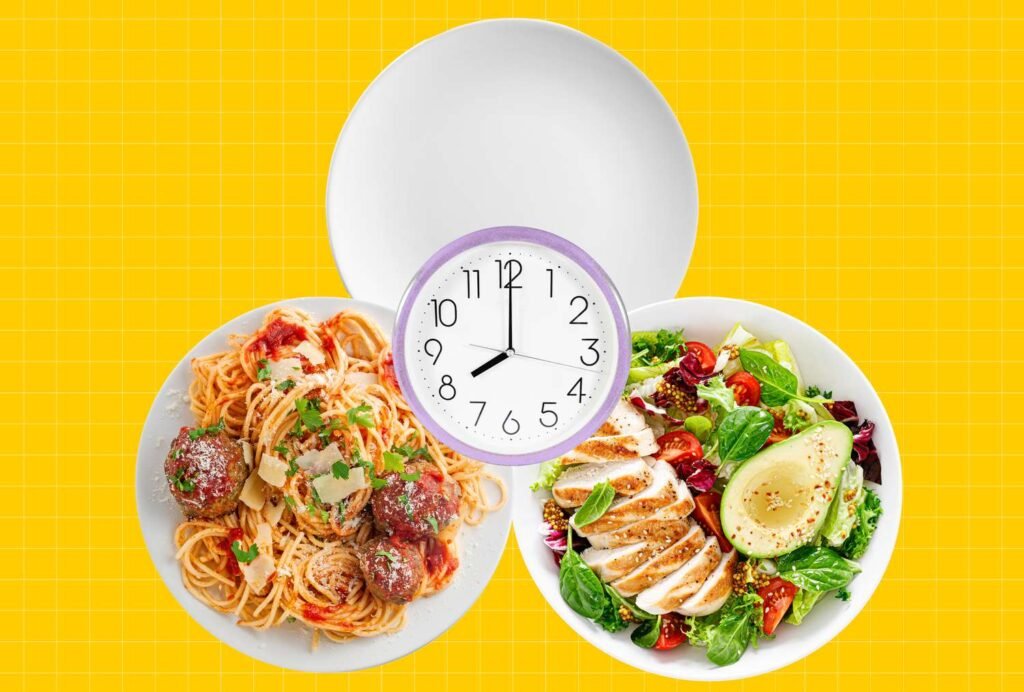
Skipping Breakfast Slows Your Whole Day Down
Many people skip breakfast because they’re not hungry, they’re pressed for time or they think it will help them lose weight.
Here’s the problem: your brain and body are running on empty after 7 to 9 hours of sleep. To skip breakfast is to ask your brain to function without fuel — and it shows.
Research regularly associates breakfast skipping with:
- Lower concentration and memory in the morning
- Higher stress hormone levels
- Increased cravings and overeating later in the day
- Sluggish metabolism
Eating breakfast is not the important part — eating the right kind of breakfast is.
The Wrong Breakfast vs. The Right Breakfast
| Wrong Breakfast | Right Breakfast |
|---|---|
| Sugary cereal + skim milk | Oats + nuts + berries |
| White toast + jam | Whole grain toast + eggs + avocado |
| Flavored yogurt (high sugar) | Plain Greek yogurt + fruit + seeds |
| Fruit juice only | Smoothie with protein + greens + fruit |
| Pastry + coffee | Cottage cheese + cucumber + whole grain crackers |
The ideal breakfast contains protein, healthy fat and fiber. This trio stabilizes blood sugar, maintains fullness and feeds your brain for 3 to 4 hours.
A 5-Minute Breakfast That Does Its Job
You don’t have to make an entire meal every single morning. Here are three quick options:
- Overnight oats — rolled oats + milk or yogurt + chia seeds + banana (make the night before)
- Egg and veggie wrap — scrambled eggs + spinach + whole grain tortilla (10 minutes)
- Smoothie — banana + Greek yogurt + almond butter + a handful of spinach + milk (3 minutes)
All three are rich in protein, fiber and slow-burning carbs. And all three take less time than scrolling through your phone in the morning.
Tip #5 — Heal Your Gut, Heal Your Energy
Your Gut Does More Than Digest Food
Most people think of the gut as simply a food-digesting factory. But in 2026, research on gut health has boomed — and what researchers are discovering is astonishing.
Your gut is home to more than 38 trillion bacteria. These bacteria — known collectively as your gut microbiome — affect everything from your immune system to your mood to your energy levels.
A healthy gut microbiome helps you:
- Absorb nutrients more efficiently
- Produce B vitamins and vitamin K
- Regulate serotonin (90% of which is produced in your gut)
- Keep inflammation low
- Maintain steady energy levels throughout the day
An unhealthy gut — caused by processed food, stress, poor sleep and antibiotics — does the reverse. It makes you lethargic, bloated, cranky and foggy.
For more science-backed wellness tips and daily health strategies, check out Health Benefits 26 — a trusted resource for building a healthier everyday life.
Foods That Heal Your Gut
Probiotic foods (add live beneficial bacteria to your gut):
- Plain yogurt with live cultures
- Kefir
- Kimchi
- Sauerkraut
- Miso
Prebiotic foods (feed and grow the good bacteria already in your gut):
- Garlic
- Onions
- Bananas
- Oats
- Asparagus
- Apples
Simple Gut Health Habits
- Eat 30 or more unique plant foods a week (herbs, spices and various colored vegetables all count)
- Incorporate one fermented food into your daily diet
- Reduce ultra-processed foods, which kill good bacteria in the gut
- Avoid unnecessary antibiotics (always consult a doctor)
- Manage stress — high cortisol directly harms your gut lining
Tip #6 — Snack Wisely to Maintain Your Energy Levels
The Problem With Most Snacks
The vast majority of store-bought snacks are meant to be delicious, not energizing. They’re full of refined carbs, added sugar and unhealthy fats — just the trifecta that sends your blood sugar on a rollercoaster.
But that is not to say you should stop snacking. Consuming small snacks between meals keeps energy levels up, prevents overeating at your next meal and helps keep your focus sharp.
The challenge is knowing what to grab.
The Energy Snack Formula
A great snack combines protein + fiber + healthy fat. This combination digests slowly, keeps you full and delivers energy more gradually.
| Great Energy Snack | Why It Works |
|---|---|
| Apple + almond butter | Fiber + healthy fat + natural sugar |
| Boiled egg + cucumber slices | Protein + water + vitamins |
| Handful of mixed nuts | Healthy fats + protein + magnesium |
| Greek yogurt + berries | Protein + antioxidants + probiotics |
| Whole grain crackers + hummus | Fiber + plant protein + complex carbs |
| Banana + peanut butter | Potassium + protein + slow carbs |
| Carrots + cottage cheese | Fiber + calcium + protein |
When to Snack
When you eat has just as much potential to impact your health as what you consume.
Snack when there’s a gap of more than 4 to 5 hours between meals. Stop snacking out of boredom, stress or habit. Check in with your body first — are you really hungry, or just thirsty?
Drink a glass of water and wait 10 minutes. If you’re still hungry, have a smart snack. If the hunger disappears, it was thirst.
Tip #7 — Avoid the 5 Foods That Silently Rob You of Energy
These Foods Are the Hidden Culprits
You may be making healthy choices at breakfast and lunchtime but still feel depleted. If that sounds like you, the issue may be something you’re eating without knowing it’s bad for you.
Certain foods quietly steal your energy — and most people eat them every single day.
The 5 Biggest Energy Thieves
1. Alcohol Even one or two drinks interrupt your sleep cycle and reduce your energy the next day. It might help you get to sleep faster, but it compromises the quality of deep sleep — the kind that really replenishes you.
2. Ultra-Processed Foods Chips, instant noodles, packaged biscuits and fast food are devoid of nutrients and fiber. They trigger blood sugar spikes, gut damage and inflammation — all of which sap energy.
3. Refined White Flour Products White bread, white pasta and white rice cause a rapid rise in your blood sugar when consumed. The comedown that follows leaves you lethargic and wanting more.
4. Too Much Caffeine Coffee and energy drinks work by blocking adenosine — the chemical that makes you sleepy. But when the caffeine wears off, the adenosine rushes back in and you feel even sleepier than before. More than 3 to 4 cups of coffee a day can also interrupt sleep and heighten anxiety.
5. High-Sugar Drinks Sodas, sweetened teas, sports drinks and juice deliver sugar quickly into your bloodstream. The burst of energy lasts about 15 to 20 minutes. The crash lasts much longer.
| Energy Thief | What It Does | Better Swap |
|---|---|---|
| Alcohol | Disrupts sleep, increases fatigue | Sparkling water + lemon |
| Ultra-processed food | Spikes blood sugar, harms gut | Whole food snacks |
| White flour products | Fast energy crash | Whole grain alternatives |
| Too much caffeine | Sleep disruption, rebound fatigue | Green tea (lower caffeine) |
| Sugary drinks | Blood sugar rollercoaster | Plain water or herbal tea |
Putting It All Together — Your Daily Energy Nutrition Roadmap
You don’t necessarily need to follow a strict meal plan in order to benefit from these tips. What you need is a simple daily structure.
A Sample Energy-Boosting Day
Morning:
- Wake up → drink a full glass of water
- Breakfast: oats + Greek yogurt + mixed berries + a boiled egg on the side
Mid-Morning (if hungry):
- Snack: a handful of almonds + 1 apple
Lunch:
- Brown rice or quinoa + grilled chicken or lentils + a heap of vegetables + olive oil dressing
Afternoon (classic energy slump zone):
- Snack: hummus + whole grain crackers + cucumber
- 1 cup of green tea (not a second energy drink)
Evening:
- Dinner: salmon or tofu + sweet potato + steamed broccoli or spinach
- Close the day with water, not a sugary drink
This isn’t a rigid diet. It’s a pattern. Stick to it 80% of the time and within 2 to 3 weeks you’ll feel how much your energy levels have changed.
The 2026 Nutrition Truth Nobody Talks About
Here’s what the 2026 health guide makes very clear: there is no one superfood, supplement or secret that fixes your energy.
Energy is derived from a variety of consistent habits — what you eat, when you eat, how much you hydrate, how well you sleep and your relationship with stress.
Nutrition is the foundation. Get it right, and everything else in your health journey falls into place.
You don’t need perfection. You need progress. One better food choice today. Another glass of water tomorrow. One smart snack instead of a sugary one next week.
These small, consistent decisions lead to a radically different life.
FAQs — 7 Simple Nutrition Tips From the 2026 Health Guide
Q: When will I feel more energy after changing my diet? A: Most people notice a difference in energy and mood within 3 to 7 days of eating more protein, cutting sugar and drinking more water. More meaningful changes — such as improved sleep, better focus and stable weight — often appear after 3 to 4 weeks.
Q: Should I be taking vitamins or energy supplements? A: For the majority of healthy adults, a balanced diet supplies all the nutrients necessary for daily energy. However, some individuals are low on vitamin D, iron, B12 or magnesium — all of which lead to fatigue. If you remain consistently exhausted even though you’re eating well, ask your doctor to test your blood levels before taking any supplements.
Q: Does intermittent fasting work for energy? A: It’s helpful for some and unhelpful for others. If you skip breakfast without feeling foggy or worn out by mid-morning, intermittent fasting could work for you. But if you’re irritable or exhausted by mid-morning, your body needs fuel earlier in the day. Follow your body, not a trend.
Q: What is the single best food for daily energy? A: There is no one answer — but if forced to choose one category, it would be whole food sources of protein combined with fiber. Eggs, lentils, Greek yogurt and oats are perennial energy food champions because they stabilize blood sugar and offer a wide range of nutrients.
Q: How much coffee is too much? A: General health guidelines recommend no more than 400mg of caffeine per day — about 3 to 4 cups of regular coffee. Exceeding this can interfere with sleep, raise cortisol and create dependency. Switching to green tea in the afternoon is a smarter strategy for staying focused and avoiding the evening crash.
Q: Can eating late at night affect my energy the next day? A: Yes. Eating heavy meals late in the evening disrupts your sleep and that directly impacts your energy levels the next morning. Try to finish your last meal at least 2 to 3 hours before bed. If you feel the need for a late snack, choose something small and easy to digest — such as a banana or a small handful of nuts.
Q: Is a plant-based diet good for energy? A: A well-planned plant-based diet can be great for energy. The key word is well-planned. You need to make sure you’re not deficient in protein, iron, B12, zinc and omega-3s — nutrients more easily available from animal sources. If you’re on a plant-based diet, consider a B12 supplement and eat plenty of legumes, seeds and whole grains every day.
Final Word — Eat Smarter, Feel Better, Live Stronger
The 7 easy nutrition tips from the 2026 health guide are not about restriction. They’re not about eating less or depriving yourself of the foods you love.
They’re about eating smarter — choosing foods that give you true, lasting energy rather than quick fixes followed by a crash.
Eat slow-burning carbs. Get enough protein. Stay hydrated. Eat a proper breakfast. Take care of your gut. Snack wisely. Cut the energy thieves.
Seven tips. That’s it.
Start with one. Build from there. Your body is meant to feel good, have energy, think clearly and function properly — every single day.
Feed it the right fuel, and it will.