Your Weight Doesn’t Need a War. It Needs a Plan.
Almost everyone has attempted to lose weight at least once.
Maybe you went low-carb for two weeks. Perhaps you attempted a juice cleanse. Perhaps you tracked every calorie until you felt ready to fling your phone across the room.
And then life happened. The diet fell apart. The weight came back.
Sound familiar?
What most diet culture misses: your weight is not a problem to be solved quickly — it’s a balance to maintain over time. This is why 95% of those who go on diets regain the weight within one to five years.
The 2026 Health Guide for Weight Balance is a complete departure. No extreme restrictions. No 30-day challenges. No forbidden food lists.
Instead, it’s 11 smart diet changes — small, practical shifts in the way you eat that your body actually responds to. Changes that reduce hunger, increase metabolism, improve digestion and maintain a healthy weight while allowing you to enjoy life.
This guide is written for anyone who has grown weary of losing and regaining weight and wants something that will work for life.
Let’s get into it.
Why Diets Don’t Work (And What Does)
Before we dive into the 11 changes, take a moment to consider why diet plans don’t work for most people.
The answer lies in biology.
When you cut calories too quickly or limit food groups too strictly, your body enters what scientists refer to as adaptive thermogenesis — essentially, your metabolism slows down to conserve energy. Your hunger hormones spike. Your cravings intensify. Your willpower gets depleted.
Eventually, your biology wins. Not because you’re weak — because your body is responding the way it was made to.
The 2026 Health Guide for Weight Balance works in sync with your biology, rather than against it. It focuses on:
- Keeping hunger hormones stable
- Fueling your metabolism consistently
- Making the healthier choices automatic over time
These 11 diet changes are rooted in that foundation.
Diet Change #1 — Eat Protein at Every Meal
Why Protein Is the MVP of Weight Balance
If any nutrient deserves a seat at the table in every weight-balance discussion, it’s protein.
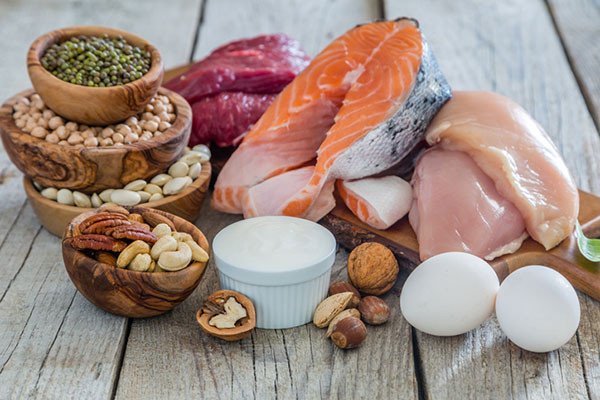
Protein does three things that nothing else quite compares to. The first is that it keeps you full longer. Second, it takes more energy to digest — in other words, your body burns more calories processing it. Third, it prevents you from losing muscle mass — important for keeping your metabolism high.
Researchers writing in the American Journal of Clinical Nutrition found that raising protein intake to 25–30 percent of daily calories led to an overall calorie reduction of an average of 441 per day — without any deliberate restriction.
That’s significant. People automatically ate less without trying, because protein filled them up.
Easy High-Protein Swaps
| Instead of This | Try This | Protein Boost |
|---|---|---|
| White toast for breakfast | 2 scrambled eggs on toast | +12g protein |
| Chips as a snack | Greek yogurt or cottage cheese | +15g protein |
| Plain pasta for dinner | Pasta with canned tuna or chicken | +20g protein |
| Sugary cereal | Oatmeal with peanut butter | +8g protein |
The goal should be a minimum of 20–30 grams of protein per meal. It doesn’t have to be from meat — beans, lentils, tofu, eggs, dairy and nuts all qualify.
Diet Change #2 — Quit Skipping Breakfast (But Make It Good)
What Most Busy People Get Wrong About Breakfast
Not having breakfast feels like an easy fix. Fewer calories in the morning means fewer overall, right?
Not exactly.
Your blood sugar level drops when you skip breakfast. By late morning you are exhausted, irritable and grabbing whatever is closest to you — often something with high sugar or processed carbs. It causes you to eat more throughout the day, not less.
A 2025 review in Obesity Reviews also found that those who ate a balanced, protein-rich breakfast had significantly lower total daily calorie intake compared to those skipping it.
What a Balanced Breakfast Looks Like
You don’t have to cook a complete meal. You require three items on your plate:
- Protein — eggs, Greek yogurt, cottage cheese, nut butter
- Fiber — oats, whole grain toast, fruit, vegetables
- Healthy fat — avocado, nuts, seeds, olive oil
A banana with peanut butter and a hard-boiled egg. Overnight oats with berries and chia seeds. A veggie omelette. These only take 5 to 10 minutes and prime your hunger hormones for the day.
Diet Change #3 — Take a Shine to Fiber
The Nutrient Most People Ignore
Nearly every major nutrition authority recommends 25 to 38 grams of fiber a day. The average person gets around 15.
That gap is very important in terms of weight balance.
Fiber slows digestion. It extends how long you feel full. It feeds the gut’s good bacteria — which research now connects directly to healthy body weight and reduced inflammation. High-fiber diets have also been associated with lower risks of heart disease, type 2 diabetes and certain cancers.
The Best Fiber Foods to Start Eating Right Now
| Food | Serving Size | Fiber Content |
|---|---|---|
| Lentils | ½ cup cooked | 8g |
| Black beans | ½ cup cooked | 7.5g |
| Chia seeds | 2 tablespoons | 10g |
| Avocado | ½ medium | 5g |
| Oats | ½ cup dry | 4g |
| Broccoli | 1 cup cooked | 5g |
| Raspberries | 1 cup | 8g |
| Whole wheat bread | 2 slices | 4g |
The easiest way: have one fiber-rich food at every meal. It adds up quickly over the course of a day.
Diet Change #4 — Eat Less But Never Feel Hungry
The Portion Size Crisis No One Wants to Address
Over the last 40 years, portion sizes of restaurant foods and packaged foods have increased by 200 to 300 percent. Almost no one has a clue what a normal serving even looks like anymore.
The challenge: your stomach can expand to hold large servings, and your brain takes 20 minutes to realize you’re full. That lag is precisely why supersized servings make us overeat.
You are not going to weigh every gram of food. You just need a handful of clever tricks.
The Hand Portion Guide
Use your hand as a measuring tool — it’s always there with you, and it scales to the size of your body.
- Protein — palm of your hand
- Vegetables — two fists
- Carbohydrates — one cupped hand
- Fats — one thumb
The technique, developed and validated by Precision Nutrition, has been shown to help people cut 20 to 30 percent off their calorie consumption — all without apps or food scales.
Two other easy tricks: use smaller plates (studies find people consistently eat less from 9-inch plates versus 12-inch ones) and eat slowly enough to recognize when fullness sets in.
Diet Change #5 — Eliminate Liquid Calories Without Eliminating Flavor
The Hidden Calorie Bomb in Your Cup
Most people track what they eat. Very few track what they drink.
Many sweetened coffee drinks have 500 calories. Regular soda has about 150 in a single can. A glass of orange juice — commonly regarded as healthy — contains as much sugar as a can of cola, with little to none of the fiber found in whole fruit.
Liquid calories are the enemy of weight balance because they lack the fullness response that solid food provides. You could drink 400 calories and be just as hungry five minutes later.
Easy Liquid Calorie Swaps
| High-Calorie Drink | Better Swap | Calories Saved |
|---|---|---|
| Large flavored latte | Regular coffee with a splash of milk | ~350 cal |
| Can of soda | Sparkling water with lemon | ~150 cal |
| Store-bought smoothie | Homemade blend (no added sugar) | ~100–200 cal |
| Fruit juice (8 oz) | Whole piece of fruit | ~100 cal |
| Sports drink | Water + electrolyte tablet | ~130 cal |
You do not have to drink only water. Unsweetened tea, black coffee, and plain sparkling or infused water are all good options. The objective is to prevent drinking hundreds of extra calories unintentionally every day.
Diet Change #6 — Consume More Whole Foods, Less Processed Stuff
What Processed Food Does to Your Weight
Ultra-processed foods — products such as chips, packaged cookies, frozen meals and fast food — account for approximately 60 percent of the typical American diet. And research has become increasingly clear about what they do to your body.
A landmark study from the National Institutes of Health discovered that people on ultra-processed diets ate 500 more calories a day, on average, than those eating whole food diets — even when both groups had equal access to food. Those in the ultra-processed group also ate more quickly, felt less full and gained much more weight over the study period.
Processed foods are scientifically constructed to be hyper-palatable — the kind that fires up your brain’s reward system before your body’s fullness system kicks in. You’re wired to overeat them.
For more practical guidance on building a cleaner, more balanced diet, healthbenefits26.org is a helpful resource packed with evidence-based nutrition tips and healthy living advice.
The 80% Whole Food Target
You don’t have to eat flawlessly. The 2026 Health Guide for Weight Balance has a simple goal: aim to eat minimally processed, whole food about 80 percent of the time.
Whole food swaps that won’t feel punitive:
- Brown rice instead of white rice
- Fresh fruit in place of fruit snacks
- Homemade popcorn instead of chips
- Natural peanut butter in place of the sweetened kind
- Plain oats instead of flavored instant packets
Small swaps, applied consistently, yield big results over months.
Diet Change #7 — Eat Your Meals at the Right Time
The Timing of Your Meals Is as Important as What You Eat
Meal timing is among the most exciting areas of nutrition research today. And the results are genuinely surprising.
Your body has its own internal clock — the circadian rhythm — that determines when your metabolism is most efficient, when your insulin sensitivity peaks and when your digestive system functions best. Synchronizing eating with that clock can meaningfully benefit weight management.
Here’s what the research shows:
- Front-loading calories (eating more early in the day) leads to better weight outcomes than eating the same calories later at night
- Late meal consumption is associated with a significantly higher percentage of body fat at constant energy intake
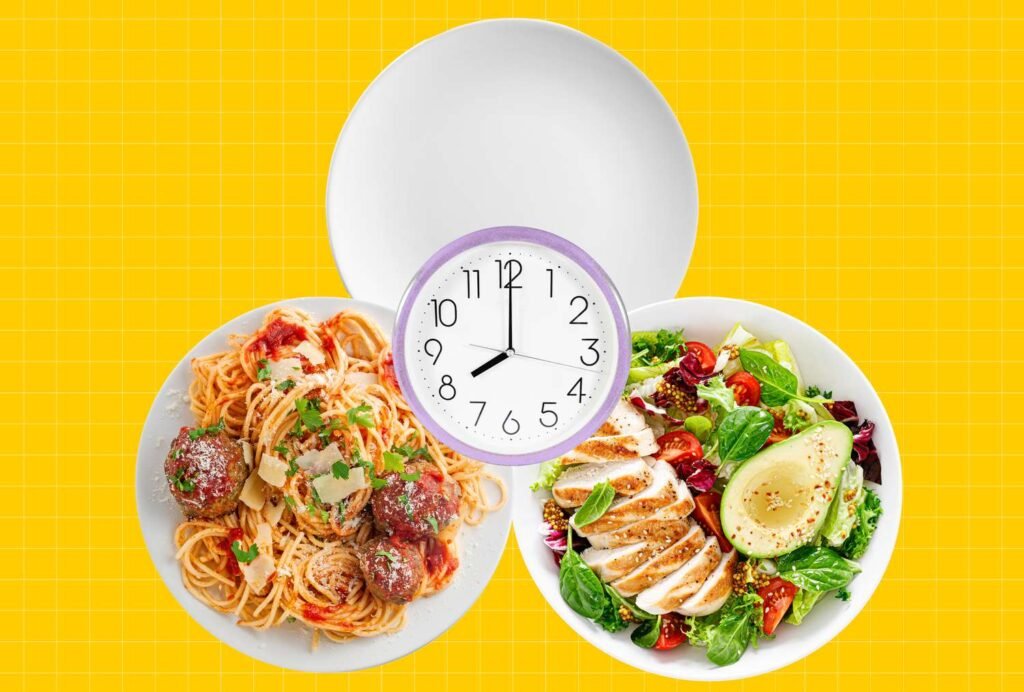
- A 12-hour eating window — say, eating from 8 AM to 8 PM — has been shown to improve metabolic health without requiring calorie counting
A Simple Meal Timing Framework
| Time | Meal | Focus |
|---|---|---|
| 7–9 AM | Breakfast | Protein + fiber to optimize hunger hormones |
| 12–1 PM | Lunch | Largest meal of the day |
| 3–4 PM | Snack (if needed) | Protein + healthy fat |
| 6–7 PM | Dinner | Lighter, earlier is better |
| After 8 PM | Nothing or herbal tea | Let your metabolism rest |
You don’t have to follow this precisely. Even moving dinner half an hour earlier can add up to real results over time.
Diet Change #8 — Practice Mindful Eating (At Least One Meal a Day)
The Speed Eating Epidemic
Modern life has made eating a background activity. Many people eat at their desks, in their cars or in front of screens.
The challenge: if your focus is elsewhere, your brain doesn’t entirely register the meal. The satisfaction signal is weaker. You finish your food and it seems like something’s missing — hence snacking, needing seconds and a general feeling of never being fully satisfied.
Mindful eating doesn’t take meditation or a zen attitude. It just involves paying attention to your food as you eat it.
The 4 Rules of Mindful Eating
1. Sit down. If you eat while standing or walking, you’ll be less mindful of what and how much you eat.
2. Remove screens. Research from the British Journal of Nutrition shows that even one screen-free meal a day can lead to a 10 to 15 percent decrease in daily calorie intake.
3. Chew properly. Aim for 20 to 30 chews per bite. That seems extreme, but it forces you to eat more slowly and digest much better.
4. Stop at 80% full. In Japanese culture, there is a term for this — Hara Hachi Bu — eat until 80% full. Populations that do so regularly are among the leanest in the world.
Diet Change #9 — Prep in Advance So You Don’t Panic Eat
Why Hunger Is the Worst Decision-Making Companion
When your belly rumbles and there are no easy options, you consume what’s at hand. That’s just human nature. And what’s available isn’t often the healthiest choice.
The 2026 Health Guide for Weight Balance has a strong focus on preparation — not complex meal prepping, but basic planning that eases decision fatigue from your eating routine.
The 15-Minute Weekly Prep Routine
You don’t have to dedicate Sunday to making 10 containers of food. It takes only 15 minutes to set yourself up to make better decisions for the week ahead.
Step 1 — Make a tentative meal plan. If nothing else, knowing what you’re going to have for dinner each night frees you from the “I’ll just order a pizza” fallback plan.
Step 2 — Wash and prepare snacks. Cut up vegetables. Portion out nuts. Keep hard-boiled eggs in the fridge.
Step 3 — Have one “emergency” healthy food on hand. Canned beans, tinned fish, frozen vegetables, nut butter — things that are always there when plans collapse.
Step 4 — Clear out the worst temptations. You don’t have to throw it all out. Just put ultra-processed snacks out of reach. Research finds that food visibility is one of the strongest predictors of consumption.
Diet Change #10 — No More Fat Panic
The Fat Myth That Kept Us Stuck for Decades
For a good part of the 1980s and 1990s, fat was the dietary villain. Low-fat everything flooded the market. People were avoiding olive oil, nuts and avocado as if they were poison.
The result? Obesity rates skyrocketed. Because when food manufacturers took away fat, they added sugar and refined carbs — which proved to be much worse for weight and metabolic health.
Modern nutrition science has fully exonerated healthy fats. They’re important for hormone production, brain function, vitamin absorption and — most importantly for weight balance — satiety.
Good Fats vs. Fats to Limit
| Healthy Fats (Eat Freely) | Fats to Limit |
|---|---|
| Avocado and avocado oil | Trans fats (partially hydrogenated oils) |
| Extra virgin olive oil | Highly refined vegetable oils |
| Nuts and nut butters | Deep-fried fast food |
| Fatty fish (salmon, sardines) | Packaged pastries and margarine |
| Chia seeds and flaxseeds | |
| Coconut in moderation |
Adding healthy fat to your meals slows digestion, provides steady blood sugar and keeps you feeling satisfied for much longer than a lower-fat version could.
Diet Change #11 — Design a Sustainable Treat Plan
The Impossible Habit of “Never Eating That Again”
Tell yourself you can never have chocolate again. See how long that lasts.
Restriction creates obsession. The more forbidden a food is, the greater its mental real estate. And when you finally eat it — and you will — you’re likely to overindulge, because your brain interprets it as a special occasion.
No food is prohibited in the 2026 Health Guide for Weight Balance. Instead, it establishes a permanent, healthy treat system that curbs cravings and avoids the binge-restrict cycle.
The Treat Strategy Framework
Rule 1 — Plan your treats, don’t allow them to occur accidentally. A planned piece of cake on Saturday is quite different from stress-eating an entire sleeve of cookies on Tuesday. Planned indulgences stay small. Reactive ones often don’t.
Rule 2 — Treat your treat right. Sit down. Put it on a plate. Eat it slowly, savoring every bite. Don’t eat it hovering over the counter or straight from the bag.
Rule 3 — Remember the 80/20 rule. If 80 percent of your eating is balanced and nutritious, treats won’t sabotage your progress. They become part of a healthy relationship with food — which is the real objective.
Rule 4 — Pay attention to trigger foods. Certain foods actually make it more difficult to stop eating once you start. Know yours. You don’t have to get rid of them, but it’s good strategy to keep them out of easy reach.
How These 11 Changes Work Together
Each of these changes is not revolutionary in isolation. But together they form a pattern of eating that naturally supports weight balance — without hunger, without obsession and without the kind of restriction that always backfires.
Here’s a summary of how they interact:
| Diet Change | Primary Benefit | Difficulty Level |
|---|---|---|
| Protein at every meal | Reduces hunger hormones | Easy |
| Don’t skip breakfast | Stabilizes blood sugar | Easy |
| More fiber | Improves fullness and gut health | Easy |
| Smarter portions | Reduces calorie intake | Medium |
| Cut liquid calories | Eliminates hidden calories | Easy |
| More whole foods | Reduces overeating triggers | Medium |
| Better meal timing | Improves metabolic efficiency | Easy |
| Mindful eating | Improves satisfaction | Medium |
| Plan ahead | Reduces panic eating | Medium |
| Embrace healthy fats | Improves satiety | Easy |
| Sustainable treat strategy | Prevents binge cycles | Medium |
Start with the ones marked Easy. They take the least amount of willpower and provide immediate results. Add the Medium-difficulty changes in the weeks after.
FAQs About the 2026 Health Guide for Weight Balance
Q: Do I have to adopt all 11 changes at the same time? No. Begin with two or three that seem most pertinent to your current way of eating. Build from there. Adopting one new habit every two weeks is a realistic, sustainable pace.
Q: What kind of results should I expect? Most people experience decreased appetite and improved energy levels within the first week. Visible changes in body composition typically take a four-to-eight-week commitment of consistent effort. The big picture here is long-term weight balance, not quick fat loss.
Q: Is calorie counting necessary? Not with this approach. All of these changes are meant to help you naturally regulate your calorie intake so you don’t have to measure every gram. But if tracking works for you and helps, it can be a useful tool — just don’t let it turn into something that stresses you out.
Q: Can I use this guide if I’m vegetarian or vegan? Absolutely. All 11 of these changes are relevant to plant-based diets. For protein, use lentils, beans, tofu, tempeh, edamame and plant-based protein powders. Avocado, nuts, seeds and olive oil are all great sources of healthy fats.
Q: What about exercise — will I need to work out for these diet changes to be effective? Exercise aids in weight maintenance, but it’s not necessary for these dietary changes to have an impact. Nutrition is the most critical factor in achieving weight management success. Think of movement as your accelerant, not a prerequisite.
Q: Do I need to eliminate specific foods entirely? No. This guide isn’t about cutting out any food group. Even sweet treats are part of the sustainable treat strategy described in Diet Change #11. It’s not about perfection — it’s about balance.
Q: Is this method safe for older adults? Yes, and it’s especially beneficial. Adequate protein to maintain muscle mass, fiber for digestive health and healthy fats that promote brain function become especially important as you age. Always consult your doctor before making major dietary changes if you have certain medical conditions.
The Takeaway: Weight Balance Is Achieved One Meal at a Time
The 2026 Health Guide for Weight Balance isn’t a diet. It’s a more intelligent way to eat that fits into real life and doesn’t crumble under the test of time.
These 11 smart diet changes don’t require perfection. They ask you to be consistent. Just to get a little more protein in here. To pick a whole food instead of a processed one there. To sit down and savor your food every so often.
The science is clear: incremental, reasonable shifts in your daily food choices are vastly more impactful for lasting weight balance than any crash diet, cleanse or restriction plan ever devised.
Your body isn’t your enemy. It just requires the right signals — and these 11 changes are exactly that.
Pick one. Start today. See how you feel in two weeks.
Everything else builds from there.