Most People Eat Every Day — But Almost No One Eats Right
There is only one thing that every single person on the planet does every day, and that’s eat. But the vast majority of people are blissfully unaware of what their food is actually doing to them on the inside.
They count calories. They avoid fat. They try the latest diet. And then they wonder why they’re still tired, bloated, foggy or stuck at the same weight.
The truth: eating is more than filling up. It’s about nourishing a complex system — your brain, your gut, your hormones, and your immune system — all at once.
The 2026 Health Guide experts spent years delving into not just what people eat, but how, when and why they eat. What they discovered goes far beyond “eat more vegetables.”
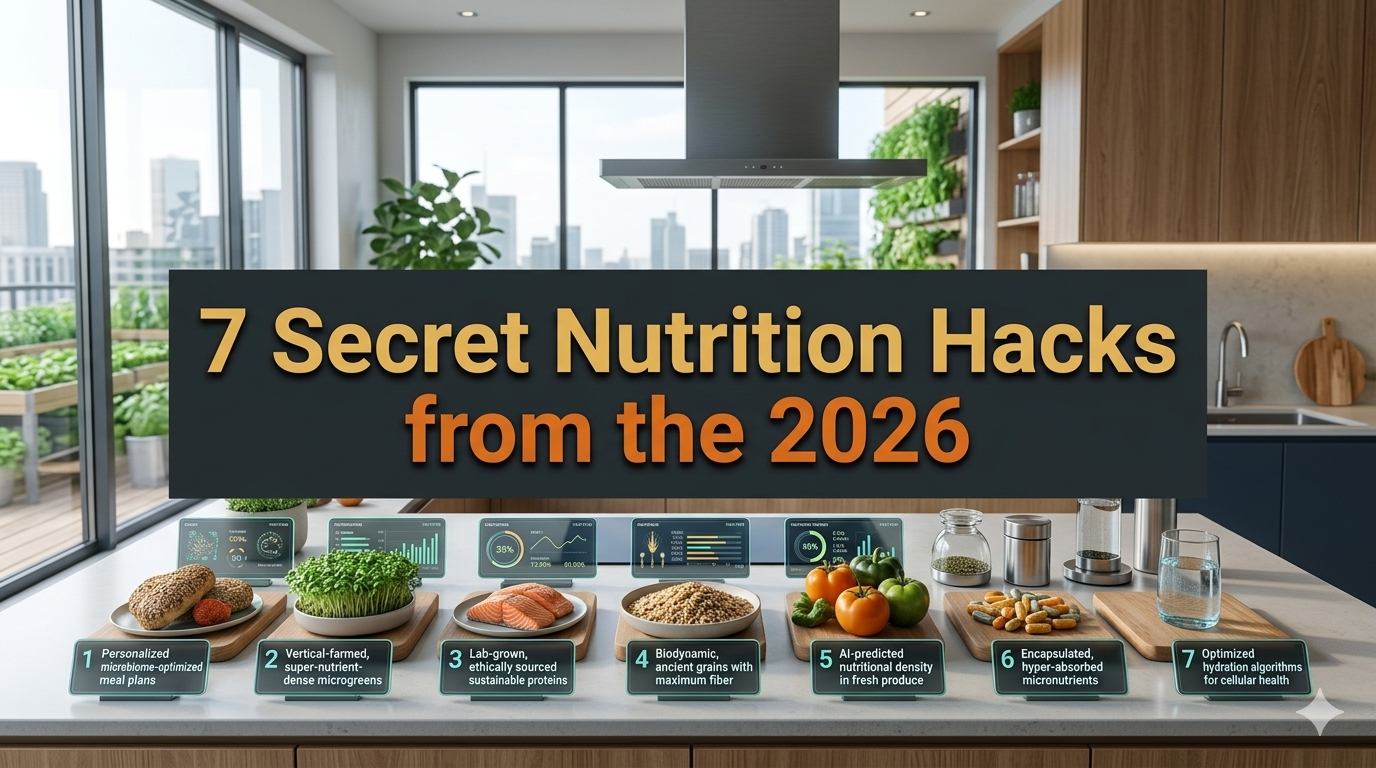
These are 7 secret nutrition hacks the average person has never heard of — but that can literally transform how you feel, think and perform each and every day.
No extreme diets. No expensive supplements. No impossible rules.
Only real, science-based strategies that get results.
Let’s get into it.
Hack 1: Eat During a “Metabolic Window” — Timing Is Everything
Most nutrition advice is directed at what you eat. But the experts behind the 2026 Health Guide say that when you eat may be just as crucial.
Your body has its own internal clock known as the circadian rhythm. This clock doesn’t merely control sleep — it controls digestion, hormone release, blood sugar regulation, and fat storage.
Your Body Digests Food in Different Ways at Different Times
Here is something most people don’t know:
The same meal consumed at 8 AM has an entirely different impact on your body than that exact same meal consumed at 8 PM.
Your body in the morning and early afternoon:
- Produces more digestive enzymes
- Processes glucose more efficiently
- Burns calories faster
- Stores less fat
In the evening, it’s flipped. Your metabolism slows. Insulin sensitivity drops. The same food is stored into fat more readily.
The Metabolic Window in Practice
| Meal | Best Time | Why It Matters |
|---|---|---|
| Breakfast | Within 1–2 hours of waking | Jumpstarts metabolism |
| Largest meal | 11 AM – 2 PM | Optimal digestive function throughout the day |
| Light snack | 3–4 PM | Prevents energy crash |
| Dinner | Before 7 PM | Late digestion slows metabolism in the evening |
| Stop eating | 2–3 hours before bed | Full digestion prerequisite to sleeping well |
This method is sometimes referred to as time-restricted eating — and a 2025 study in metabolic health journals found that it lowered body fat and improved blood sugar levels without making any changes to what people ate.
You don’t have to eat less. Just eat earlier.
Hack 2: The “Protein First” Rule That Changes Everything
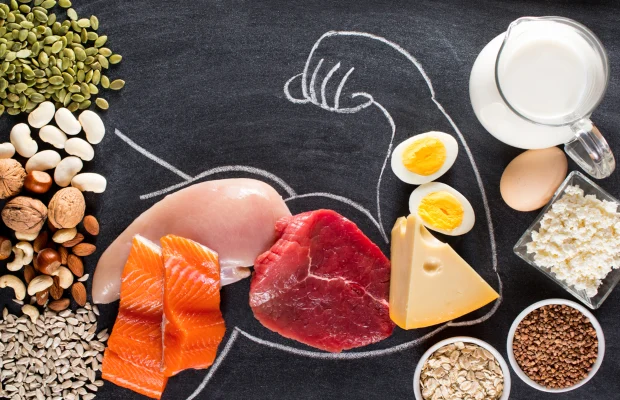
Walk into any nutritionist’s office in 2026, and you’ll hear the same thing: protein is the king of macronutrients.
Not because it builds muscle (it does, however). But because of what it does to your hunger hormones, your metabolism and your blood sugar.
What Happens When You Eat Protein First
Eat a meal that starts with protein instead of carbohydrates or fat, and something powerful happens:
- Your body releases GLP-1 (a fullness hormone) faster
- Blood sugar rises more slowly
- You stay full 40–60% longer
- You eat fewer total calories without trying
This is not willpower. This is biology.
The Protein-First Plate Method
Step 1: Fill one-third of your plate with a protein source first. Step 2: Add vegetables next. Step 3: Add carbohydrates last — only if you’re still hungry.
Best protein sources by lifestyle:
| Lifestyle | Best Protein Sources |
|---|---|
| Meat eaters | Chicken, eggs, salmon, lean beef |
| Vegetarian | Lentils, Greek yogurt, cottage cheese, tofu |
| Vegan | Tempeh, edamame, chickpeas, hemp seeds |
| Budget-friendly | Eggs, canned tuna, beans, peanut butter |
How Much Protein Do You Really Need?
- Teenagers: 0.85g per kg of body weight
- Active adults: 1.2–1.6g per kg
- Older adults (65+): 1.2–1.5g per kg (muscle loss accelerates with age)
The experts at the 2026 Health Guide suggest dividing your protein throughout the day instead of having it all crammed into dinner — which is how most people unwittingly do it.
Hack 3: Stop Fearing Fat — Start Choosing the Right Kind

Fat has been the enemy for decades. Low-fat yogurt. Fat-free salad dressing. Reduced-fat everything.
And at the same time, rates of obesity, heart disease and diabetes continued to rise.
What the 2026 Health Guide experts confirmed: fat was never the enemy. The wrong kind of fat was.
The Fat Hierarchy You Need to Know
| Fat Type | Examples | Effect on Body |
|---|---|---|
| Healthy (unsaturated) | Olive oil, avocado, walnuts, salmon | Reduces inflammation, supports brain |
| Neutral (saturated) | Butter, eggs, coconut oil | Fine in moderation |
| Harmful (trans fats) | Fried fast food, margarine, packaged snacks | Raises bad cholesterol, causes inflammation |
Your brain is 60% fat. Your hormones are made from fat. Fat makes up every one of your cell membranes. You cannot function without it.
The “Healthy Fat Swap” Strategy
The 2026 Health Guide experts recommend a simple swap method instead of cutting fat from your diet:
- Swap vegetable/seed oils → Use extra virgin olive oil
- Swap margarine → Use real butter or avocado
- Swap fat-free dressing → Use olive oil and lemon
- Swap packaged chips → Use a handful of mixed nuts
These swaps don’t feel like a diet. But over weeks and months, they can dramatically reduce chronic inflammation — the unrecognized engine behind most modern diseases.
For more practical, science-backed tips on daily nutrition and wellness, explore Health Benefits 2026 — a trusted resource covering everything from healthy eating habits to whole-body wellness strategies.
Hack 4: The Color Rule — Eat the Rainbow (But Make It Worth Your While)
You’ve heard “eat more vegetables.” But the 2026 Health Guide experts take it a step further with what they call the Color Rule — a simple visual system that ensures you’re nourishing your body with the full spectrum of nutrients.
Plants of different colors contain different phytonutrients — natural compounds that help protect your body from disease, reduce inflammation and support organ function.
The Color-Nutrient Map
| Color | Food Examples | Key Benefit |
|---|---|---|
| Red | Tomatoes, red peppers, strawberries | Heart health, anti-cancer |
| Orange/Yellow | Carrots, sweet potato, mango | Eye health, immune support |
| Green | Spinach, broccoli, kale, peas | Detox, bone health, energy |
| Blue/Purple | Blueberries, eggplant, red cabbage | Brain health, memory, anti-aging |
| White/Brown | Garlic, onions, mushrooms | Antiviral, gut health, immune |
The Daily Color Goal
The 2026 Health Guide experts suggest hitting at least 3 different colors per meal and aiming for 5 or more colors throughout the day.
This isn’t about being perfect. It’s about variety.
A quick way to evaluate yourself: check out your plate before you eat. If everything on it is the same color (typically beige), you’re depriving your body of a wide range of nutrients it needs.
Simple ways to bring in color without cooking more:
- Mix spinach into scrambled eggs (green)
- Toss blueberries into oatmeal (blue/purple)
- Slice red pepper with hummus as a snack (red)
- Roast carrots alongside any dinner (orange)
Small additions. Massive nutritional difference.
Hack 5: Fermented Foods Are the Nutrition Secret Nobody Talks About
If there is one nutrition category the 2026 Health Guide experts say is nearly universally underconsumed, it’s fermented foods.
Most people have never purposefully introduced a fermented food into their lives. And yet the science behind these foods is some of the most exciting in modern nutrition.
What Fermented Foods Actually Do
Fermented foods are packed with live bacteria — called probiotics — that enter your gut and do something incredible: they actually shift the entire balance of your microbiome.
Your gut microbiome is a community of trillions of bacteria living in your intestines. This community:
- Produces 90% of your serotonin (your happiness chemical)
- Controls 70% of your immune system
- Regulates inflammation throughout your body
- Influences your weight, energy and even your food cravings
When your gut microbiome is functioning properly, you feel better in nearly every measurable way. When it’s out of balance, you notice it — in your mood, your digestion, skin, energy and focus.
Best Fermented Foods to Add to Your Diet
| Fermented Food | Taste Profile | Easiest Way to Use |
|---|---|---|
| Greek yogurt (live cultures) | Creamy, tangy | Breakfast, smoothies, sauces |
| Kefir | Tangy, drinkable | Morning drink, smoothie base |
| Kimchi | Spicy, savory | Side dish, rice bowls, eggs |
| Sauerkraut | Tangy, crunchy | Sandwiches, salads, as a side |
| Kombucha | Slightly sweet, fizzy | Afternoon drink instead of soda |
| Miso | Savory, umami | Soups, sauces, marinades |
You don’t need all of these. The 2026 Health Guide experts suggest starting with just one fermented food a day and building from there.
Even a small daily serving of yogurt or a spoonful of sauerkraut with dinner can measurably improve gut diversity within 3–4 weeks.
Hack 6: Hydration Is a Nutrition Hack (Most People Miss This Completely)
Water is nutrition. This sounds obvious. But hardly anyone treats it that way.
The 2026 Health Guide experts placed hydration within their nutrition framework — not outside of it — because what you drink influences how your body absorbs and processes everything you eat.
How Dehydration Secretly Destroys Your Nutrition
Here’s what happens to your nutrition when you’re even slightly dehydrated:
- Digestive enzymes work less efficiently
- Nutrient absorption from food drops
- Your liver and kidneys struggle to filter waste
- Blood sugar regulation gets worse
- Hunger signals get confused (your body often mistakes thirst for hunger)
That last point is huge. Studies suggest that as much as 37% of the time, people confuse thirst with hunger. They eat when they ought to be drinking — adding hundreds of extra calories each day.
According to the Harvard T.H. Chan School of Public Health, staying properly hydrated is one of the most overlooked yet essential components of a healthy diet — reinforcing exactly what the 2026 Health Guide experts recommend.
The 2026 Hydration-Nutrition Formula
| Time of Day | What to Drink | Why |
|---|---|---|
| First thing in the morning | 16 oz water | Rehydrates after sleep, boosts metabolism |
| Before each meal | 8 oz water | Improves digestion, reduces overeating |
| With meals | Small sips only | Too much water dilutes digestive enzymes |
| Between meals | Water or herbal tea | Maintains hydration without disrupting digestion |
| After exercise | Water + electrolytes | Replaces minerals lost through sweat |
Upgrade Your Water
Plain water is great. But the 2026 Health Guide experts also recommend these easy upgrades for extra nutritional benefit:
- Lemon water — adds vitamin C, supports liver
- Cucumber water — adds silica for skin and joints
- Ginger water — reduces inflammation, aids digestion
- Electrolyte water — essential after sweating or exercise
Avoid sweetened drinks, energy drinks and excessive coffee as your main source of hydration. These are net dehydrators — they extract more water from your body than they return.
Hack 7: The “80% Full” Rule — Your Built-In Portion Controller
The last nutrition hack from the 2026 Health Guide experts is the oldest trick in the book — but also the most overlooked.
It comes from Okinawa, Japan — one of the world’s well-known Blue Zones, where people reliably live beyond 100 in good health. The people there abide by a principle called Hara Hachi Bu — which roughly translates to “eat until you are 80% full.”
Why Your Brain Doesn’t Keep Up With Your Stomach
Here’s the problem with modern eating: your brain is slow.
When you eat, it takes 15–20 minutes for your stomach to send a fullness signal to your brain. By the time your brain registers that you’re full, you’ve often already eaten well past that point.
Eating quickly, eating distractedly, eating in front of a screen — these all make the issue worse. You override your body’s built-in stop signal before it even arrives.
How to Practice the 80% Full Rule
Step 1: Eat slowly. Put your fork down between bites.
Step 2: Chew each mouthful 15–20 times. Digestion starts in your mouth.
Step 3: Pause halfway through your meal. Ask yourself: Am I really still hungry?
Step 4: Stop eating when you feel comfortable — not stuffed. If you’re unsure, stop anyway. Wait 15 minutes. You’ll likely feel full.
Step 5: Never eat in front of a screen. Distracted eating leads to a 20–40% increase in calorie intake on average.
What the 80% Rule Does Over Time
| Habit | Effect After 30 Days |
|---|---|
| Eating slowly | Reduced caloric intake by 15–20% |
| Stopping at 80% full | Better digestion, less bloating |
| No screen eating | Stronger awareness of hunger and fullness |
| Chewing thoroughly | Improved nutrient absorption |
The 2026 Health Guide experts emphasize that this isn’t about restriction. It’s about relearning to listen to your body — the signals of which have been drowned out by modern life for years.
How All 7 Hacks Work Together as a System
Each of these nutrition hacks can work wonders in isolation. But together, they’re even more powerful.
Think of it like this:
- The metabolic window tells you when to eat
- The protein-first rule shapes how you start every meal
- Choosing the right fats determines what fuels your brain and hormones
- The color rule ensures your body gets every nutrient it needs
- Fermented foods maintain the gut health that makes all nutrition work better
- Hydration supports how efficiently your body processes everything you eat
- The 80% full rule controls how much you actually need
Together, they address every dimension of healthy eating — without a single extreme restriction.
A Real-World Weekly Nutrition Plan Using All 7 Hacks
| Day | Breakfast | Lunch | Dinner | Key Hack Applied |
|---|---|---|---|---|
| Monday | Eggs + spinach + berries | Grilled chicken + salad | Salmon + roasted veggies | Protein first + color rule |
| Tuesday | Greek yogurt + blueberries | Lentil soup + whole grain | Stir-fry tofu + kimchi | Fermented food + color |
| Wednesday | Oatmeal + walnuts + banana | Turkey wrap + side salad | Lean beef + sweet potato | Metabolic window + protein |
| Thursday | Kefir smoothie + chia seeds | Chickpea salad + avocado | Grilled fish + broccoli | Healthy fats + fermented |
| Friday | Scrambled eggs + whole grain | Miso soup + rice + greens | Chicken + roasted peppers | Color rule + fermented |
| Saturday | Avocado toast + poached egg | Large veggie bowl + hummus | Lighter dinner before 7 PM | 80% rule + timing |
| Sunday | Yogurt parfait + mixed fruit | Tuna salad + leafy greens | Lentil curry + cauliflower | Full system day |
Frequently Asked Questions (FAQs)
Q1: Do I need to implement all 7 nutrition hacks at the same time? Not at all. Begin with one or two that seem doable. The metabolic window and the protein-first rule are excellent places to start because they require no change in what you buy — only how and when you eat.
Q2: Are these nutrition hacks suitable for teenagers? Yes. These are whole-food, balanced strategies applicable to all ages. Teenagers especially benefit from the protein-first rule for energy and focus at school, and the color rule for overall health.
Q3: Will these hacks help with weight loss? They can. But the 2026 Health Guide experts created these for general wellness, not weight loss specifically. When you eat at the right times, prioritize protein, choose healthy fats, diversify your nutrients, support your gut, stay hydrated and stop overeating — weight tends to normalize naturally as a byproduct.
Q4: When will I see real changes? Most people experience improved energy and digestion within 1–2 weeks. Mood improvements, skin changes and better sleep quality typically follow within 3–4 weeks of consistent practice.
Q5: Can everyone eat fermented foods? For most people, yes. Those with very sensitive digestive systems should start with small amounts and build gradually. Anyone with specific medical conditions should consult a healthcare professional first.
Q6: What is the single most impactful hack for a complete beginner? The protein-first rule. It’s the easiest to implement immediately, requires no new foods, and has a measurable impact on hunger, energy and blood sugar from day one.
Q7: Do these nutrition hacks require expensive or specialty foods? No. Eggs, beans, lentils, seasonal vegetables, yogurt, oats and water are among the most budget-friendly foods available — and they form the core of every single hack on this list.
In 2026, the Simplest Nutrition Advice Is Also the Most Powerful
The nutrition world loves to overcomplicate things. New superfoods. Complicated protocols. Expensive tests and supplements.
But the 2026 Health Guide experts discovered something refreshingly simple: the basics done consistently always outperform the complicated done occasionally.
Eat earlier in the day. Start with protein. Choose real fats. Add more color. Include something fermented. Drink more water. Stop before you’re stuffed.
These 7 secret nutrition hacks won’t make headlines. They won’t go viral. But they will quietly and steadily transform the way you feel — your energy, your mood, your focus, your digestion and your long-term health.
No gimmicks. No shortcuts. No extreme rules.
Just smart, science-backed eating — in a way that real people can actually follow day to day.
Your body is waiting to feel the difference. Start with one hack. Start today.