The Way We Work Out Is Forever Changed
Gone are the days when fitness was only about pumping iron or pounding on a treadmill.
Exercise in 2026 looks quite different. People better understand how to move, recover and monitor their health. A new fitness culture has emerged, formed by the intersection of technology, science and personal wellness.
In this guide, we will go through the 8 smart fitness trends dominating the health world in 2026. Whether you’re new to working out or have decades of experience under your belt, these trends can help you train more effectively, feel stronger and live healthier.
Let’s do them all — one at a time.
1. Personal Training Powered By AI — Available to All
A few years ago, hiring a personal trainer was a luxury. Not anymore.
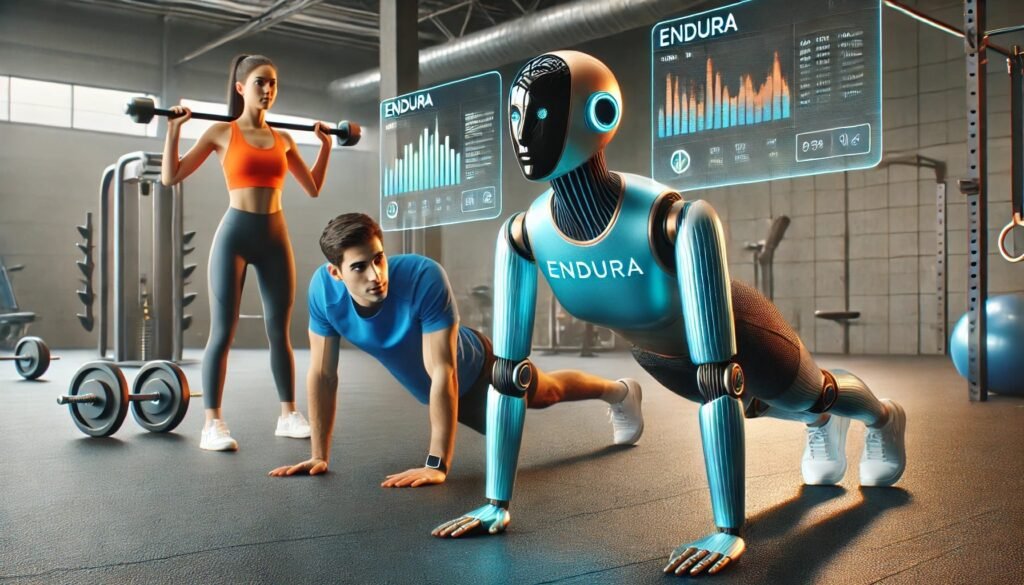
AI fitness coaches are now on your phone, smartwatch or home gym screen in 2026. These tools get to know your habits, body type and goals. After that, they create a personalized workout plan just for you.
How Do AI Fitness Coaches Really Work?
Every day, AI trainers collect data. They look at:
- How many calories you burn
- How well you slept
- Your heart rate during exercise
- How much your muscles hurt or are fatigued
Then they customize your workout in real time. If you didn’t sleep well the previous night, your AI coach may recommend a less strenuous session. If you are feeling strong, it might push you harder.
These apps now provide real-time feedback on your form through your phone camera. They know if your squat is too shallow or if your back isn’t straight — just like a human trainer would.
Why This Trend Is So Powerful
| Feature | Old Personal Training | AI Personal Training |
|---|---|---|
| Cost | $50–$150/hour | $10–$30/month |
| Availability | Scheduled sessions only | 24/7 access |
| Personalization | Based on trainer’s notes | Real-time data tracking |
| Feedback | Once or twice a week | Every single workout |
It’s making expert-level fitness advice accessible to almost everyone — regardless of budget.
2. Recovery Is Just as Important as the Workout
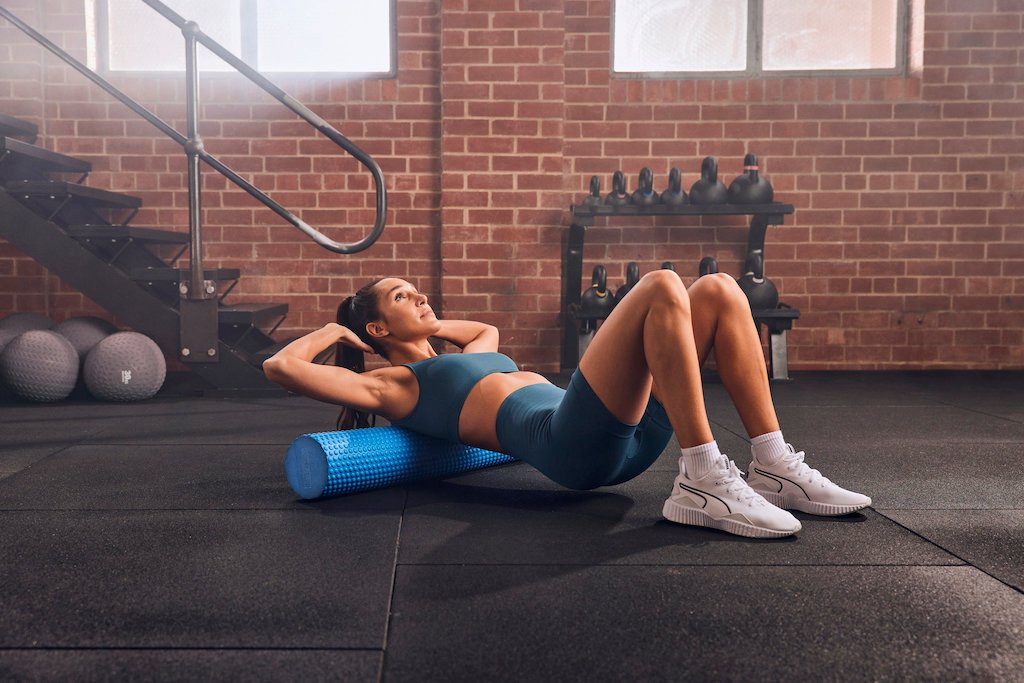
For years, the belief was that working out harder produced better results. Now, the focus has shifted.
By 2026, recovery is a central feature of every fitness program. Rest days are no longer seen as lazy. They’re essential.
The Science Behind Recovery
Your muscles sustain tiny tears in response to working out. With rest, your body heals those tears and strengthens the muscles. Skip recovery, and you risk slowing your progress — or worse, injury.
Top fitness experts now say you need to devote as much energy to planning your recovery as you do your workouts.
Popular Recovery Methods in 2026
Cold and Heat Therapy The popularity of alternating cold plunges with saunas has reached a fever pitch. Cold water reduces muscle inflammation. Heat therapy increases blood circulation and loosens tight muscles.
Sleep Tracking Wearable devices now monitor not only how many hours you sleep, but the quality as well. Most muscle repair occurs in deep sleep stages. If your device says you’re not logging enough deep sleep, it adjusts your workout plan automatically.
Compression Gear and Massage Tools Percussive massage guns and compression boots — once available only to professional athletes — are now within reach for everyday people. They’re a game-changer for recovery and soreness.
3. Wearable Tech Has Become Really, Really Advanced
Fitness trackers used to measure your steps. That was impressive — back in 2015.
In 2026, wearables do what used to require a doctor’s visit.
What Today’s Wearables Can Track
- Blood oxygen levels — vital for breathing and stamina
- Stress levels — using heart rate variability (HRV)
- Blood glucose levels — without needles (non-invasive)
- Hydration levels — so you know when to drink water
- Body temperature — to detect early signs of illness
- VO2 max — the maximum amount of oxygen your body can use during exercise
The data is no longer merely figures on a screen. Smart wearables now connect to health apps that explain what the data means and what to do about it.
For more in-depth health and wellness insights to pair with your wearable data, visit Health Benefits 2026 — a trusted resource covering the latest trends in fitness, nutrition and recovery.
The Most Used Wearable Devices in 2026
| Device Type | Key Feature | Who It’s Best For |
|---|---|---|
| Smart Ring | Sleep + HRV tracking | People not into wearing wristbands |
| Advanced Smartwatch | Real-time ECG + glucose | Fitness enthusiasts |
| Smart Clothing | Muscle activation maps | Athletes and trainers |
| AR Fitness Glasses | Live coaching overlay | Tech-forward users |
Wearables in 2026 are not gimmicks. They’re health tools meant to help you make smarter decisions day in and day out.
4. Hybrid Workouts Are Taking Over Gyms and Living Rooms
After years of splitting the difference between gym and home workouts, people have figured out they don’t need to choose one over the other.
Hybrid fitness — a mix of in-person and digital workouts — is one of 2026’s most dominant trends.
Why Hybrid Fitness Works So Well
Life is unpredictable. Some days you make it to the gym. Other days you’re stuck at home. Hybrid fitness allows variety while keeping your routine intact.
Most gyms now offer:
- Classes you can join live, from anywhere
- On-demand workout libraries
- Digital check-ins and progress tracking
- Virtual coaching between in-person sessions
The Rise of At-Home Gym Tech
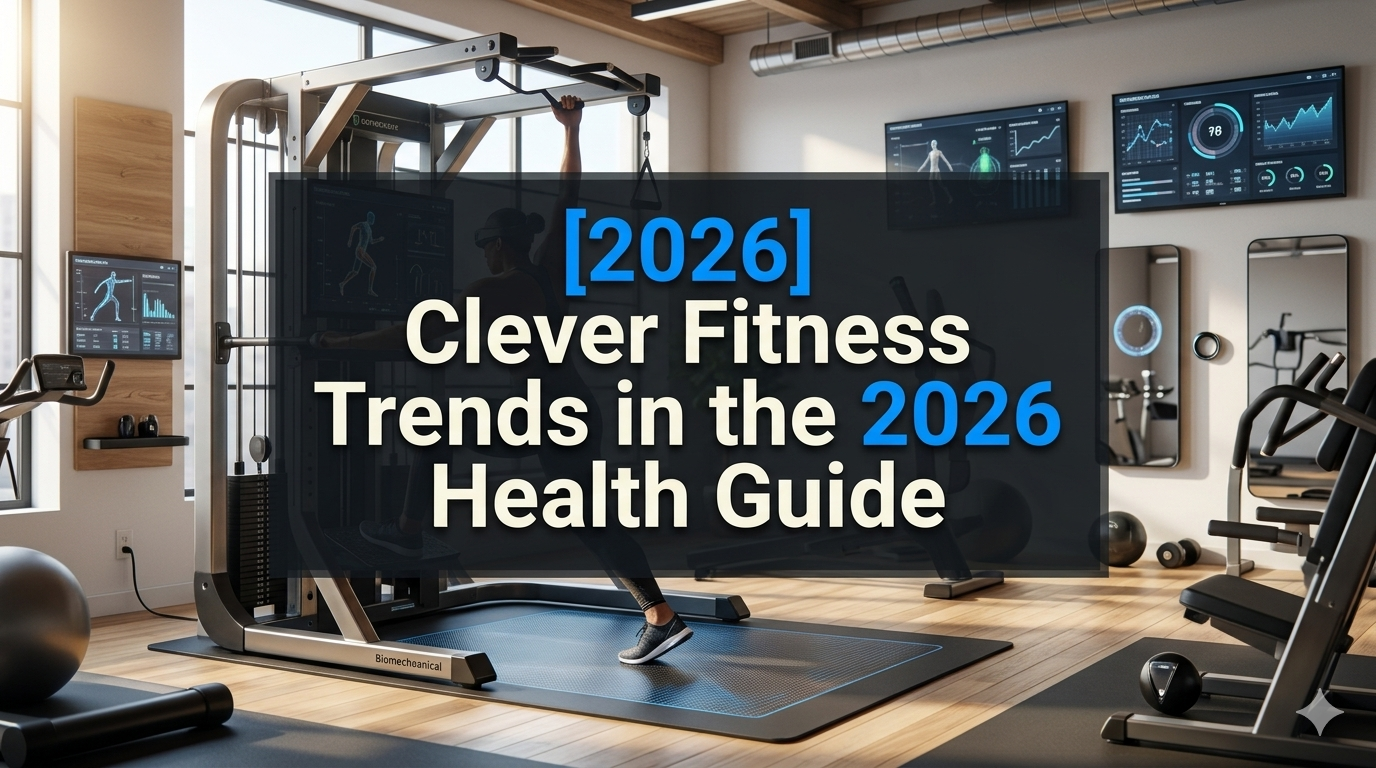
Equipment for home workouts has received a big upgrade too. Smart mirrors, connected treadmills and interactive weight systems now give you the same class experience you’d get at a boutique studio — right in your living room.
The best part? You get the social motivation of a group class and the convenience of exercising in your own space.
5. Mental Health and Fitness Are Now, Officially, Linked
For decades, physical fitness and mental wellness were viewed as distinct concepts. In 2026, that wall is finally down.
The fitness world now widely recognizes that your mental health has a direct impact on physical performance — and vice versa.
How the Mind-Body Connection Influences Modern Fitness
Stress raises cortisol levels. When cortisol is high, it leads to greater difficulty losing weight, building muscle and getting quality sleep. It also slows recovery. This means that if you’re mentally burnt out, your workouts will suffer no matter how hard you try.
Modern fitness plans now include:
- Mindfulness and breathing exercises before and after workouts
- Embedded journaling prompts in fitness apps
- Mood tracking alongside physical metrics
- Rest days focused on mental recovery, not just physical
Meditation and Movement Working Together
Yoga, tai chi and qigong have long linked breath with movement. Yet in 2026, even extreme strength training and HIIT programs are incorporating mindfulness principles.
Some gyms are now offering “mind-body coaching” in addition to traditional personal training. The aim isn’t merely a stronger body — it’s also a calmer, more focused mind.
6. Nutrition Technology Is Getting Personal
What you eat has always mattered. But in 2026, nutrition advice is highly personal — built on your individual biology instead of general guidelines.
Personalized Nutrition: What’s Changed
Old nutrition advice said things like “eat 2,000 calories a day” or “avoid saturated fat.” The one-size-fits-all model is giving way to data-driven, tailored plans.
Here’s how it works now:
DNA-Based Nutrition A single saliva test can analyze how your body reacts to certain foods. Some people absorb carbohydrates quickly. Others don’t. Your DNA-based plan reflects exactly how your body works.
Gut Microbiome Testing Your gut is home to trillions of bacteria that influence everything — from digestion and energy to immunity and even your mood. Microbiome testing kits are widely available in 2026. They tell you which foods your gut bacteria love and which ones tend to cause problems for your specific gut.
Real-Time Glucose Monitoring Small wearable patches can now show how your blood sugar reacts to various foods throughout the day. This allows you to easily notice which meals energize you and which ones leave you crashing — all without guesswork.
According to research published by the National Institutes of Health, personalized nutrition approaches based on genetic and microbiome data show significantly better outcomes than standard dietary guidelines for many individuals.
Personalized Nutrition vs. Traditional Diets
| Approach | Based On | Flexibility | Accuracy |
|---|---|---|---|
| Traditional Diet | General population studies | Low | Average |
| Personalized Nutrition | Your DNA + gut + glucose data | High | High |
| Intuitive Eating | Personal feelings and hunger | Very High | Varied |
In 2026, nutrition plans that work best revolve around you — not everyone else.
7. Group Fitness Is Back — With a Tech-Fueled Twist
Years of solo workouts driven by apps and streaming left many people yearning for connection again.
Group fitness is back — and better than ever, because it now combines the energy of being among others with the personalization that modern technology affords.
Why People Are Returning to Group Workouts
Humans are social by nature. Working out with others brings:
- More motivation to show up
- A sense of accountability
- Friendly competition that drives you further
- Community and friendship
Research has shown again and again that people stick to fitness routines longer when they’re part of a group. By 2026, gyms and studios have revamped their classes to capitalize on this.
How Modern Group Fitness Works
Live Leaderboards Your performance data appears on a shared screen during class. You can see how hard everyone else is working — and challenge yourself to keep up.
Micro-Classes Rather than large classes with 30+ participants, smaller groups of 6–10 are gaining traction. Instructors can give more focused individual attention and participants feel more connected.
Social Fitness Apps Apps now let you join virtual “fitness squads.” You share common goals, take part in friendly competitions and encourage each other — even if your paths have never crossed in person.
8. Sustainable and Eco-Friendly Fitness Is Growing Fast
In 2026, people care about more than their own health. They care about the planet’s health as well.
Eco-conscious fitness is one of this year’s fastest-growing trends — and it shows no signs of slowing down.
What Sustainable Fitness Actually Means
It’s about making choices that are healthy for your body and good for the planet. This can look like:
- Outdoor workouts instead of energy-consuming gym machines
- Sustainable activewear made from recycled materials
- Green gyms that use human-powered energy (your pedaling powers the lights)
- Minimal equipment training to reduce manufacturing waste
- Plant-based nutrition combined with fitness to lower your carbon footprint
The Eco-Friendly Gym Revolution
Most gyms now operate on solar panels, use recycled rubber flooring and have water-saving systems in place. Some gyms even collect the energy generated by their cardio machines to power the building.
Fitness gear companies are doing the same. Yoga mats crafted from natural rubber, resistance bands made from organic latex and workout clothes created from recycled ocean plastic are now common — and affordable.
This trend proves it is possible to stay fit while caring about the planet.
How These 8 Trends Are All Connected
These 8 smart fitness trends do not live in their own separate worlds. They work together.
Your AI coach draws on data from your wearable tech. Your recovery plan is connected to your sleep tracker. Your hybrid workout schedule is fueled by your personalized nutrition plan. Your group fitness community keeps your mind strong. And your sustainable choices make all of it feel more purposeful.
In 2026, fitness is a complete ecosystem — not merely a series of workouts you do three times a week.
Quick Look: 8 Smart Fitness Trends at a Glance
| # | Trend | Core Benefit |
|---|---|---|
| 1 | AI Personal Training | Custom plans, low cost |
| 2 | Recovery-First Approach | Faster progress, fewer injuries |
| 3 | Advanced Wearable Tech | Deeper health insights daily |
| 4 | Hybrid Workouts | Flexibility and consistency |
| 5 | Mental Health + Fitness | Stronger mind and body together |
| 6 | Personalized Nutrition | Food plans built for your body type |
| 7 | Group Fitness with Tech | Social motivation and accountability |
| 8 | Eco-Friendly Fitness | Health for you and the planet |
FAQs About Smart Fitness Trends in 2026
Q1: Do these fitness trends require expensive technology?
Not at all. Many of these trends can be accessed on a basic budget. Free fitness apps offer AI coaching features. Affordable wearables track the key metrics. You can even do hybrid workouts using free YouTube videos. Use what you have as a starting point and upgrade gradually.
Q2: How do I find a fitness trend that’s right for me?
The best place to begin is to ask yourself what you really want. Want to lose weight? Focus on personalized nutrition and AI coaching. Want to feel less stressed? The mind-body fitness trend is for you. Want to stay consistent? Try group fitness with a community component. You don’t have to follow every trend — just the ones that fit your life.
Q3: Is recovery really as important as people say in 2026?
Absolutely. The science is very clear about this. Overtraining without recovery results in injuries, hormonal disruption and burnout. Most of today’s top fitness coaches say that what you do outside the gym — sleep, nutrition, stress management — matters just as much as the workout itself.
Q4: Can kids and teenagers follow these fitness trends?
Yes, but with some adjustments. Most AI coaching apps have youth-friendly versions. Group fitness and outdoor eco-friendly workouts are great options for teens. Wearables for younger users do exist, but should be used under parental guidance. The mind-body connection is particularly relevant for teenagers facing academic pressures.
Q5: What is the difference between personalized nutrition and a regular diet?
A regular diet gives the same advice to everyone. Personalized nutrition uses your DNA, gut microbiome and real-time glucose data to create a customized plan. Two people following the same diet can have completely opposite results. Personalized nutrition explains why — and helps fix it.
Q6: What is the easiest trend to start with today?
Hybrid fitness is the simplest one to start today. Download a free workout app, find a class on YouTube or try a virtual session from your gym. No extra equipment needed. No new technology required. Just press play and move.
Rounding It Out: Fitness in 2026 Is Smarter, Not Just Harder
The overarching lesson from all 8 of these smart fitness trends is a simple one:
Work out smarter, not just harder.
It’s no longer all about grinding through the hardest workout you can muster. It’s about using the right tools, eating what’s right for your body, recovering properly and keeping your mind healthy alongside your body.
2026 has made fitness more personal, more connected and more sustainable than ever before. Whether you have an AI coach guiding your way, track how well you sleep at night, work out alongside a like-minded community or simply decide to walk outside instead of taking the car — every smart choice adds up.
The best fitness program is the one you’ll actually stick to. And with these 8 trends at your disposal, sticking to it has never been easier.
Start with one trend. Build from there. Your healthiest year starts now.