You’re Busy. Your Health Can’t Wait.
You wake up late to begin with. Work piles up. Kids need attention. By the time evening rolls around, hitting the gym seems like a far-off dream.
Sound familiar?
You’re not lazy. You’re just overwhelmed.
Here’s the good news: The 2026 Health Guide for Busy People doesn’t require you to work out two hours a day. And it doesn’t require a gym membership or equipment. Instead, it emphasizes six evidence-based exercise habits real people with real schedules can actually adopt.
These habits are based on current science, behavioral research, and data from thousands of people who changed their fitness — not by doing more, but by doing smarter.
Let’s get into it.
Why Most Fitness Plans Fall Flat for Busy Lives
Now, before we dive into the habits here, there is an elephant in the room that needs to be addressed.
Conventional fitness regimens were designed for people with free time. They expect you to set aside 90 minutes, five days a week. They expect you to meal prep on Sundays, track every macro, and sleep eight perfect hours.
That’s not most people’s reality.
More than 67 percent of adults cite lack of time as their biggest barrier to exercise, according to a global wellness survey in 2025. Not motivation. Not money. Time.
This challenge was the underpinning of the 2026 Health Guide. It employs what researchers refer to as “minimum effective dose” training — the least amount of exercise that leads to actual, measurable effects.
The result? Short, flexible, and deceptively powerful habits.
Habit 1 — Stack Exercise On Top Of Your Existing Day

Stop Searching for Extra Time. Use What You Already Have.
The first habit is a shift in mindset more so than it is physical.
Instead of setting aside a block of time to exercise, you incorporate movement into things you’re already doing. This idea is known as habit stacking, and is one of the most well-studied behavior change strategies around.
Here’s how this works in practice:
| Existing Habit | Stacked Movement |
|---|---|
| Brew coffee | 10 bodyweight squats |
| Brush teeth | Stand and calf raise |
| Work call | Walking and talking |
| Watch TV | Stretching or resistance band work |
| Wait for the microwave | Wall sit |
| Car commute | Park further away and walk |
None of these things take additional time. They’re just filling in gaps you already have.
And over the course of a day, these tiny movements accumulate into 20–30 minutes of physical activity without it ever feeling like a “workout.” According to a study at Stanford University, people who apply this technique are 3x more likely to stick with routine physical activity long term compared to those trying from scratch.
The 2-Minute Rule
One strong tip under this habit: if a movement requires less than two minutes, do it instantly. Drop and do ten push-ups. Take the stairs. Instead of sending an email, walk to a coworker’s desk.
Small? Yes. Effective over time? Absolutely.
Habit 2 — Learn to Love 10-Minute Workouts
Short Doesn’t Mean Weak
The second habit may shock you. The 2026 Health Guide for Busy People says three 10-minute workouts divided throughout the day may be as effective as one 30-minute workout.
This isn’t a get-fit-easy influencer’s hack. It’s backed by peer-reviewed science.
According to a study published in the Journal of the American Heart Association, short sessions of vigorous exercise — even just 10 minutes — did much better for cardiovascular health markers. When those brief bursts were repeated two or three times a day, participants achieved results comparable to those doing longer continuous sessions.
What a 10-Minute Workout Really Looks Like
Here’s a simple structure that requires zero equipment:
Morning (10 minutes)
- 1 min jumping jacks
- 1 min push-ups
- 1 min squats
- 1 min mountain climbers
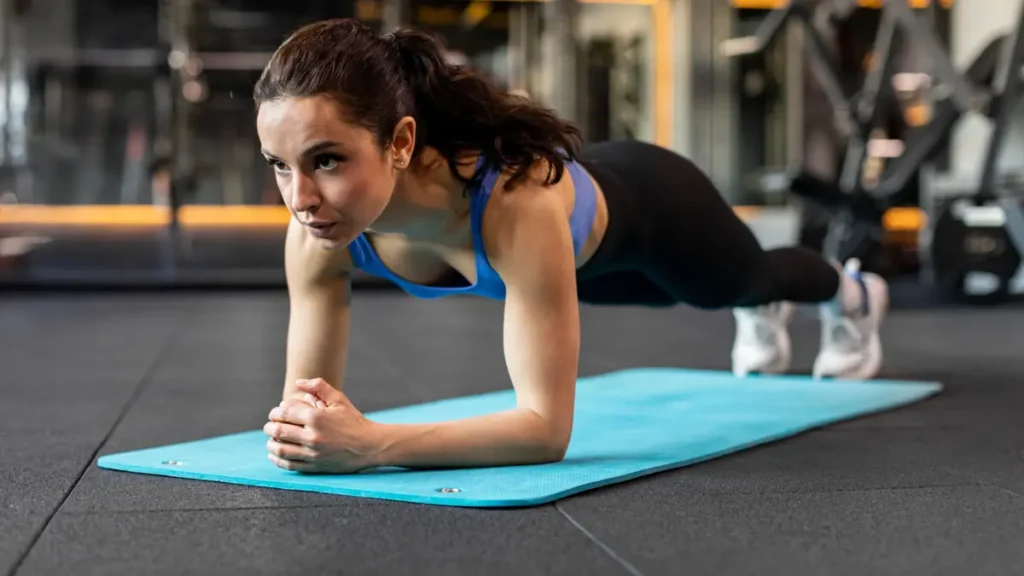
- 1 min plank
- Repeat x2
Afternoon (10 minutes)
- Brisk walk around the block or up and down stairs
- 2 min bodyweight lunges
- 2 min dips on a chair
- 3 min stretching
Evening (10 minutes)
- Yoga flow or mobility stretches
- Deep breathing and core holds
Total daily movement: 30 minutes. Felt during the day: almost nothing.
This approach also guards against “all or nothing” thinking. Missed your morning workout? There are still two more opportunities throughout the day.
Habit 3 — Emphasize Strength Over Cardio (Really)
The Science Has Changed
For decades, cardio was king. Run more, bike more, sweat more. But the 2026 Health Guide pushes back on this — and rightly so.
Strength training, even in brief sessions, provides what cardio alone cannot: it alters your metabolism. Muscle-building drives up the number of calories your body burns at rest, so you burn more even while sitting at a desk or sleeping.
This is a game-changer for busy people.
Here’s a quick comparison:
| Workout Type | Calories Burned During | After-Burn Effect | Muscle Building | Metabolic Boost |
|---|---|---|---|---|
| 30-min cardio | High | Low | Minimal | Short-term |
| 30-min strength | Moderate | High (up to 48 hrs) | Significant | Long-term |
| Combined (15+15) | High | Moderate-High | Moderate | Strong |
The “after-burn effect” (technically called EPOC — Excess Post-Exercise Oxygen Consumption) means your body continues to burn calories for hours after you finish a strength session. This is a huge advantage for someone who can only work out 20–30 minutes per day.
What to Focus On
The 2026 Health Guide advises focusing on compound movements — exercises that engage multiple muscle groups at the same time.
Top five for busy people:
- Squats — legs, glutes, core
- Push-ups — chest, shoulders, triceps, core
- Deadlifts (or hip hinges) — back, hamstrings, glutes
- Rows — upper back, biceps
- Planks — full core stability
Two to three sessions a week at twenty minutes each are enough for real change to occur within 6–8 weeks.
Habit 4 — Leverage the Power of a Regular Wake-Up Time
Your Clock Is a Fitness Tool
This habit lies at the intersection of sleep science and exercise behavior.
The surprising truth is your wake-up time matters more than your workout time. Those who get up at the same hour each day are far more likely to work out regularly, eat better meals, and retain energy all day.
That’s your circadian rhythm — your body’s internal 24-hour clock. When that balance is disrupted (by irregular sleep schedules, late nights, or sleeping in), your energy and motivation — not to mention hormone levels that help support exercise — get thrown out of whack.
How This Habit Plays Out in Real Life
The 2026 Health Guide recommends:
- Pick one wake-up time and endeavor to adhere to it, weekends included
- Don’t snooze — it fragments sleep and makes mornings harder
- Get your body moving within 30 minutes of waking, even if it’s just a quick 5-minute stretch
This doesn’t mean you have to do your entire workout in the morning. All that means is that your body begins its day with a cue to move, which creates a biological connection between waking and doing.
That lowers the mental friction around exercise big time, over time.
Sleep Quality Matters Too
Poor sleep sabotages every other fitness habit. When you’re sleep-deprived:
- Increased cortisol (stress hormone) levels make fat burning difficult
- Muscle recovery slows down
- Motivation to move drops sharply
- Hunger hormones rise, making healthy eating tougher
Targeting 7–8 hours is not negotiable. It is at the heart of the 2026 fitness framework. For more science-backed tips on building lasting health routines, visit Health Benefits 2026 — a great resource for busy people looking to improve their wellbeing without overhauling their entire lifestyle.
Habit 5 — Create a Weekly Movement Map (Not a Rigid Calendar)
Flexibility Is the Secret Weapon
The majority of fitness plans fail because they are too structured. If you skip a day, the entire scaffolding comes crashing down.
The 2026 Health Guide for Busy People offers a more intelligent solution: the Weekly Movement Map. Instead of committing specific workouts to specific days, you assign a weekly movement budget and fill it in according to how your week actually plays out.
Here’s what that looks like:
Sample Weekly Movement Map
| Movement Type | Weekly Target | Flexible Day Options |
|---|---|---|
| Strength training | 2–3 sessions | Mon, Wed, Fri — or any three days with a rest day in between |
| Cardio/walking | 150 min total | Split any way over seven days |
| Mobility/stretching | 3–4 sessions | Morning or before bed |
| Active recovery | 1–2 sessions | Weekend walks, light yoga |
Rather than saying to yourself, “I’ve got to go to the gym on Tuesday,” it’s more like, “By Sunday, I need three strength sessions logged and 150 minutes of movement in total.”
It allows you to move workouts around meetings, family commitments, or bad days — without the sense that you’ve failed.
How to Track It Simply
You don’t need a fancy app. Even just a plain old weekly habit tracker is good enough:
- Draw 7 boxes on a notepad
- Each day, mark what movement you did
- Try to complete your weekly goals by Sunday
The visual feedback of ticking boxes is more motivating than you’d think.
Habit 6 — Protect and Recover Like a Pro Athlete
Rest Is Not Laziness. It’s Strategy.
The sixth and final habit is the most underappreciated one of all, especially by driven, high-achieving busy people.
Recovery is training.
When you work out, you make microscopic tears in muscle fibers. These tears heal stronger than before — but only when you give them the time and conditions they need to mend. Skip recovery, and you can’t get stronger. You just get tired.
The 2026 Health Guide highlights three essential pillars of recovery:
Pillar 1: Active Recovery Days
Active recovery is about moving — but only lightly. Think:
- A 20-minute walk
- Light stretching or foam rolling
- Swimming or cycling at an easy pace
- Beginner yoga
It maintains circulation as well as aiding in muscle repair without placing more stress on the body.
Pillar 2: Nutrition Timing
You don’t even have to completely change your diet. But two small windows are very significant:
- Before exercise: A small snack containing carbohydrates and a bit of protein (for example, banana + peanut butter) fuels you.
- 30–60 minutes post-workout: Protein aids muscle rebuilding. Greek yogurt, a protein shake, or some eggs all do the job.
Pillar 3: Stress Management
Exercise is a physical stressor. Add high mental and emotional stress from work, family, or finances on top of that, and your body’s recovery systems get overwhelmed.
Simple stress-reduction practices that really work:
- 5-minute box breathing (inhale to a count of 4, hold 4 counts, exhale for 4, hold for another 4)
- Time spent without your phone — even 15 minutes
- Journaling — write down three things you did well that day
These aren’t soft additions. They’re recovery tools that have a direct impact on your fitness outcomes. The American Council on Exercise also backs stress management as a core component of any effective fitness program.
Putting It All Together — The Weekly Blueprint
Here’s how all six habits function as a single, coherent system for a real busy person:
| Habit | Time Required | When to Do It |
|---|---|---|
| Habit stacking | 0 extra minutes | Throughout the day |
| 10-minute workouts | 10–30 min/day | Morning, lunch, evening |
| Strength training | 20–30 min, 2–3x/week | Any flexible day |
| Consistent wake-up time | 0 extra minutes | Every day, same time |
| Weekly movement map | 5 min planning | Sunday evening |
| Recovery practices | 10–20 min | Post-workout or evening |
Total additional time per day: 20–45 minutes. That’s it.
Real Results You Can Expect
Individuals following all six habits from the 2026 Health Guide experienced the following within 8–12 weeks:
- Higher energy levels throughout the workday
- Improved sleep quality, getting to sleep faster and waking up feeling more rested
- Visible changes in body composition — less fat, more muscle tone
- Reduced stress and anxiety levels
- Increased focus and productivity during work hours
- Fewer sick days from better immune function
These aren’t dramatic overnight transformations. They’re steady, compounding results — the kind that really stick.
FAQs — Your Questions Answered
Q1: Is it true that I can get fit with only 10–20 minutes of exercise a day?
Yes — particularly if that’s what you do regularly. Ten dedicated minutes of bodyweight training every day is better than a two-hour stint in the gym every fortnight. Consistency always beats intensity when it comes to long-term health.
Q2: What happens if I skip a couple of days? Does the entire plan fall apart?
Not at all. And that’s precisely why Habit 5 (the Weekly Movement Map) exists. You have a full week to make your goals. Missing one day just means spreading that movement across other days. Life happens — the plan allows for this.
Q3: Do I need any kind of equipment to follow these habits?
No. All the exercises in this guide can be performed with just your bodyweight. If you’d like to progress eventually, a pair of dumbbells or resistance bands will suffice. But they aren’t required to get started.
Q4: Is this guide applicable to people over 50?
Absolutely. The habits are designed to be scalable. Strength training is particularly important for older adults to help maintain bone density and prevent the loss of muscle mass (sarcopenia). Always consult a doctor before beginning any new exercise program.
Q5: When should I start seeing results?
Most people feel revitalized within 1–2 weeks. Visible results usually show around 6–8 weeks with consistent effort. Body composition changes take around 3–6 months.
Q6: What is the one habit to start with?
Start with Habit 1 — Habit Stacking. It takes no additional time and it starts wiring your brain to associate everyday activities with movement. Once that becomes second nature, add in the other habits one at a time.
Conclusions — Small Changes, Big Impact
The 6 exercise habits from the Health Guide for Busy People (2026) aren’t focused on perfection. They’re about progress that works for your life.
You don’t need to take a sabbatical to get into shape. You don’t need a personal trainer and two hours in the gym every day. You need six smart habits — flexible, science-forward, and designed for the kind of life you’re actually leading.
Try one habit this week. Just one.
Stack some extra squats on top of your morning coffee. Wake up at the same time tomorrow. Take a 10-minute lunch break workout.
That’s it. That’s the beginning.
Your most powerful fitness transformation begins outside the gym. It begins with one small decision — repeated, day after day.
You’ve got this.