Why It’s So Difficult to Stay Motivated to Work Out (And How You Can Fix That)
Let’s be honest. The vast majority of folks begin a fitness journey electrified. They buy new sneakers. They download a workout app. They meal prep on Sunday.
Then, two weeks later… nothing.
Sound familiar?
You’re not lazy. You’re not weak. All you needed was the right tools in order to stay consistent. The 2026 Health Guide was designed to address precisely that need. It pulls together the newest research, advice from experts, and claim-busting strategies to keep everyday people motivated — not just for a month but for life.
That guide distills 11 powerful fitness motivation tips, which this article breaks down. All of them are simple, pragmatic, and scientifically supported. So whether you’re just beginning or trying to get back on track, these tips will provide the boost you need.
Let’s get into it.
Tip No. 1: Begin With a “Why” That Really Matters to You
Before you pick up a dumbbell or tie your shoes, ask yourself one question:
Why do I want to get fit?
Not the answer you think would sound great. The real answer.
“To look better” fades fast. But “I want to play with my kids without losing my breath” or “I want to feel good at my cousin’s wedding” — that hangs.
Your why is your fuel. It’s your why that gets you out of bed at 6 AM when the alarm goes off and your bed feels incredible.
How to Find Your Deep “Why”
Write down your fitness goal. Then ask “why does that matter?” five times in a row. The answers become increasingly personal and intense. This is known as the 5 Whys Method, and coaches use it all the time.
Tip No. 2: Set Goals That You Can Actually Measure
Big goals feel exciting. But they can also be overwhelming.
“Get in shape” is not a goal — it’s a wish. An example goal: “Do 20 push-ups in a row by April 30th.”
The 2026 Health Guide suggests utilizing the SMART goal framework. Here’s how that translates for fitness:
| SMART Element | What It Means | Fitness Example |
|---|---|---|
| S – Specific | Clear and detailed | “Run 3 miles” not “run more” |
| M – Measurable | You can track progress | “Lose 8 pounds in 8 weeks” |
| A – Achievable | Challenging but realistic | Based on your current fitness level |
| R – Relevant | Tied to your personal goals | Matches your health priorities |
| T – Time-bound | Has a deadline | “By June 1st” |
Divide large goals into smaller milestones. Celebrate each one. Progress is motivation’s best friend.
Tip No. 3: Create a Schedule in Advance
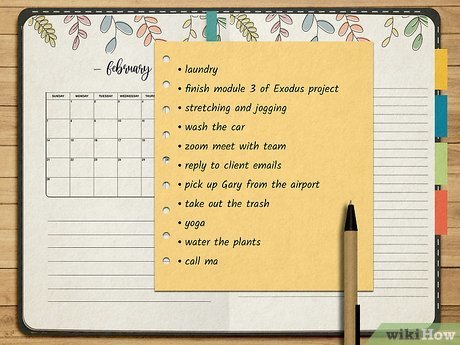
Here’s a truth people like to forget: You’ll be motivated after you take action, not before.
You don’t wait until you feel like brushing your teeth. You just do it. Fitness should have the same kind of mechanism.
According to the 2026 Health Guide, people who treat their workout like an appointment — same time, same days — were 3x more likely to stick for 90 days vs. those who exercised “whenever they felt like it.”
How to Create Your Fitness Schedule in Simple Steps
- Choose 3–5 days a week for activity
- Set a dedicated block of time (morning is usually best for most people)
- Stick it in your phone calendar and set a reminder
- Treat it like a meeting you cannot miss
When a habit locks in — typically 21 to 66 days — you won’t be as reliant on motivation. The behavior becomes automatic.
Tip No. 4: Shorten Workouts So That They Stick

What’s one of the most common mistakes that beginners make? Going too hard, too fast.
A 90-minute workout sounds impressive. But if it puts you down for three days, you don’t come back.
Start small. Stay consistent. Scale up.
According to the 2026 Health Guide, research shows that longer workouts done only occasionally are outdone by shorter (20–30 minute) steady workouts. Every single time.
The Power of Micro-Workouts
If 20 minutes seems like a lot, do this instead:
- 10-minute morning walk
- 10-minute lunchtime stretch
- 10-minute evening bodyweight routine
That’s 30 minutes of movement — divided into three bite-size portions. It counts. It adds up. And it is much easier to stay consistent with.
Tip No. 5: Log Your Progress Like a Pro
Nothing will kill motivation faster than feeling as if you’re stagnant.
Nothing is more motivating than seeing how far you’ve come.
Tracking your fitness progress — even in a plain notebook — gives your brain evidence that all of this effort is paying off. That proof keeps you going.
Top Methods for Tracking Your Fitness Progress in 2026
| Tracking Method | Best For | Tools to Use |
|---|---|---|
| Workout log | Strength & cardio progress | Notebook, Google Sheets |
| Body measurements | Seeing physical changes | Measuring tape |
| Progress photos | Visual transformation | Phone camera (weekly) |
| Fitness apps | All-in-one tracking | MyFitnessPal, Strava, Apple Health |
| Energy & mood journal | Mental and emotional gains | Any journal or notes app |
Pick two or three of these to stick with. Evaluate your progress every two weeks. You’d be surprised how motivated it makes you feel.
Tip No. 6: Look for a Workout That Doesn’t Feel Like Punishment
If you hate running, don’t run.
This may sound obvious — but so many people beat themselves up with workouts they hate and then wonder why they quit.
The best workout is the one you will actually do. The 2026 Health Guide makes this abundantly clear: enjoyment is the #1 predictor of long-term fitness consistency.
For a deeper look at how enjoyment connects to lasting wellness, visit Health Benefits 26 — a great resource for practical health and fitness guidance.
Fitness Activities Worth Exploring
- 🏋️ Weightlifting
- 🧘 Yoga or Pilates
- 🚴 Cycling (indoor or outdoor)
- 🥊 Boxing or kickboxing
- 💃 Dance fitness (Zumba, hip-hop aerobics)
- 🏊 Swimming
- 🥾 Hiking
- 🏀 Recreational sports (basketball, volleyball, pickleball)
Experiment with a different style each month until you find one that clicks. It’s easy to show up when you truly enjoy moving your body.
Tip No. 7: Leverage the Power of Social Accountability
Motivation is personal. But accountability is social — and it’s immensely powerful.
If someone else knows your goal, you are much more likely to follow through. A 2024 study referenced in the 2026 Health Guide showed that people with an accountability partner logged 65% more of their planned workouts than those going solo.
How to Build Accountability on Your Fitness Journey
Find a workout buddy. Someone with a schedule compatible with yours. You won’t want to let them down.
Join a fitness class or group. You show up when people know your name and face.
Share your goals publicly. Announce your fitness goal on social media or tell five people in your life. The peer pressure — in a positive sense — is real.
Hire a coach or personal trainer. One session a week is enough to keep you honest.
You are not in this alone. In fact, you probably shouldn’t be.
Tip No. 8: Rewire Your Self-Talk
Your brain hears every word you speak — particularly what you say about yourself.
“I’m so out of shape.” “I always quit.” “I’m not an athlete.” These thoughts aren’t just negative. They’re instructions. And your brain follows them.
The 2026 Health Guide devotes an entire chapter to fitness mindset — because the mental game is just as important as the physical one.
Switch These Common Negative Thoughts
| Negative Self-Talk | Powerful Replacement |
|---|---|
| “I can’t do this” | “I’m still figuring this out” |
| “I missed a day — I failed” | “One missed day doesn’t erase my progress” |
| “I’m not made for fitness” | “My body gets stronger every time I move it” |
| “This is too hard” | “Hard things make me stronger” |
| “I’ll never look like that” | “I’m becoming the best version of me” |
Pay attention to what you say to yourself before, during, and after a workout. Slowly replace the harsh words with kinder, more accurate ones. It works — and the science supports it.
Tip No. 9: Use Music, Podcasts, and Entertainment as Motivation Fuel
This one is simple and criminally underrated.
The perfect playlist can turn a grueling workout into something you happily do. Research suggests that music with a tempo of 120–140 BPM (beats per minute) can enhance workout performance by up to 15%.
The 2026 Health Guide suggests creating a separate workout playlist — something you only listen to while exercising. Your brain will begin to associate that music with action, energy, and focus.
According to a study published by the American Psychological Association, motivational music not only boosts mood but also improves physical endurance during exercise.
Other Entertainment Options That Keep You Moving
- Podcasts: Save your favorite episodes for workout time only
- Audiobooks: Turn cardio into “reading” time
- TV shows: Only watch your favorite series when on the treadmill or stationary bike
- Video workouts: YouTube is full of free, fun fitness content (HIIT, yoga, dance, etc.)
Make your workout the most enjoyable part of your day. That’s a strong incentive to show up.
Tip No. 10: Rest and Recovery Are Part of the Plan — Not an Excuse
So many motivated beginners hit the same wall: they try too hard and flame out — mentally or physically.
Rest is not weakness. Rest is strategy.
The 2026 Health Guide emphasizes that recovery days are where the real fitness gains happen. When you exercise, you’re breaking down muscle tissue. As you rest, your body repairs it — making it stronger than before.
Skipping rest means skipping results.
Signs You Need a Recovery Day
- Constant soreness that just doesn’t go away
- Feeling exhausted even after sleeping
- Dreading workouts that once made you happy
- Reduced performance in the gym
- Irritability or brain fog
What to Do on Recovery Days
- Light walk or gentle stretching
- Foam rolling
- Sleep (aim for 7–9 hours)
- Hydration and nutrition focus
- Meditation or breathwork
Give yourself permission to rest. Your body — and your motivation — will thank you.
Tip No. 11: Create an Environment Where Fitness Is the Easy Choice
Willpower is limited. Environment is forever.
The 2026 Health Guide calls this “environment design” — setting up your physical and digital spaces so that the healthy choice becomes the easy one.
If your running shoes are by the door, you will run more. If your gym bag is packed the night before, you are more likely to go. If there’s a workout app on your phone’s home screen, you’re more likely to open it.
Environment Design Tips for Fitness Success
At home:
- Keep workout equipment visible (mat, dumbbells, resistance bands)
- Lay out your gym clothes the night before
- Put a water bottle on your desk as a hydration reminder
On your phone:
- Set a daily movement reminder
- Follow fitness accounts that motivate (not shame) you
- Delete time-wasting apps you could replace with movement
In your schedule:
- Roll your workout into something you already do (e.g., after dropping kids at school)
- Prep healthy meals on Sundays to support your nutrition
Make doing the right thing easy. Make skipping hard. That’s the game.
How These 11 Tips Work Together
None of these tips work perfectly in isolation. But together? They create a system.
Here’s a quick visual overview of how they build on each other:
| Phase | Tips That Help Most | Focus Area |
|---|---|---|
| Getting Started | Tips 1, 2, 3 | Mindset & Planning |
| Building Consistency | Tips 4, 5, 6 | Habit Formation |
| Staying on Track | Tips 7, 8, 9 | Accountability & Mindset |
| Long-Term Success | Tips 10, 11 | Recovery & Environment |
Start with Phase 1. Lock those three things in before you start adding more. Layering habits gradually is so much more effective than trying to overhaul everything all at once.
FAQs: Fitness Motivation Tips
Q: How long does it take before I feel motivated to work out consistently? It usually takes 3–6 weeks of consistent effort before people organically become motivated. That’s because it takes time to form habits. Get past that first month, and it becomes markedly easier.
Q: What if I miss a few days — how do I get back on track? Do not try to make up for lost time. Just continue right from where you left off. One bad week doesn’t undo months of progress. The only way you can fail is to quit altogether.
Q: Do I have to join a gym to get in shape? Not at all. Bodyweight workouts, outdoor runs, cycling, and at-home fitness programs are all extremely effective. The gym is a tool, not a necessity.
Q: Is it common to lose motivation after a couple of weeks? Yes — this is sometimes referred to as the “enthusiasm cliff.” That initial excitement fades. This is precisely when habits, schedules, and accountability partners become essential. Tips 3 and 7 in this article were designed specifically for this moment.
Q: How much does nutrition affect fitness motivation? Very. With the right fuel for your body comes more energy, better mood, and stronger workouts. Poor nutrition can sap your motivation even when your mindset is right. Food is part of your motivation strategy.
Q: Does music actually improve my workouts? Absolutely. Several studies confirm that the right music reduces perceived effort and improves endurance. Create a specific workout playlist and rotate it out monthly.
Q: What time of day is best to work out for motivation? It depends on you. Morning workouts prevent skipping later, but if mornings aren’t your time, forcing it may be counterproductive. The best time is the one you actually stick to.
The Bottom Line: Motivation Is Developed, Not Inborn
Here’s what the 2026 Health Guide gets right that most fitness guidance gets wrong:
Motivation isn’t a personality trait. It’s a skill.
Some people seem naturally driven. But underneath it all, they have systems, habits, environments, and mindsets that make showing up feel effortless. You can build those same things — starting today.
Pick one or two tips from this list. Apply them this week. See how they feel. Then add one more.
The compound effect of small, consistent changes over time is staggering. This is not just a quote — this is how real fitness transformations happen.
You don’t need to be perfect. You just need to keep going.
The 11 fitness motivation tips in this article are based on the systems and research highlighted in the 2026 Health Guide articles, which focus on how regular people can build lasting, healthy habits.