Your Body Is Trying to Tell You Something. Are You Listening?
Most of us consider our health only when we get sick.
That’s like waiting for your car to break down before you check the oil.
Doctors and scientists aren’t the only ones who can prevent disease. It’s for everyone who wants to live longer, feel better, and do less battle with illness. And the best part? The 2026 Health Guide shows you don’t need complex routines or costly treatments to maintain good health.
All you need are six simple tricks — grounded in real science — that can be worked into your daily life.
This guide explains all six in plain language. No medical jargon. No overwhelming advice. Just straightforward, actionable steps that you can use today.
Let’s dive in.
Why Disease Prevention Is More Important Than Ever in 2026
The world has changed. Chronic diseases — including heart disease, type 2 diabetes, and certain cancers — have become the world’s leading killers. Noncommunicable diseases account for about 74% of all deaths worldwide.
The shocking part? Many of these diseases are largely preventable.
That means the decisions you make every single day — what you eat, how you sleep, how much you move — dictate how healthy your future will be.
The 2026 Health Guide was structured around one potent lesson: it’s easier to prevent disease than to treat it. And those six tricks are the essence of that idea.
Trick 1 — Wash Your Hands Like They’re the Difference Between Life and the Afterlife (Because It Is)
The Simplest Weapon Against Illness
It almost sounds too easy. Yet it’s still one of the most powerful disease prevention tools science has ever identified.
According to the Centers for Disease Control and Prevention, proper handwashing can lower respiratory illnesses — like colds and the flu — by 21%, and diarrheal diseases by 58%.
These are huge numbers for something that only takes 20 seconds.
Here is what most people get wrong: they wash them too quickly, at the wrong times, or not thoroughly enough. The 2026 Health Guide has a very specific approach.
The Right Way to Wash Your Hands
| Step | Action | Time |
|---|---|---|
| 1 | Wet hands with clean running water | 2 seconds |
| 2 | Apply soap and lather both sides | 3 seconds |
| 3 | Scrub all surfaces including between fingers and under nails | 10–15 seconds |
| 4 | Rinse thoroughly under running water | 3 seconds |
| 5 | Dry with a clean towel or air dry | 5 seconds |
Total: 20–30 seconds minimum.
When You Must Wash Your Hands
- Before and after preparing food
- Before eating
- After using the toilet
- After touching animals or pets
- After coughing, sneezing, or blowing your nose
- After touching garbage or public surfaces
- After caring for a sick person
This one habit could be enough to stop your immune system from having to expend all its energy fighting off preventable infections — and free it up to fight off something far worse.
Trick 2 — Eat the Rainbow Every Single Day
Food Is Your First Line of Defense
This is a truth no one ever sees: your diet controls your immune system.
What you eat — or don’t eat — either strengthens your body’s ability to fight off disease or cripples it. The 2026 Health Guide places nutrition at the very center of disease prevention, and it has great reason to.
Diets abundant in fruits and vegetables have been associated with remarkably reduced risks of heart disease, stroke, type 2 diabetes, and a number of cancers. A large-scale study published in the Lancet found that more people died worldwide from a poor diet than from smoking.
Let that sink in.
What It Really Means to “Eat the Rainbow”
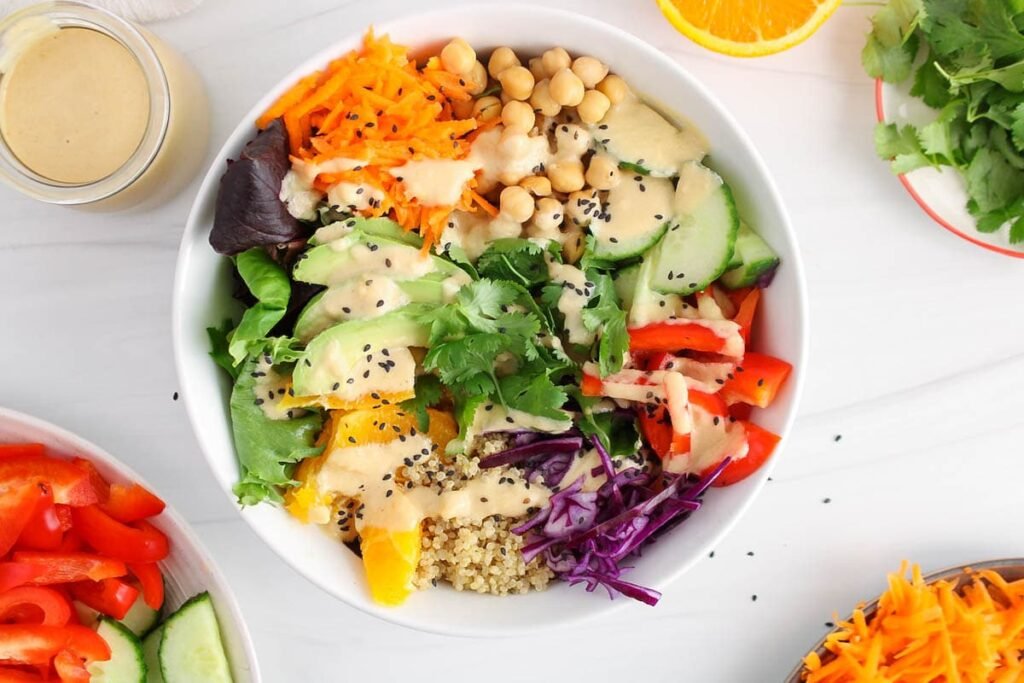
This isn’t simply a slogan. Colored fruits and vegetables contain different disease-fighting compounds called phytonutrients. Different colors stimulate different systems in your body.
| Color | Key Foods | Disease-Fighting Benefit |
|---|---|---|
| Red | Tomatoes, strawberries, watermelon | Heart health, cancer protection |
| Orange/Yellow | Carrots, mangoes, sweet potato | Immune boost, eye health |
| Green | Spinach, broccoli, kale | Detoxification and cancer prevention |
| Blue/Purple | Blueberries, eggplant, grapes | Brain health and anti-aging |
| White/Brown | Garlic, onions, mushrooms | Antibacterial and cholesterol control |
Eat Better Without Restructuring Your Life
You don’t have to turn into a health food fanatic. Small swaps can have a big impact:
- Mix in a handful of spinach with scrambled eggs
- Replace white rice with a half-and-half blend of cauliflower rice
- Have a fruit bowl on the counter (visible food gets eaten)
- Top your morning oatmeal or yogurt with berries
- Choose carrot sticks with hummus instead of chips
Consistency is way more important than perfection. Even two or three additional servings of colorful produce each day can significantly reduce your lifetime risk of disease.
Trick 3 — Treat Sleep Like a Non-Negotiable Health Investment
You Can’t Out-Exercise or Out-Eat Bad Sleep
Sleep is not a luxury. It is a biological imperative — and one of the most potent disease prevention weapons your body possesses.
Your body is performing a full maintenance cycle while you sleep. It repairs damaged cells, consolidates immune memory, regulates hormones, and removes toxins from the brain. All of this occurs with less efficiency when you’re sleep-deprived.
According to research from the University of California, San Francisco, people who get fewer than six hours of sleep a night are four times more likely to infect themselves with a cold virus compared with those who sleep seven or more hours.
Four times. From simply sleeping less.
What Sleep Deprivation Does to Your Body
| System Affected | What Happens with Poor Sleep |
|---|---|
| Immune system | Fewer infection-fighting cells produced |
| Heart health | Higher blood pressure and inflammation |
| Blood sugar | Increased insulin resistance |
| Mental health | Greater risk of depression and anxiety |
| Weight regulation | Hunger hormones rise, cravings spike |
| Brain function | Memory and focus significantly impaired |
How to Actually Sleep Better Tonight
Here are the research-backed sleep recommendations in the 2026 Health Guide:
- Stick to a regular sleep and wake routine — even on weekends. This anchors your circadian rhythm.
- Stop screen time one hour before bed. Melatonin, your sleep hormone, is suppressed by blue light.
- Keep your bedroom at a cool temperature — about 65–68°F (18–20°C) is ideal for sleep.
- Avoid caffeine after 2 PM. Caffeine’s half-life is 5–6 hours, but it lingers in your system longer than most people think.
- Establish a wind-down ritual — 15 minutes of reading, stretching, or quiet music tells your brain sleep is coming.
Seven to nine hours isn’t just a recommendation. According to the 2026 Health Guide, it is a disease prevention strategy.
Trick 4 — Get Moving for 30 Minutes Every Day
Exercise Is Medicine — And the Dose Is Surprisingly Small
You don’t have to run marathons to prevent disease.
The 2026 Health Guide points to a striking finding: just 30 minutes of moderate exercise a day can cut your risk of heart disease by as much as 35%, type 2 diabetes by up to 50%, some cancers by as much as 20%, and depression by nearly 30%.
That’s 30 minutes. Not two hours. Not an intense boot camp. Just consistent, moderate movement.
This is part of the reason why the guide puts such emphasis on daily movement as one of the cornerstones of easy disease prevention — and why resources like Health Benefits 2026 consistently highlight exercise as one of the top health factors anyone can control.
What Counts as Moderate Exercise?
Many people don’t realize how many daily activities qualify:
| Activity | Intensity Level | Disease Prevention Value |
|---|---|---|
| Brisk walking | Moderate | High |
| Cycling (leisure) | Moderate | High |
| Swimming | Moderate-High | Very High |
| Dancing | Moderate | High |
| Gardening | Light-Moderate | Moderate |
| Yoga | Light-Moderate | Moderate-High |
| Hiking | Moderate-High | Very High |
The Sitting Disease Is Real
Here’s something the 2026 Health Guide makes quite clear: sitting for long periods is dangerous, even if you exercise.
Research now indicates that sitting for over 8 hours a day greatly increases your risk of heart disease, diabetes, and premature death — no matter how much gym time you log afterward.
The fix is so simple: interrupt long sitting hours every 30–60 minutes. Stand up. Walk for 2 minutes. Stretch. That’s enough to counter the harmful effects of extended sitting.
Set a phone timer if that helps. Your heart will thank you.
Trick 5 — Deal with Stress Before It Deals with You
Stress Isn’t Only in Your Head — It’s in Your Cells
Most people understand stress as an emotional issue. The 2026 Health Guide lays it out in black and white: chronic stress is a risk factor for physical disease.
When the body stays stressed over a long period of time, it generates elevated levels of the hormone cortisol. In small doses, cortisol is beneficial — it helps you react to danger. But when stress is unrelenting and cortisol remains elevated for weeks or months at a time, the body suffers serious damage.
Chronic stress is associated with:
- Weakened immune function
- Higher blood pressure
- Increased risk of heart disease
- Disrupted sleep patterns
- Increased risk of anxiety and depression
- Faster cellular aging
According to the American Psychological Association, 77% of people regularly experience physical symptoms caused by stress. That makes managing stress not optional — it’s critical disease prevention.
6 Stress-Busting Techniques That Take 10 Minutes or Less
You don’t need a spa day or a two-week vacation to manage stress effectively. These short practices have been shown to reduce cortisol and calm your nervous system:
| Technique | Time Needed | How It Works |
|---|---|---|
| Box breathing | 5 minutes | Slows heart rate, activates calm response |
| Gratitude journaling | 5–10 minutes | Shifts brain focus from threat to positive |
| Nature walk | 10 minutes | Lowers cortisol, improves mood |
| Progressive muscle relaxation | 10 minutes | Releases physical tension stored in body |
| Meditation or mindfulness | 5–10 minutes | Trains brain to respond vs. react to stress |
| Digital detox break | 10–15 minutes | Reduces mental overload and anxiety |
The Social Connection Factor
An often-overlooked buffer against stress: human connection.
Research from Brigham Young University found that individuals with robust social connections are 50% more likely to survive than those who have weak social ties. Loneliness and isolation are as deadly as smoking 15 cigarettes a day.
Call a friend. Have dinner with family. Join a community group. These are not merely feel-good activities — they’re disease prevention habits.
Trick 6 — Engage With Preventive Health Screenings

Don’t Wait for Symptoms. Most Diseases Don’t Give You a Heads Up.
This is the trick most people skip — and it’s usually the most life-saving one.
Many severe illnesses — high blood pressure, type 2 diabetes, some cancers, and high cholesterol — don’t show any symptoms early on. You could feel perfectly well while a condition secretly advances.
Routine health screenings detect these problems early — when they’re easiest and least costly to treat.
The 2026 Health Guide sets out a simple framework for what to screen for and at what age:
Recommended Health Screenings by Age Group
| Screening | Who Needs It | How Often |
|---|---|---|
| Blood pressure check | Everyone 18+ | At least once a year |
| Cholesterol panel | Everyone 20+ | Every 4–6 years (more often if at risk) |
| Blood glucose/diabetes | Everyone 45+ (or younger if overweight) | Every 3 years |
| Colorectal cancer | Everyone aged 45–75 | Every 1–10 years depending on method |
| Breast cancer (mammogram) | Women aged 40–74 | Every 1–2 years |
| Cervical cancer (Pap smear) | Women aged 21–65 | Every 3 years |
| Skin cancer check | Everyone | Annually (especially with high sun exposure) |
| Eye and dental exam | Everyone | Once or twice a year |
| Mental health screening | Everyone | Annually or as needed |
Vaccinations Are Prevention Too
The 2026 Health Guide notes that vaccines are among the greatest disease-fighting tools in human history.
Being up to date on recommended vaccinations — including flu shots, COVID-19 boosters, shingles vaccines (for people over 50), and several more — cuts your risk of serious illness by a wide margin.
The CDC estimates that vaccines prevent 2 to 3 million deaths worldwide every year. That’s prevention at its most effective.
The Full Picture — How All 6 Tricks Work Together
These six tricks aren’t all distinct strategies. They form a connected system. Here’s how they overlap and amplify one another:
| Trick | Primary Benefit | Secondary Benefit |
|---|---|---|
| Hand hygiene | Prevents infection | Reduces immune system burden |
| Eat the rainbow | Boosts immunity | Lowers chronic disease risk |
| Quality sleep | Repairs body systems | Strengthens immune response |
| Daily movement | Reduces disease risk | Improves mental health |
| Stress management | Lowers cortisol | Improves sleep and immunity |
| Health screenings | Early detection | Peace of mind and prevention |
Do all six together — even imperfectly — and you weave a powerful, compounding shield around your health.
Real-World Results: What Happens When You Apply These Tricks
Over 8–12 weeks, people who regularly adopt the six simple disease prevention tips from the 2026 Health Guide report the following improvements:
- Reduced incidence of colds and infections all year long
- Stable energy in the afternoons without crashes
- Improved sleep quality — falling asleep more quickly and waking up feeling more refreshed
- Lower blood pressure and cholesterol levels at checkups
- Lower anxiety and improved mood stability day to day
- Greater sense of control over their own health
These aren’t dramatic, overnight miracles. They are the natural outcome of making small, consistent choices every day.
FAQs — Clear Answers to Your Most Urgent Questions
Q1: Are these disease prevention tricks age-appropriate for everybody?
Yes. All six tricks can be adapted for kids, adults, and seniors. Certain details — like screening timetables — differ depending on age, but the general habits apply universally. Always check with your doctor for personal advice.
Q2: How soon after starting these habits will I feel a difference?
Some benefits come fast. Improved energy can come within a week of better sleep. Stress-reduction techniques can typically deliver results in days. Larger benefits — such as reduced disease risk — accrue over weeks and months of consistency.
Q3: Do I have to do all six tricks at once?
No. Focus on one or two that seem most manageable. Layer in others gradually. Just two or three of these habits practiced consistently will meaningfully reduce your disease risk.
Q4: Is healthy eating more important than exercise for disease prevention?
Both are important, and they function best in tandem. But studies do show that poor diet, worldwide, is associated with more deaths than physical inactivity. If you can start with only one, diet improvement is generally more impactful in the long run — but try to integrate both over time.
Q5: What should I do if I cannot afford regular health screenings?
Many screenings are free or low-cost through community health centers and public health clinics. Many pharmacies offer free blood pressure checks. Do talk with your doctor about what you can access, and prioritize free or low-cost options in your community.
Q6: Can stress actually make me physically sick?
Absolutely. This is well-established science. Chronic stress increases inflammation in the body, decreases immune response, raises blood pressure, and disrupts hormones — each directly increasing disease risk over time.
Q7: What is the 2026 Health Guide doing differently than older health advice?
The 2026 Health Guide focuses on minimum effective habits — the smallest, most useful actions with the biggest disease prevention payoff. It was built around the busy lives of actual people, not ideal conditions. It favors consistency over perfection and flexibility over hard-and-fast rules.
The Bottom Line — Prevention Is a Daily Decision
Disease doesn’t usually arrive overnight. It accumulates bit by bit — through years of decisions, stacked on top of one another.
The good news: prevention behaves similarly.
Every time you wash your hands properly, add a serving of vegetables to your plate, get to bed on time, go for a 30-minute walk, breathe through your stress, or show up for a health screening — you are making a deposit into your long-term health account.
The 6 easy disease prevention tricks from the 2026 Health Guide aren’t about being perfect. They’re about being consistent. They’re about making a few slightly better decisions today than the ones you made yesterday.
Focus on one trick this week. Just one.
Choose the one that seems easiest to you. Do it every day for seven days. Then add another.
Before you know it, these habits won’t even seem like tricks. They’ll simply feel like your life.
And your body — stronger, healthier, and more resilient — will reflect the results.