Your Brain Can Do Better Than What You Feed It
Almost everyone looks after their body. They watch what they eat. They go to the gym. They try to sleep on time.
But the brain? It usually gets ignored.
That’s a problem. Because your brain controls everything. Your mood, your memory, your focus, your decisions — all of it goes through that 3-pound organ tucked away inside your skull.
The good news is that brain health isn’t rocket science. You don’t need expensive supplements. You don’t have to have a degree in neuroscience. You just need the right practices — grounded in real science.
In this 2026 Health Guide, we’re revealing 7 secret brain health tips most people have never heard of. These aren’t generic pieces of advice like “eat your vegetables.” These are some specific, powerful strategies that researchers are really excited about at the moment.
Let’s get into it.
Brain Health Is the Biggest Health Topic of 2026
The world is finally sitting up and taking notice of the brain.
By 2050, dementia cases are expected to nearly triple. One in eight people around the world experiences a mental health disorder. Brain fog, burnout and difficulty focusing have become common complaints — even among young adults.
Meanwhile, neuroscience has exploded. More is known about the brain today than at any point in human history. What they’re finding is both exciting and straightforward:
The brain can change. It can grow. It can heal.
This ability is called neuroplasticity. It means your brain is not fixed. The choices you make each and every day either build your brain or destroy it.
These 7 brain health tips in this guide are based on that concept. All are evidence-based strategies to defend, fortify and hone your brain — at any age.
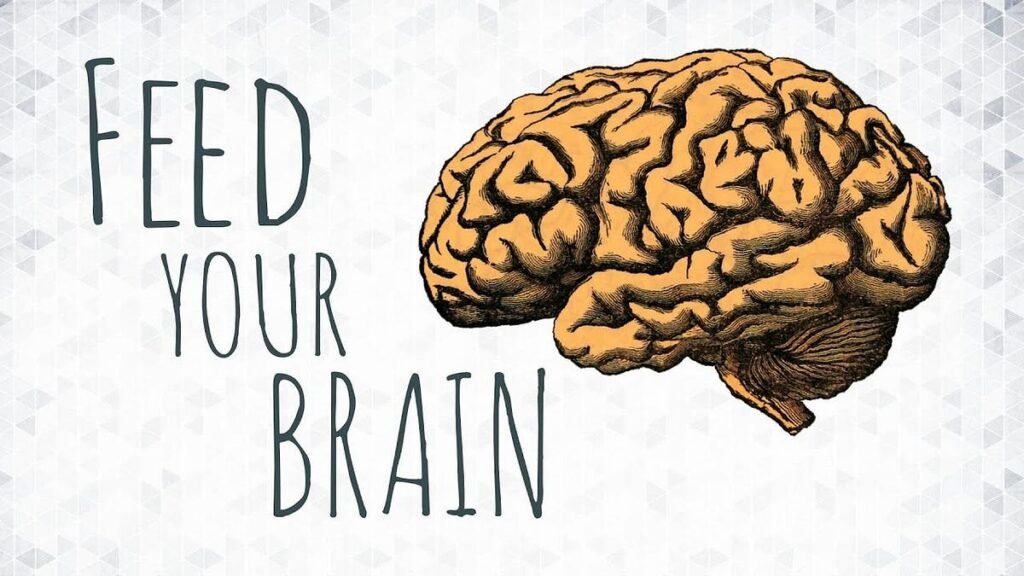
Tip #1 — Feed Your Brain, Not Just Your Stomach
The Food-Brain Connection That Most People Miss
What you eat affects your brain function. This isn’t a metaphor. It’s biology.
Your brain uses about 20% of your total daily calories — and it accounts for only 2% of your body weight. It’s the most energy-hungry organ you possess. And what you feed it makes a huge difference.
One of the hottest fields of research in 2026 is known as nutritional psychiatry. Researchers are discovering direct connections between what you eat and how your brain works — through moods, memory, attention span and the risk of disease later in life.
The MIND Diet — Designed With Your Brain in Mind
The MIND Diet (Mediterranean-DASH Intervention for Neurodegenerative Delay) was designed specifically to help protect the health of the brain. According to a study at Rush University, those who adhered closely to this diet had a 53 percent lower risk of developing Alzheimer’s disease.
Here’s what the MIND Diet emphasizes:
| Brain-Boosting Foods | Why They Work |
|---|---|
| Leafy greens (spinach, kale) | Rich in folate and vitamin K for memory |
| Blueberries and strawberries | Antioxidant compounds that lessen inflammation in the brain |
| Walnuts and nuts | Omega-3s and vitamin E for protection of brain cells |
| Fatty fish (salmon, sardines) | DHA — the most important fat for brains |
| Olive oil | Reduces oxidative stress on brain tissue |
| Whole grains | Steady glucose supply for consistent focus |
| Beans and legumes | B vitamins that help with neurotransmitter function |
What to Cut Back On
What you reduce is as important as what you add. Here are the biggest brain health offenders:
- Ultra-processed foods — associated with faster cognitive decline
- Sugar-sweetened beverages — linked with smaller brain volume
- Trans fats — proven to elevate Alzheimer’s risk
- Excessive alcohol — damages brain tissue over time
The basic guideline: if it’s packaged with a long ingredient list, your brain likely doesn’t want it.
Tip #2 — Sleep Is the Cleaning Activity of Your Brain

Did You Know About This Overnight Brain Detox?
Here’s something most people don’t know. During sleep, your brain turns on a cleaning system.
It’s known as the glymphatic system — just discovered in 2013. Brain cells shrink by as much as 60% in deep sleep. This creates room for cerebrospinal fluid to wash away toxic waste — including a protein called beta-amyloid, which has been closely tied to Alzheimer’s disease.
In other words: sleep isn’t simply a break for your brain. It washes it.
How Sleep Deprivation Affects Your Brain
Missing out on sleep doesn’t just leave you feeling tired. It’s permitting toxic accumulation in your brain.
| Sleep Duration | Brain Impact |
|---|---|
| Less than 5 hours/night | 2–3x higher risk of dementia |
| 6 hours/night | Impaired decision-making, poor memory consolidation |
| 7–9 hours/night | Optimal glymphatic function, strong memory |
| More than 10 hours/night | Associated with depression and cognitive decline |
Most adults’ sweet spot is 7 to 9 hours a night.
3 Sleep Habits That Safeguard Brain Health
1. Keep a consistent sleep schedule. One of the most powerful things you can do for your brain is to go to bed and wake up at a consistent time every day, even on weekends. It regulates your circadian rhythm, which governs brain repair cycles.
2. Ensure your bedroom is cool and dark. Deep sleep cools your brain. Keeping the room cool (around 65–68°F or 18–20°C) encourages this process. Melatonin is released in darkness — the hormone that initiates the sleep cycle.
3. One hour before bed, screens should be turned off. The blue light emitted by phones and laptops stops melatonin production. It fools your mind into believing it’s still daytime. Switch screens for reading, stretching or quiet conversation.
Tip #3 — Move Your Body, Grow Your Brain
Exercise Is the Most Effective Brain Drug Ever Discovered
This is not an exaggeration.
When you exercise, your brain produces a protein called BDNF — Brain-Derived Neurotrophic Factor. Scientists refer to it as “Miracle-Gro for the brain.” BDNF helps grow new brain cells, strengthens the synaptic connections between them and even protects against neurodegenerative diseases.
A groundbreaking study published in the Proceedings of the National Academy of Sciences discovered that regular aerobic exercise increased the size of the hippocampus — the brain’s memory center — by 2 percent within a year. As we get older, the hippocampus shrinks around 1–2% a year without exercise.
That means physical activity not only slows brain aging. It can actually reverse it.
What Types of Exercise Are Best for the Brain?
| Exercise Type | Brain Benefit |
|---|---|
| Brisk walking (30 min/day) | Increases BDNF levels, contributing to better mood and memory |
| Strength training (2x/week) | Increases executive function and focus |
| Swimming | Full-body aerobic exercise with low joint stress |
| Dancing | Combines movement with coordination and rhythm — double brain benefit |
| Yoga | Reduces cortisol (stress hormone) that destroys brain cells |
The 20-Minute Rule
You don’t have to break a sweat to reap brain benefits. Studies show that just 20 minutes of moderate aerobic activity causes a dramatic spike in BDNF and enhances cognitive performance for hours afterward.
A 20-minute stroll before an exam, work presentation or creative task can actually sharpen your performance.
Tip #4 — There Is a Constant Conversation Between Your Gut and Your Brain
The Other Brain You Never Knew You Had
Your gut has its own nervous system. It contains more than 500 million neurons — more than the spinal cord. Scientists refer to it as the enteric nervous system, or your “second brain.”
The gut and brain are in constant communication with one another via a channel known as the gut-brain axis. The superhighway of this connection is the vagus nerve, a long pathway that travels from your brainstem all the way down through your gut.
Here’s the bit that most people find shocking: your gut creates 90% of your body’s serotonin — the happiness chemical. Not your brain.
This means your gut controls the state of your mood, your stress response and even your cognitive function.
How to Build a Gut Your Brain Is Happy With
The answer lies in your gut microbiome — the trillions of bacteria that reside inside your digestive system. Brain function is supported by a diverse, healthy microbiome. A compromised microbiome is associated with depression, brain fog, anxiety and even Alzheimer’s.
| Foods That Promote a Healthy Microbiome | Brain-Supportive Effects |
|---|---|
| Fermented foods (yogurt, kimchi, kefir) | Raise serotonin levels and decrease anxiety |
| High-fiber vegetables and fruits | Feed good gut bacteria |
| Prebiotic foods (garlic, onions, bananas) | Prompt development of brain-supporting bacteria |
| Bone broth | Restores gut lining, reduces neuroinflammation |
What Destroys Your Gut-Brain Connection
- Antibiotics (when overused) — decimate good bacteria
- Chronic stress — reshapes gut microflora quickly
- Processed sugar — starves the good bacteria while feeding the bad ones
- Artificial sweeteners — shown to upset microbiome balance
Taking care of your gut is, quite literally, taking care of your brain.
Tip #5 — Stress Is Physically Shrinking Your Brain
The Brain Under Chronic Stress — It’s Not Pretty
Stress is not just a feeling. It’s a chemical phenomenon in your head.
When under stress, your body releases cortisol — the primary stress hormone. Cortisol is useful in small doses. It sharpens focus in an emergency.
But when cortisol remains elevated for days, weeks or months — that’s when the damage begins.
Chronic high cortisol:
- Destroys neurons in the hippocampus (your memory center)
- Shrinks the prefrontal cortex — responsible for decision-making and focus
- Enlarges the amygdala (the fear and anxiety center of your brain)
- Inhibits the formation of new memories
- Increases risk for anxiety and depressive disorders
A Yale University study showed that people under chronic stress had measurable reductions in brain volume — visible on their brain scans.
Stress is actually shrinking your brain.
4 Science-Backed Ways to Reduce Cortisol
1. Mindfulness meditation — only 10 minutes per day According to a Harvard study, there was an increase in gray matter density within the hippocampus and a decrease in the size of the amygdala after completing mindfulness meditation for just 8 weeks. You’ll start to notice shifts with just ten minutes a day.
2. Time in nature Research published in the Proceedings of the National Academy of Sciences showed that a 90-minute walk in nature decreased activity in parts of the brain associated with rumination — or anxious, repetitive thinking.
3. Deep breathing (4-7-8 technique) Inhale for 4 counts, hold for 7, exhale for 8. This triggers the parasympathetic nervous system — the body’s “rest and repair” mode — and reduces cortisol in minutes.
4. Social connection Loneliness raises cortisol. Oxytocin is released from positive social interactions and directly counters stress hormones. Making a phone call to a friend is not just nice — it’s neurologically protective.
Tip #6 — Treat Your Brain Like a Muscle
The Myth of the “Fixed” Brain
For most of the last century, scientists believed the adult brain to be fixed. You were born with a certain number of brain cells, and that was it.
We now know that’s completely wrong.
The brain can create new neurons throughout your entire life. This process is called neurogenesis. And it can be encouraged — or suppressed — by how you live.
The central principle is “use it or lose it.” Brain circuits that are given regular challenges grow stronger. Those that are ignored grow weaker and fade.
The Best Brain Training Activities in 2026
Not all “brain training” is created equal. Here is what the research says actually works:
| Activity | Brain Benefit | Difficulty Level |
|---|---|---|
| Learning a new language | Builds new neural pathways, delays dementia by ~5 years | High |
| Playing a musical instrument | Engages multiple brain regions simultaneously | Medium–High |
| Reading complex books | Strengthens language networks and focus | Medium |
| Strategy games (chess, Go) | Builds planning and executive function | Medium |
| Learning a new skill (cooking, coding, craft) | Triggers neurogenesis through novelty | Varies |
| Solving puzzles (crosswords, Sudoku) | Maintains existing neural connections | Low–Medium |
The Novelty Rule
The most crucial word in brain training is novelty. Your brain grows the most when it is exposed to new things.
Once an activity becomes routine and automatic, it ceases to be a powerful stimulant for your brain. This is why crossword puzzles become less effective once you have mastered them.
Keep challenging your brain with new experiences. New paths to walk. New recipes to explore. New skills to learn. Novelty is the lifeblood of brain growth.
Tip #7 — Human Connection Is a Brain Health Superpower
Loneliness Is as Dangerous as Smoking
This is one of the most groundbreaking discoveries in the field of neuroscience.
In 2023, the U.S. Surgeon General declared loneliness a public health crisis. Chronic loneliness has been shown to:
- Increase the risk of dementia by 40%
- Raise risk of stroke by 32%
- Be as harmful to your health as smoking 15 cigarettes a day
- Speed up cognitive decline in older adults
Your brain was built for social connection. It is literally hardwired to need other people.
The Effects of Social Interaction on the Brain
When you engage in a deep, meaningful conversation, your brain lights up in extraordinary ways:
- The prefrontal cortex activates — boosting logic and compassion
- Oxytocin is released — lowering stress and inflammation
- Mirror neurons fire — building emotional intelligence
- New neural pathways grow — particularly during deep and complex conversations
A Harvard long-term study — the longest-ever study of human happiness — tracked people for more than 80 years. Its central finding? The quality of your relationships is the single best predictor of a healthy brain in old age.
Not your diet. Not your exercise habits. Your relationships.
For more science-backed daily wellness strategies like these, explore Health Benefits 2026 — your go-to resource for the latest in brain and body health.
Little Things You Can Do to Build a Stronger Social Brain
- Engage in a minimum of one deep face-to-face conversation every day
- Consider joining a club, class or community group
- Volunteer — social purpose is a potent ally for the aging brain
- Put your phone away when talking with others (splitting attention weakens connection)
- Connect with someone you’re not in very regular contact with — this week
The 2026 Daily Brain Health Checklist
Here is a simple daily framework for practicing all 7 tips:
| Time of Day | Brain Health Action |
|---|---|
| Morning | Eat a brain-boosting breakfast (oats, berries, walnuts) |
| Morning | 20-minute walk or exercise session |
| Midday | Eat a gut-friendly lunch (fermented foods, leafy greens) |
| Afternoon | Learn something new — read, practice a skill, study |
| Evening | Have a meaningful conversation with someone |
| Evening | 10-minute mindfulness or deep breathing session |
| Night | Wind down without screens — sleep 7–9 hours |
Print this out. Put it on your wall. Little things we do each day add up to extraordinary brain health over months and years.
FAQs About Brain Health Tips
When should I start thinking about brain health?
The earlier the better — but it’s never too late. Brain habits formed in your 20s and 30s create a stronger foundation. Yet studies repeatedly find that people in their 60s, 70s and even 80s can enhance brain function with the right lifestyle adjustments.
Can you really stop Alzheimer’s disease?
While there’s no guaranteed way to prevent dementia, research suggests that lifestyle factors — including exercise, diet, sleep, stress management and social connection — can delay or prevent up to 40 percent of cases. These 7 brain health tips tackle all of those factors.
How quickly can you improve brain health?
Some benefits are almost immediate. A brisk 20-minute walk improves concentration for hours. A good night’s sleep strengthens memory the following day. Bigger structural changes — like increased hippocampus size — happen after 8–12 weeks of consistent habits.
Is brain fog an indicator of poor brain health?
It is common to have occasional brain fog after a bad night of sleep or too much stress. Yet ongoing brain fog can indicate chronic sleep deprivation, imbalances in the gut microbiome, nutritional deficiencies or chronic stress. If it doesn’t improve with better sleep and diet, talk to a doctor.
Do brain training apps really work?
The evidence on commercial brain training apps (like Lumosity) is mixed. Most research indicates they boost performance on the specific tasks within the app, but there is little transfer to broader real-world cognitive skills. Learning a new language, instrument or skill is far more effective.
How does stress impact memory specifically?
The stress hormone cortisol directly disrupts the hippocampus — your brain’s memory storage center. Elevated cortisol levels impede the creation of new memories and make existing ones harder to access. That is why you become forgetful during stressful times.
Is coffee good or bad for your brain?
The consumption of coffee in moderation — between 1 and 3 cups daily — is linked to reduced risk of Alzheimer’s and Parkinson’s disease. Caffeine blocks adenosine receptors in your brain, making you more awake and more focused. However, large amounts of caffeine disrupt sleep, which completely nullifies the brain benefits. For a deeper look at how everyday habits affect your long-term health, visit Harvard Health Publishing — a trusted source of expert-reviewed brain and mental health research.
Conclusion — Your Brain Is Worth Protecting
Your brain is both the most intricate and most valuable part of your body. And unlike most things in life, you have real power over it.
Feed it well. Sleep deeply. Move your body. Look after your gut. Handle your stress. Challenge your mind. Foster your relationships.
These 7 brain health tips aren’t only for the golden years. They’re a roadmap to a sharper, happier and fuller existence — starting right now.
The 2026 science is conclusive: the brain you have tomorrow is formed by the decisions you make today.
You have more control over your brain health than you realize. Use it.